
How To Prune A Tree: Practical Tree Pruning Tips For Homeowners
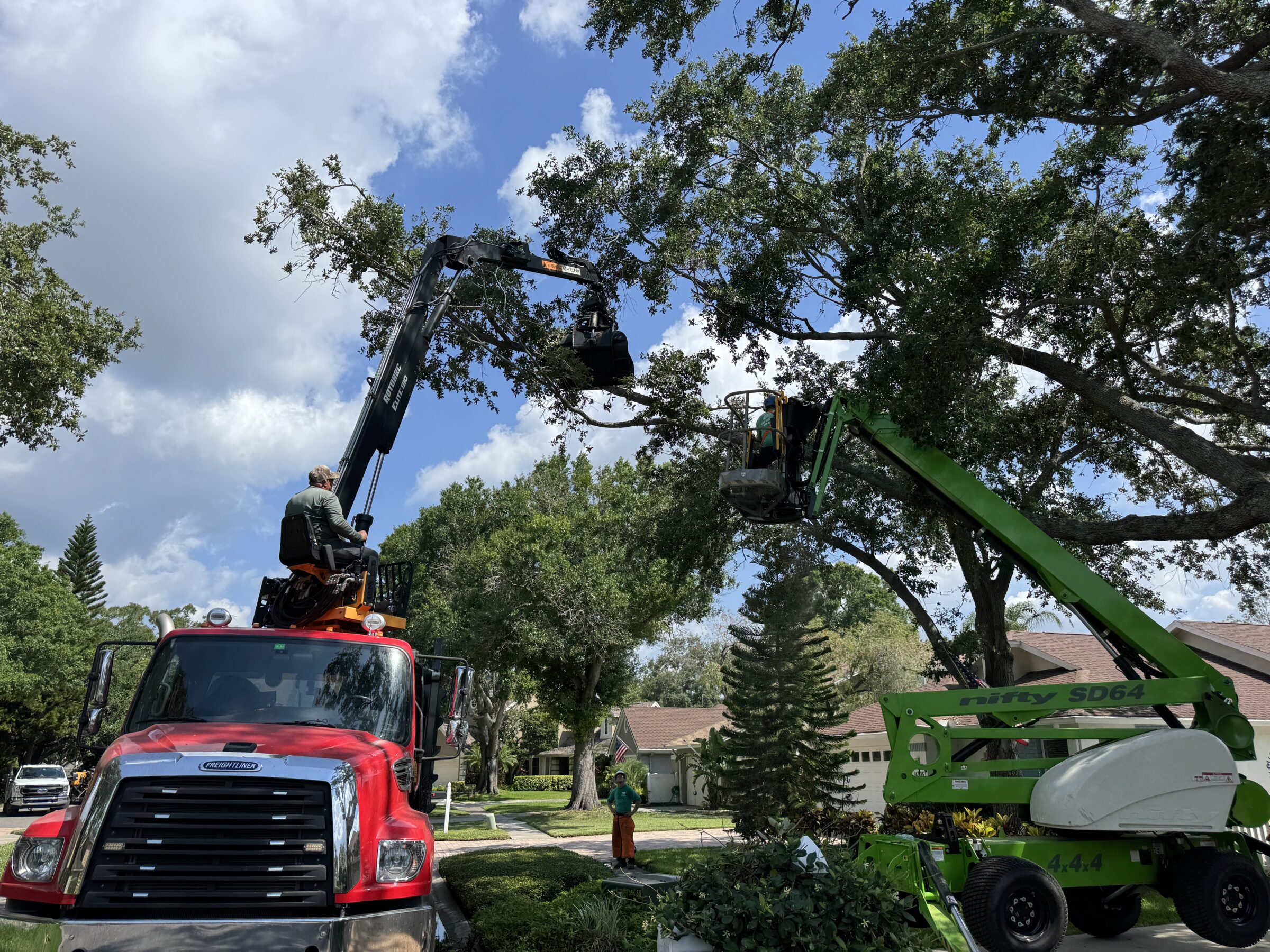
Your trees give your property structure, shade, and long-term value. To keep them strong, you need clear, science-backed guidance that helps you care for them with confidence. Before you make your first cut, it helps to understand how pruning works, when it is necessary, and what separates pruning from full removal.
You also want to avoid choices that lead to long-term damage. Many homeowners feel unsure about where to begin or how to know when a job is safe to tackle yourself. These tree pruning tips give you a dependable path forward so you can protect your trees and your home while making informed choices. Understanding the difference between trimming for health and removing a tree entirely, covered in our Tree Pruning vs Tree Removal: Guide for Homeowners, helps you make decisions that fit both your safety needs and your tree’s long-term wellbeing.
Independent Tree Service supports homeowners through honest insight, dependable expertise, and a science-based approach. You get guidance you can understand and no pressure to move forward with unnecessary work. With no outside contractors and industry-leading equipment, your trees stay in the hands of trained professionals who care about long-term health.
Essential Tools For Tree Pruning
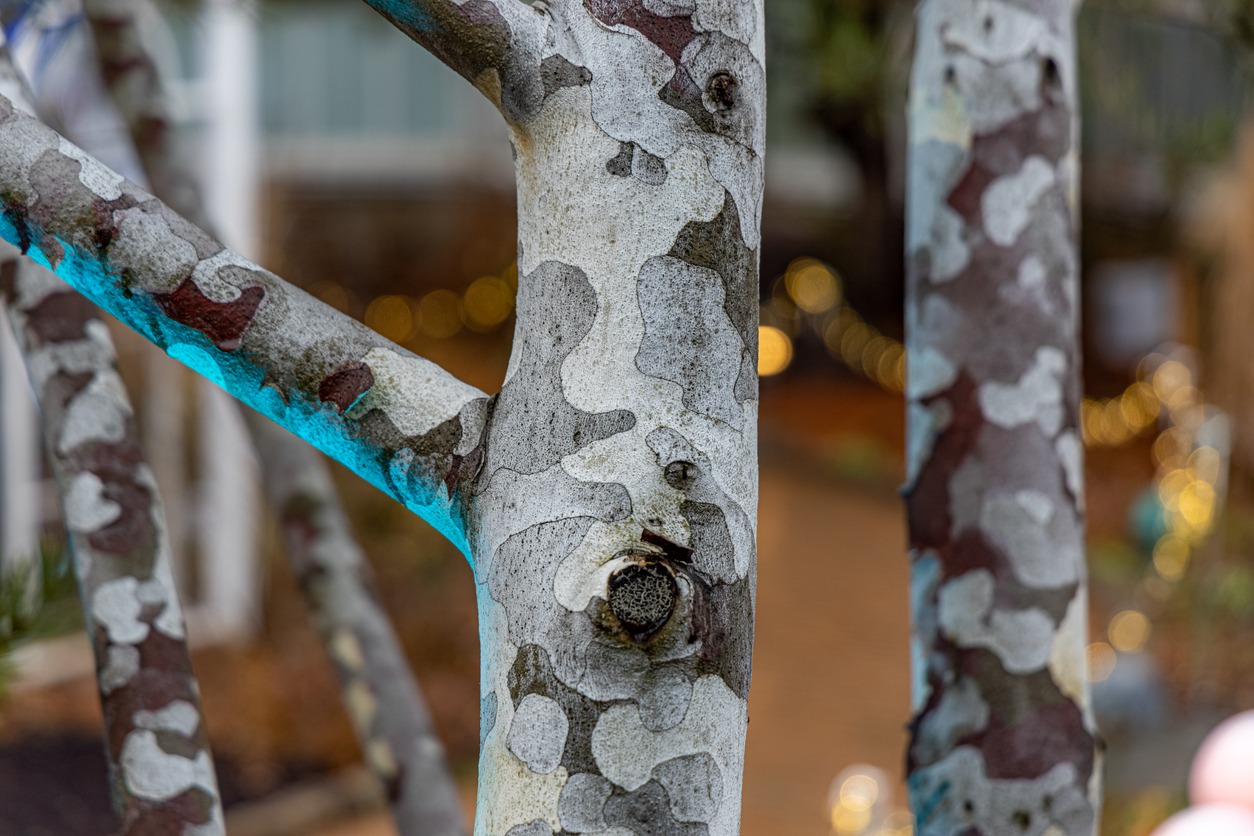
Before you begin, prepare the proper tools. Safe, effective work starts with equipment that gives you stability, clean cuts, and control. These tree pruning tips help you choose reliable tools that match the task.
Core Tree Pruning Tools
• Hand pruners — best for small twigs and branches under ¾ inch. Bypass loopers make a cleaner cut.
• Loppers — extend your reach and help you cut limbs up to 1–2 inches thick.
• Pruning saw — required when cuts go beyond the strength of loppers. A sharp blade reduces strain and tearing.
• Pole saw or pole pruner — lets you reach higher limbs without climbing.
• Safety gear — gloves, eye protection, long sleeves, and a stable ladder if needed.
These tree pruning tools make the job easier and safer. If you find yourself needing far more than this basic kit, you may be approaching a project better left to a trained arborist.
How To Prune A Tree Step-By-Step
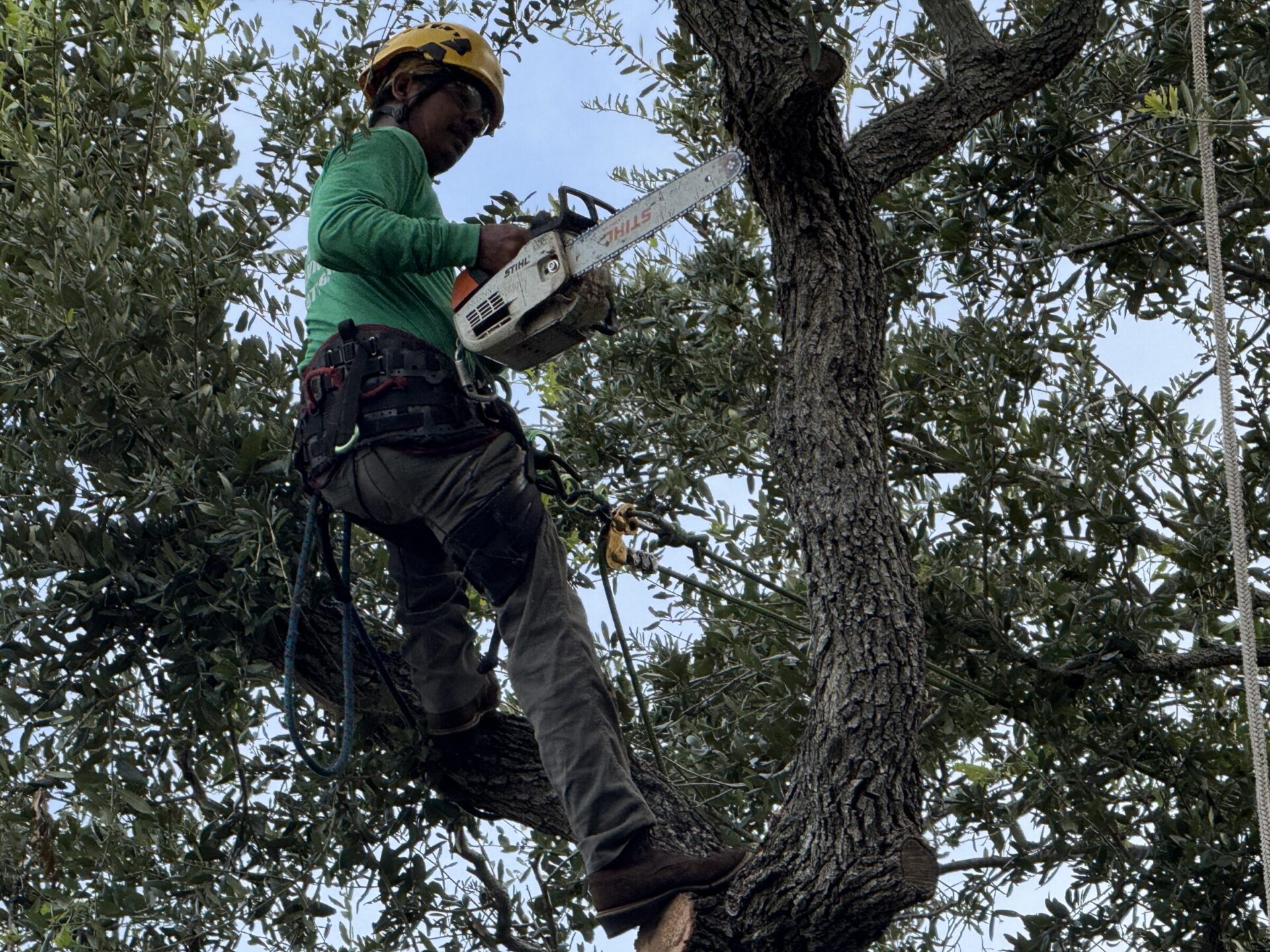
These tree pruning tips offer a methodical approach that keeps your tree stable and reduces long-term injury. Many homeowners rush this process, which leads to unnecessary stress on the tree. A calm, step-by-step plan prevents that.
1. Identify The Branches To Remove
Before cutting, walk around the tree and look for:
• Dead or broken branches
• Branches crossing or rubbing
• Limbs growing toward your home
• Branches blocking walkways or driveways
This helps you understand how to prune a tree with intention rather than guessing.
2. Start With The Smallest Cuts First
Begin by removing deadwood and damaged tips. This clears the view of the tree’s structure and makes it easier to select the right remaining cuts. Seek council from an ISA ceritfied arborist for your specific tree needs.
3. Locate The Branch Collar
The branch collar is the swollen area where the limb meets the trunk. The tissue there is rich in energy and contains a chemical that hinders decay, so cutting just outside this area helps close the wound naturally. Avoid flush cuts, this is an important guiding principle for pruning.
4. Make The Correct Angle Cut
Make an undercut a short distance from the trunk to prevent bark tearing, then a second cut farther out on the branch to remove its weight. Finally, cut at a slight angle just outside the collar. The angle prevents moisture buildup on the cut surface. In a perfect world, your cut would be perfectly circular.
5. Avoid Removing More Live growth Than Needed
Live branches feed the tree. Removing too many at once weakens it. Remember that your objective while pruning is removing the least tissue while still doing what you need to do.
How To Safely Prune A Large Branch
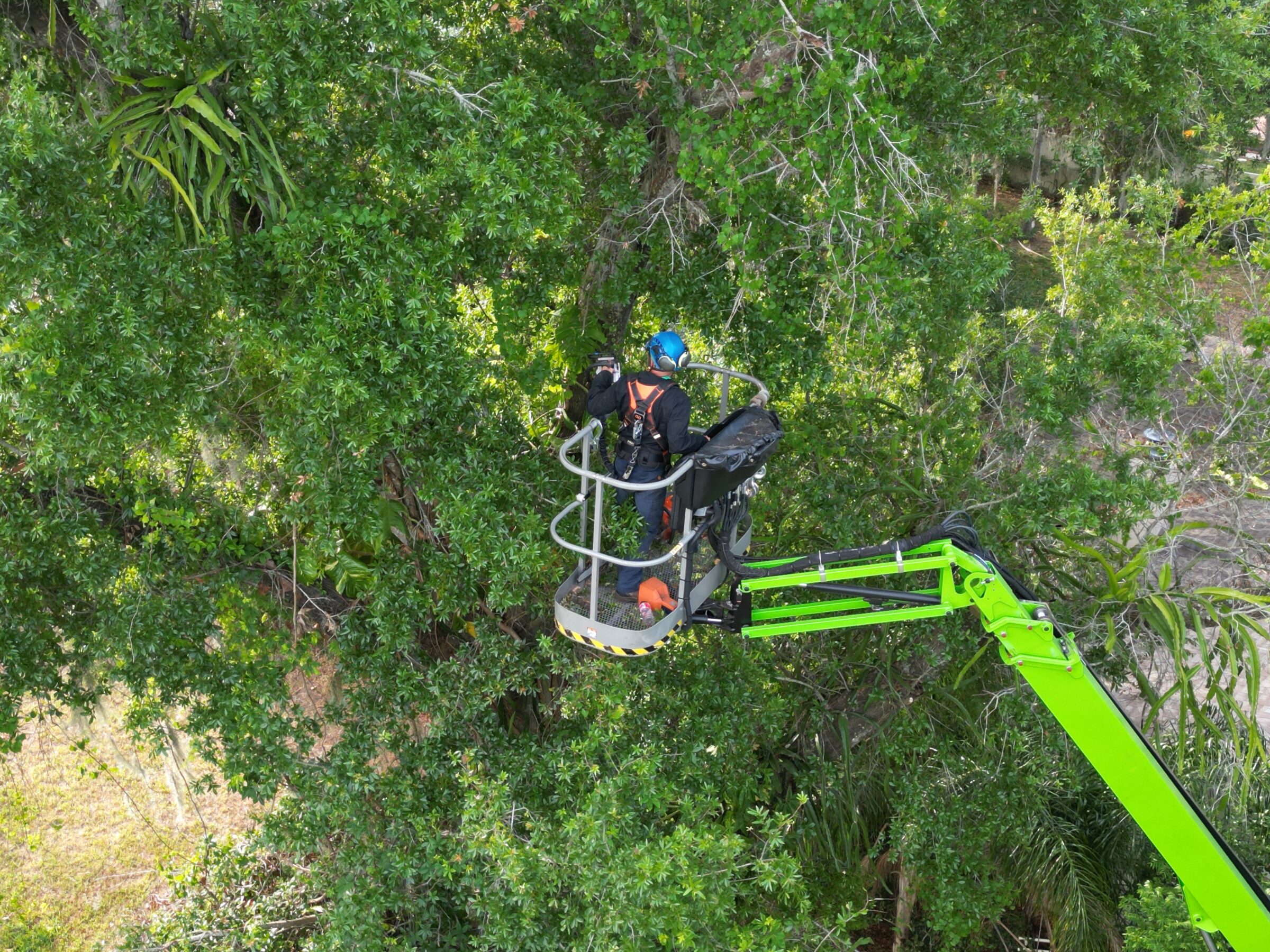
When dealing with thick limbs, the stakes are higher. Large cuts can easily tear bark, fall unpredictably, or create deep wounds that take years to recover from. These tree pruning tips help you handle the process safely.
Use The Three-Cut Method
If you are learning how to prune a large tree branch, rely on this method:
Step 1: Make The Undercut
Cut a small notch on the underside of the branch, 6–12 inches from the trunk. This prevents tearing and protects the trunk.
Step 2: Make The Top Cut
Move a few inches farther out and cut all the way through the limb. The branch will fall from this point, not from its base, protecting the branch collar and preventing a rip or tear.
Step 3: Make The Final Cut
Now cut just outside the branch collar to best help wound closure.
This is far better than making one large cut. A single big cut forces the weight of the branch to tear back into the trunk.
Why This Matters
Taking your time with large limbs limits impact on tree health, keeps bark intact, and ensures a good branch collar remains on the tree.
Common Tree Pruning Mistakes To Avoid
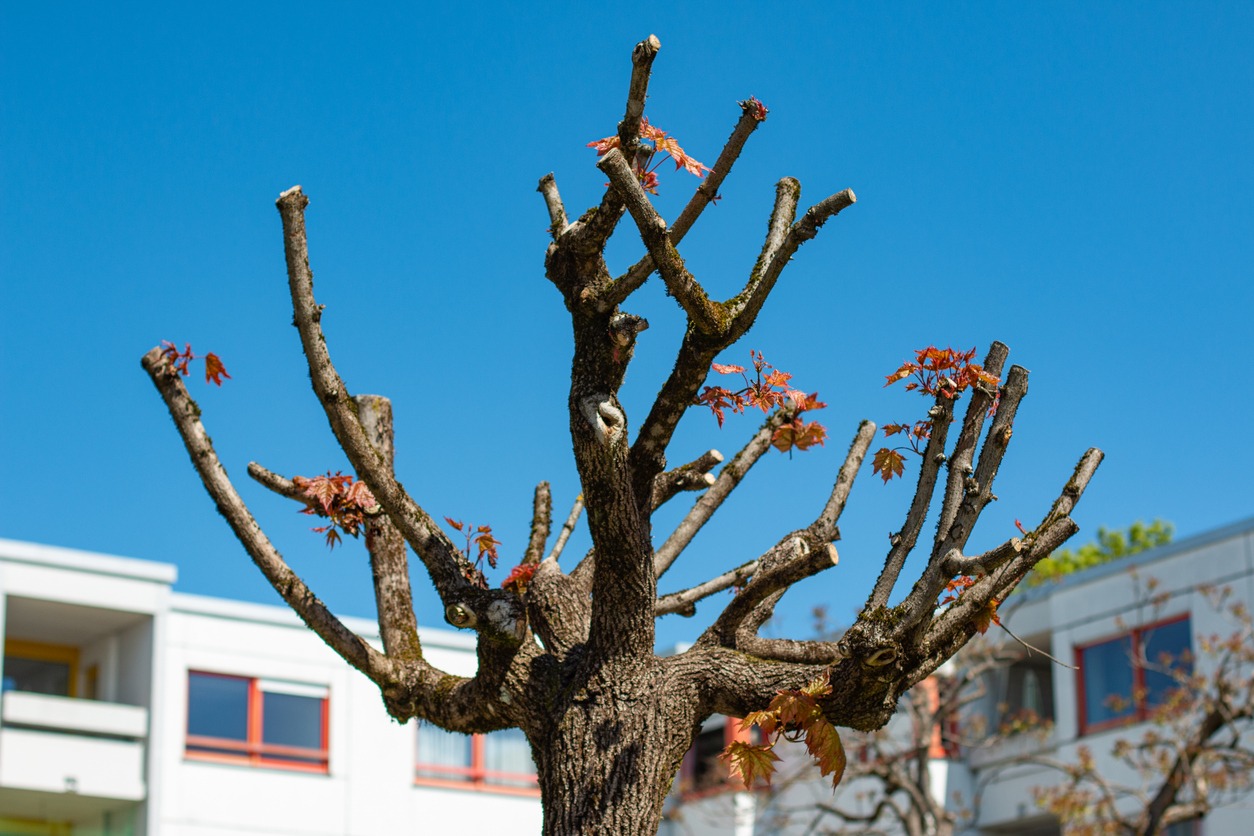
Even with the best intentions, homeowners often make errors that lead to weakened limbs, decay, or unnecessary stress. Understanding these tree pruning mistakes helps you avoid long-term damage.
Mistake 1: Topping The Tree
Topping removes the upper structure and leaves behind weak sprouts. These sprouts cannot support long-term growth. This is one of the most harmful tree pruning techniques, and it should be avoided.
Mistake 2: Removing Large Leaders
Your tree depends on strong leaders for stability. Removing them creates imbalance, invites breakage, and stresses new growth.
Mistake 3: Lionstailing
This happens when you strip all the inner branches and leave foliage only at the tips. It decreases branch strength and increases movement during storms. Trees need interior growth for support.
Homeowners often remove all sprouts to “clean up” the tree. But sprouts help stabilize limbs and maintain branch health. Balance, not elimination, is key.
Mistake 4: Cutting Too Close To The Trunk
Flush cuts destroy the branch collar, slow wound closure, and expose the tree to decay. Follow earlier tree pruning tips and always cut slightly outside the collar.
Mistake 5: Over-Pruning
Removing too much live growth at once weakens the tree. Stick to the general guideline of no more than 20–25% of the canopy in a single season. More than that creates long-term issues for the tree’s structure.
How To Prune Without Harming Your Tree
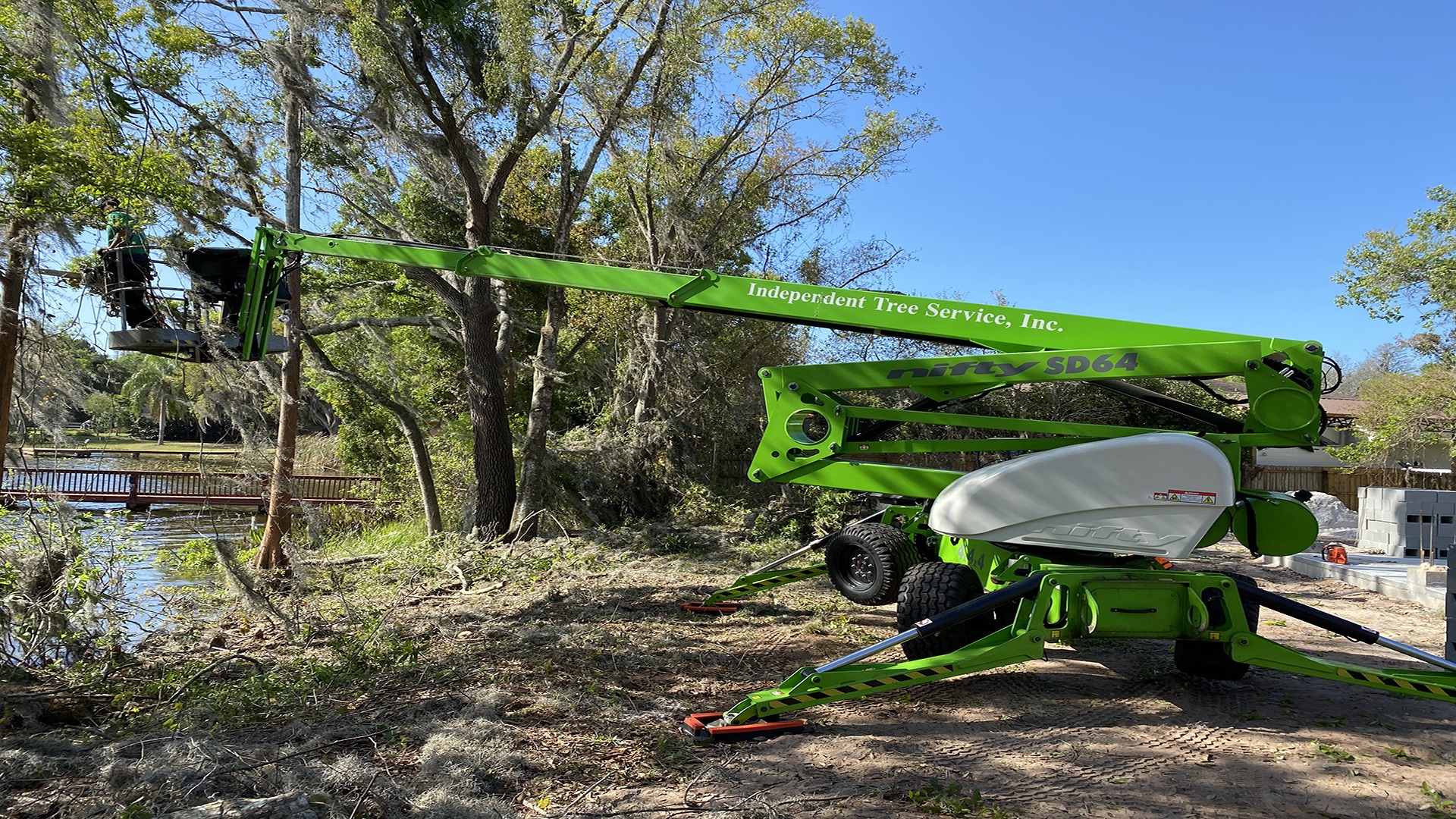
Healthy pruning starts with making thoughtful choices. These tree pruning tips keep your tree strong, balanced, and able to seal wounds naturally.
Maintain Natural Shape
Trees have growth patterns that support their weight. Avoid reshaping them too dramatically. Follow the natural lines of the tree as you prune.
Avoid Large Cuts When Possible
Smaller, strategic cuts are healthier. Large cuts take longer to close over, especially if you’re learning how to prune a tree as a homeowner.
Don’t Cut Into The Collar
A clean cut outside the collar helps the tree close over properly. Cutting too close invites decay.
Choose The Right Season
Late winter or early spring is ideal for most species. The tree is less stressed, and you can see the structure clearly.
Keep Every Cut Purposeful
Random pruning can weaken the tree. Make cuts that support long-term health, not quick appearance fixes.
By following these tree pruning tips, you reinforce the tree’s natural structure and help it remain strong.
When To Call A Professional For Pruning Help
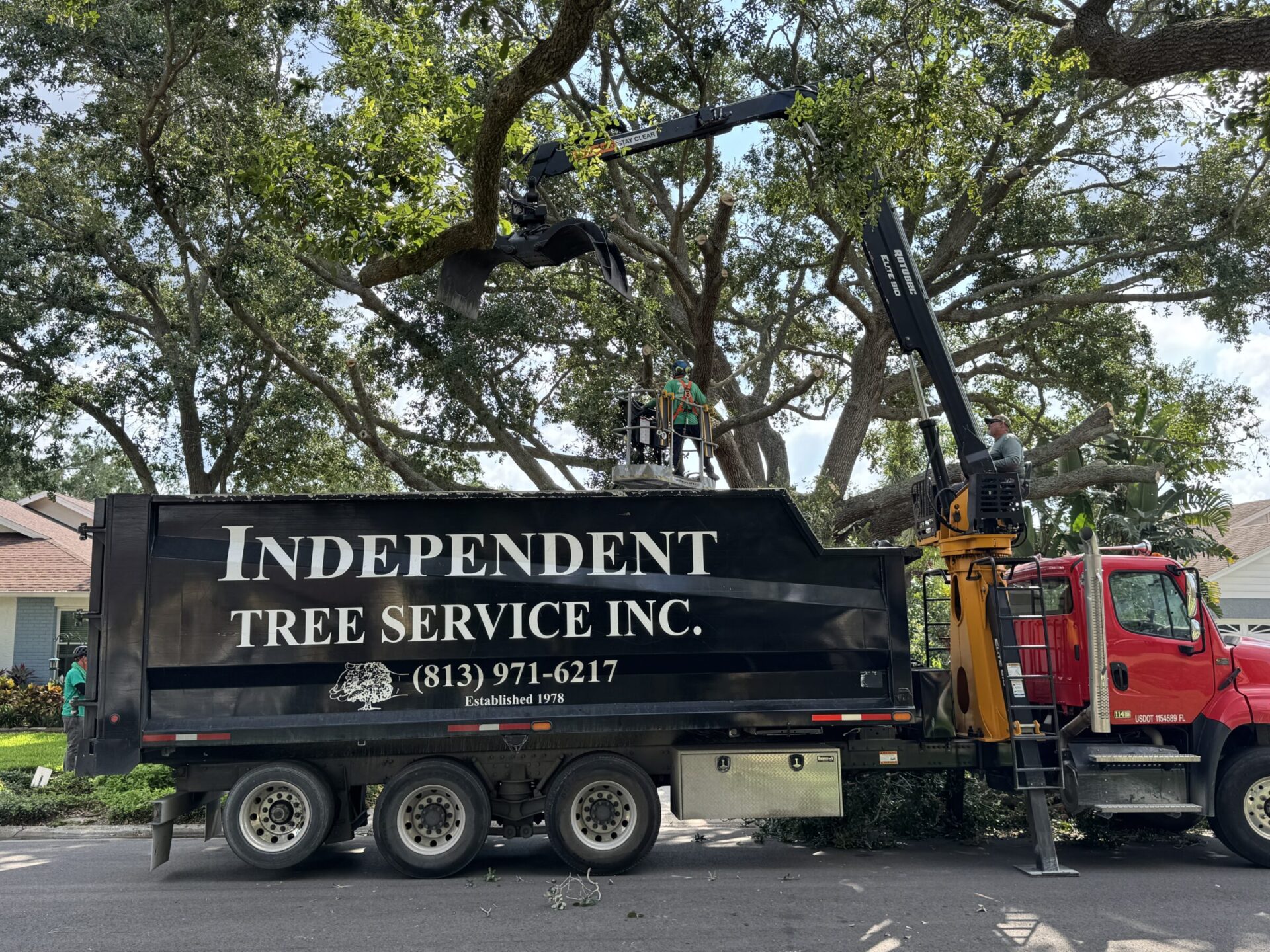
There are times when pruning becomes unsafe for homeowners. Cutting from heights, working near structures, or handling large limbs requires training, equipment, and experience. These tree pruning tips help you know when to call a certified arborist.
Situations That Need A Professional
• Tree is taller than your ladder
• Limbs are near power lines
• Tree shows signs of disease or instability
• You need to remove branches thicker than your wrist
• The tree leans toward your home
• You are unsure how to prune a large tree branch safely
A qualified arborist uses industry-leading equipment and follows science-based methods. This protects your safety and the tree’s structural integrity.
Independent Tree Service takes a no pressure approach. You get clear explanations of what your tree needs and why. Because no outside contractors enter the job, the team handling your tree is trained, accountable, and experienced. If the goal is long-term health, this difference matters.
Wrapping Up Your Homeowner’s Guide
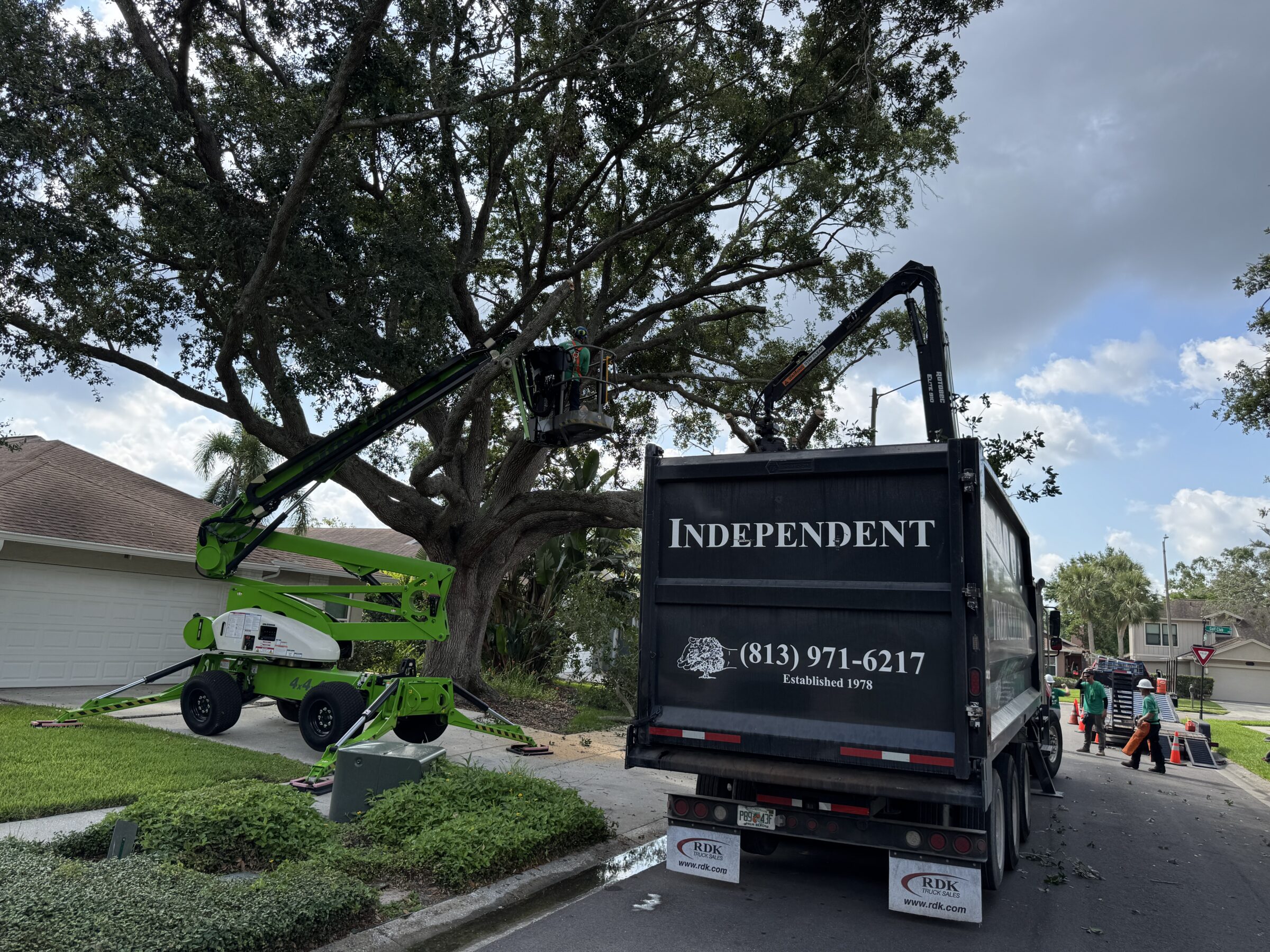
Tree care doesn’t need to feel overwhelming. With the right tree pruning tips, the correct tools, and a steady approach, you can support your tree’s long-term health. When a project becomes unsafe or too complex, working with a certified arborist keeps you protected while ensuring the tree is cared for using science-backed methods and dependable equipment.
If you want expert guidance, Independent Tree Service is ready to help you understand your options without pressure. Request a quote because your trees deserve thoughtful care rooted in experience and honesty.
Summary
This guide shares tree pruning tips to help you understand how to prune a tree, how to avoid tree pruning mistakes, and how to use the right tree pruning tools. You learn how to prune a large tree branch, how to support your tree’s structure, and how to trim a tree without irreparable damage. When work becomes risky, a ISA certified arborist ensures safe, science-based care.
Tags: