
Tree Pruning vs Tree Removal: Guide for Homeowners
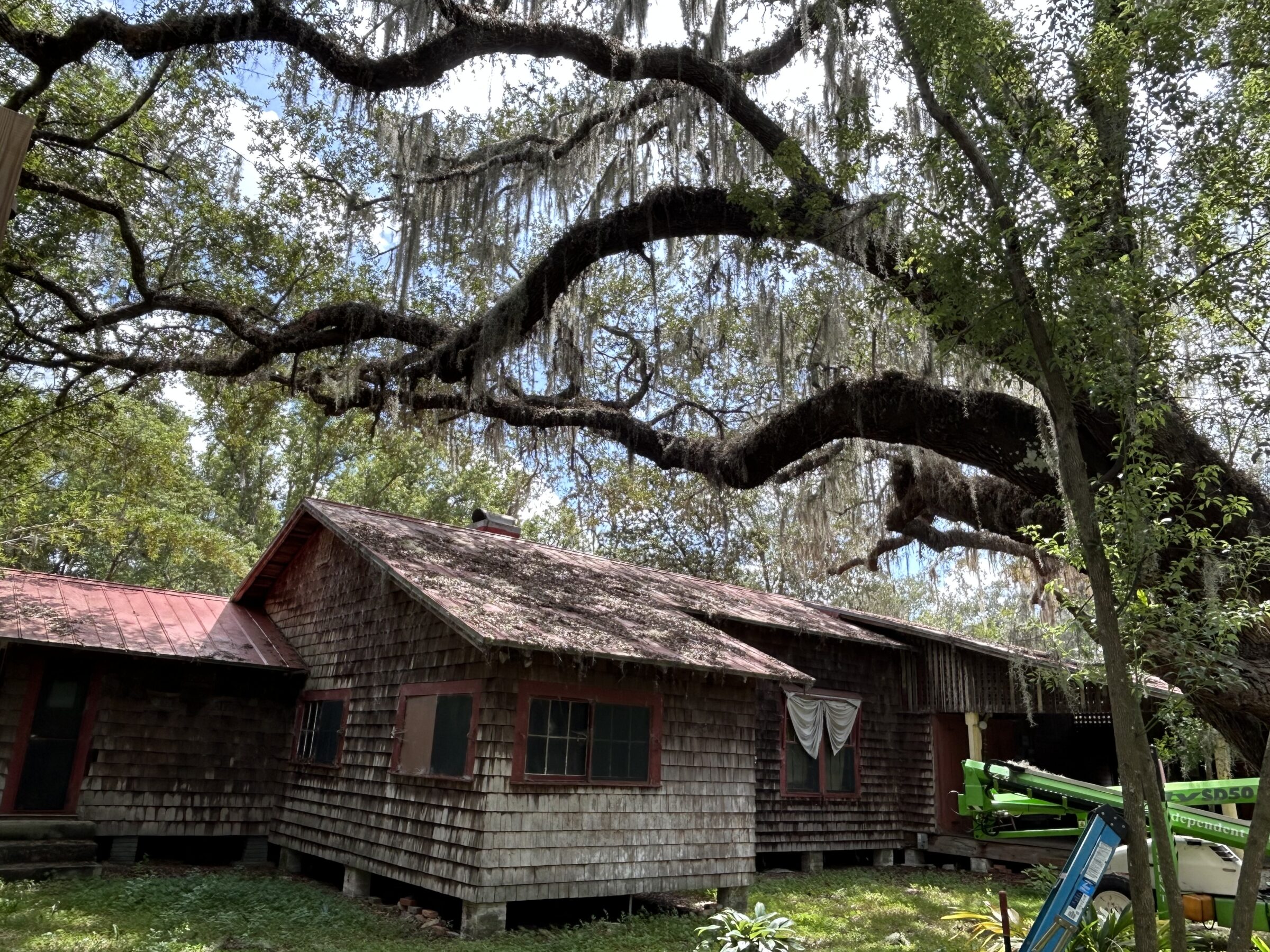
Have you ever stood in your yard wondering whether your tree simply needs trimming or whether it might actually need to be removed? It’s natural to question what’s safe, what’s healthy, and what protects your home. Many homeowners feel unsure where the line falls between routine care and a much bigger concern. That confusion often leads to hesitation, and hesitation leads to risk.
When you delay, the worry grows. Storms blow through. Weak branches creak. A tree starts to lean more than before. You notice leaves thinning or cracks forming along the trunk. Every small sign feels bigger when it’s happening next to your home. And the pressure becomes heavier when you think about the danger to your family, your roof, your vehicles, or the people who walk under that tree every day.
That’s why understanding tree pruning vs tree removal matters so much. The right approach helps your trees stay healthy. The right choice protects your property. The right plan gives you confidence, not guesswork. And the best solution is always informed by science, timing, and professional experience.
This guide explains everything you need to know about tree pruning vs tree removal so you can make smart, safe decisions for your trees and your home. You’ll learn when to prune trees, how often to maintain them, why tree pruning is important, how to tell if a tree is in trouble, the signs a tree needs to be removed, and more.
What’s The Difference Between Tree Pruning And Tree Removal?
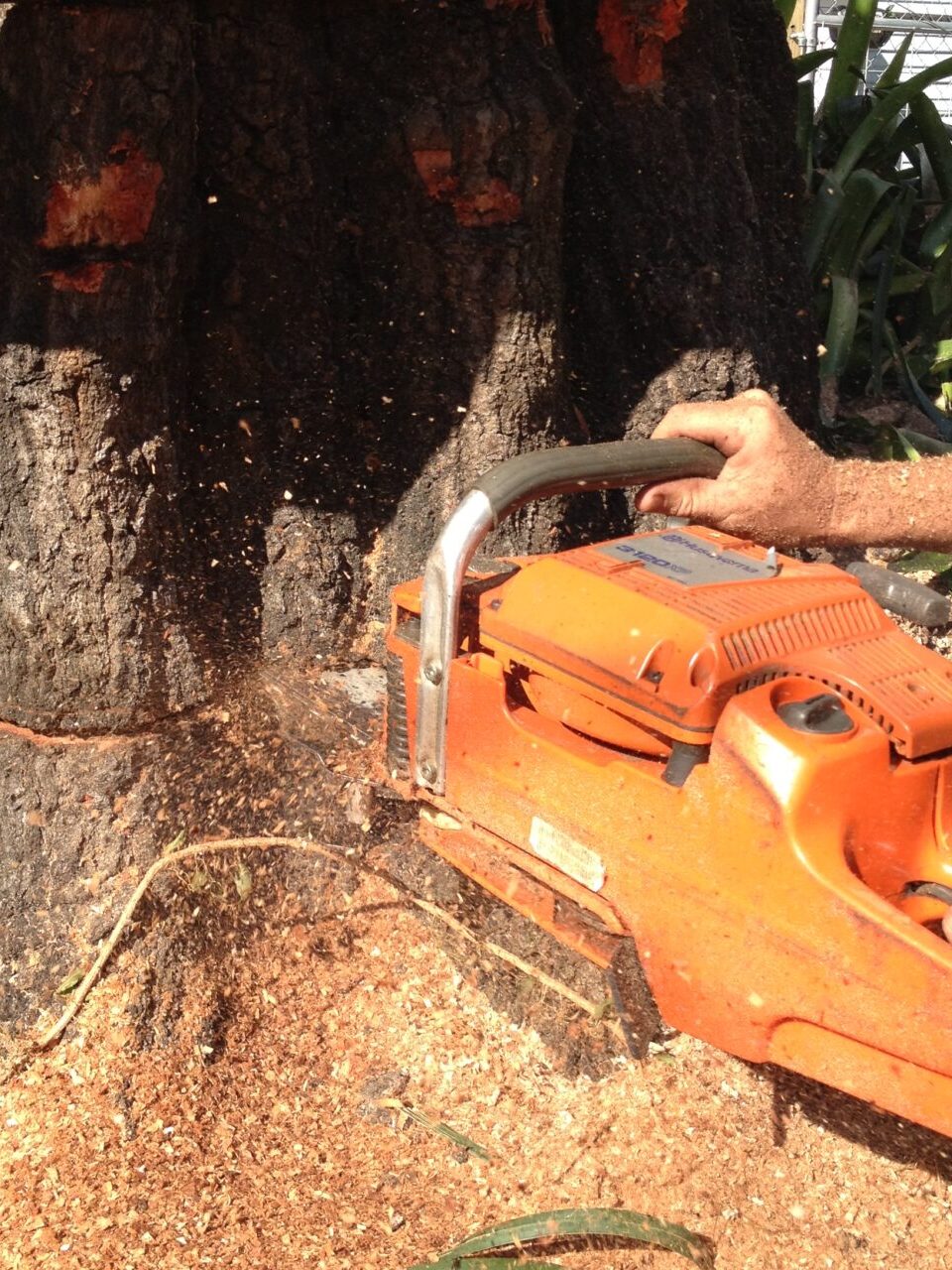
Understanding tree pruning vs tree removal helps you decide what supports the safety and health of your landscape. Although both involve changes to your tree, they serve very different purposes.
Tree Pruning
Tree pruning focuses on the selective removal or reduction of certain limbs to improve structure, appearance, and safety. When you prune, you guide the tree’s growth to strengthen the overall form. You may choose pruning when you want your trees to grow in a healthier direction. Many homeowners rely on pruning to keep limbs from touching their homes, improve airflow through the canopy, or to reduce the likelihood of failure to prevent property damage. The benefits of tree pruning include helping sunlight reach important areas, reducing the chances of branch failure, and supporting long-term sustainability.
A common reason you consider pruning is to maintain the tree’s natural shape or reduce stress from heavy or crossing limbs. Structural pruning in younger trees encourages a strong central leader, making them better prepared for storms. When you focus on guiding a young tree early, you reduce future hazards and keep the tree growing safely for years.
Tree Removal
Tree removal, on the other hand, is the complete removal of a tree. You consider removal when the tree presents an unacceptable risk or can no longer be preserved safely. Common removal objectives include eliminating a diseased or dying tree, reducing the risk of a tree falling, or preventing harm to people or property.
If you’re unsure about tree pruning vs tree removal, think about the overall condition of the tree. Removal becomes the practical option when the tree can’t be saved or poses risks that pruning cannot effectively mitigate. Signs include decay at the trunk, failure of major limbs, root instability, or irreversible disease. In these cases, keeping the tree in place puts your home, yard, and family at risk.
Homeowners appreciate that Independent Tree Service provides honest guidance during this decision-making process. The company’s non-pressure approach means you receive straightforward information instead of being pressured into unnecessary services. You receive explanations based on science, backed by experience and industry-leading equipment. There’s no guesswork in determining which option is right for you.
When reviewing tree pruning vs tree removal, you want clarity and unbiased facts. In many cases, an ISA Certified Arborist helps determine whether the tree can recover through proper pruning or whether removal is better to support your long-term safety. The goal is to protect your property and maintain the health of your landscape in a responsible manner.
When Should You Prune Your Trees?
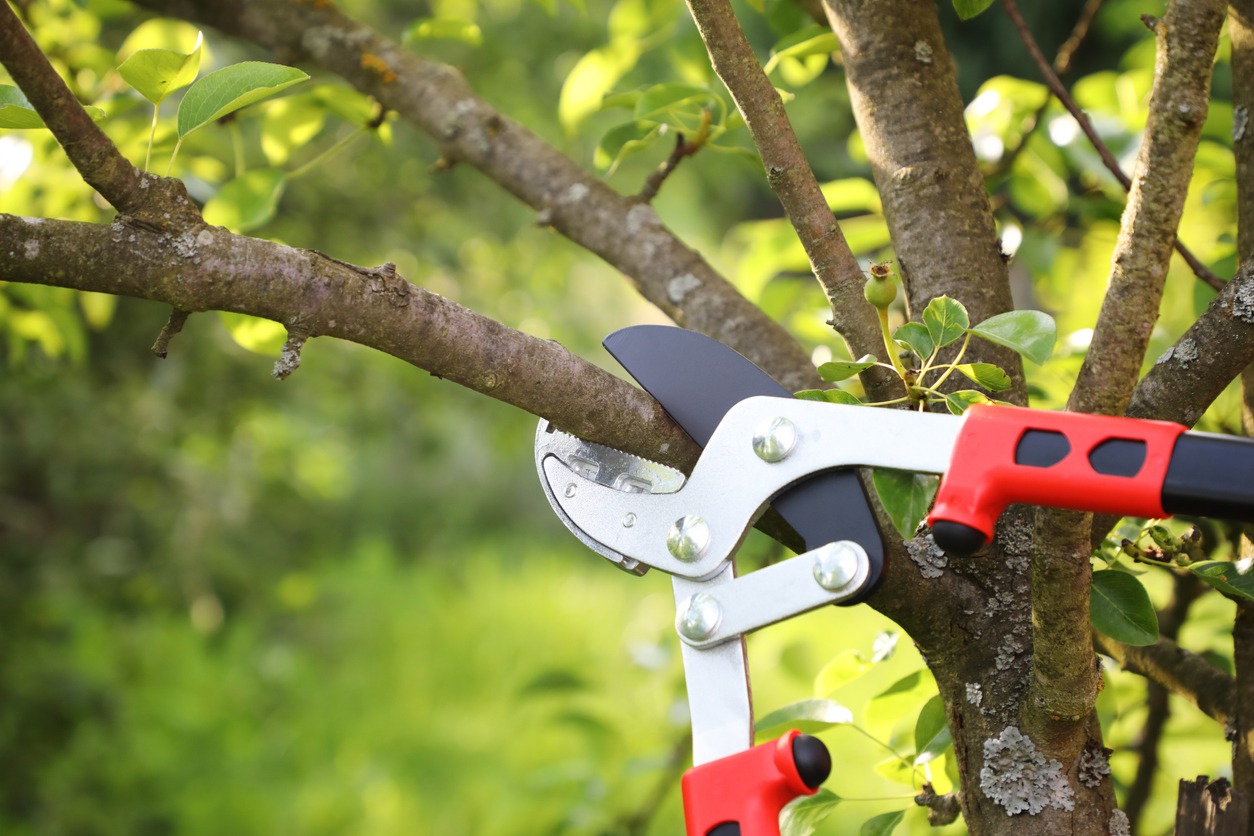
Knowing when to prune trees is one of the most important parts of responsible tree care. Proper timing affects how well your tree recovers, how safely it grows, and how effectively you avoid future problems that may force you to choose between tree pruning vs tree removal. When pruning is done during the right season, your tree experiences less stress, develops better structure, and remains more stable during storms.
Ideal Seasons For Pruning
The fall and winter months offer the best conditions for most residential trees. These dormant periods reduce stress on the tree and allow trained arborists to see the structure clearly. Without the distraction of leaves, they can easily identify:
- Areas of weak attachment
- Overextended limbs
- Crossing or rubbing branches
- Hidden cracks or developing defects
Trees also grow a significant amount of roots in fall and winter months. This makes recovery easier because the tree uses stored energy below the surface to support wound closure. When cuts are made during this time, your tree begins spring with renewed strength.
Structural Advantages For Young Trees
Younger trees benefit greatly from timely structural pruning. Early guidance allows the tree to develop a strong central leader and balanced branch spacing. Without this early work, young trees may develop poor structure that leads to future hazards. Strengthening the framework early can prevent damage, reduce failure risks, and minimize the need for removal later in life.
Seasonal Visibility For Mature Trees
Mature trees carry heavier limbs and more complex branch networks. Pruning these trees in late fall or winter makes it easier to examine the canopy’s weight distribution. With fewer leaves, arborists can identify:
- Weak unions
- Heavy overhangs
- Cracks hidden during summer
- Areas where wind load may cause failure
This seasonal clarity helps ensure recommendations stay accurate, honest, and based on science. Deciding between tree pruning vs tree removal becomes much easier when the structure is fully visible.
Advantages Of Dormant-Season Pruning
Dormant pruning is beneficial because it:
- Reduces sap flow, lowering stress
- Helps wounds close efficiently
- Minimizes the spread of insects and pathogens
- Prepares the tree for spring growth
- Limits the weight of branches before seasonal storms
These combined advantages lead to long-term stability and healthier development.
When Spring Or Summer Pruning Is Necessary
Although dormant-season pruning is ideal, some situations require attention during warmer months. You may need pruning in spring or summer if:
- A storm breaks a major limb
- Branches obstruct walkways, driveways, or sightlines
- A limb rubs against your roof
- You notice diseased or deadwood spreading
- Human safety becomes an immediate concern
Warm-season pruning should be targeted and minimal, but it still helps reduce the likelihood of dangerous situations when immediate action is needed.
Helping Homeowners Stay Ahead Of Problems
Pruning at the right time is a preventative step. It reduces the risk of emergency failures, improves health, and keeps your tree structurally sound year-round. When you understand when to prune trees, you can stay ahead of issues that would otherwise compromise your tree’s safety or health in the future.
How Often Should You Prune For Healthy Growth?
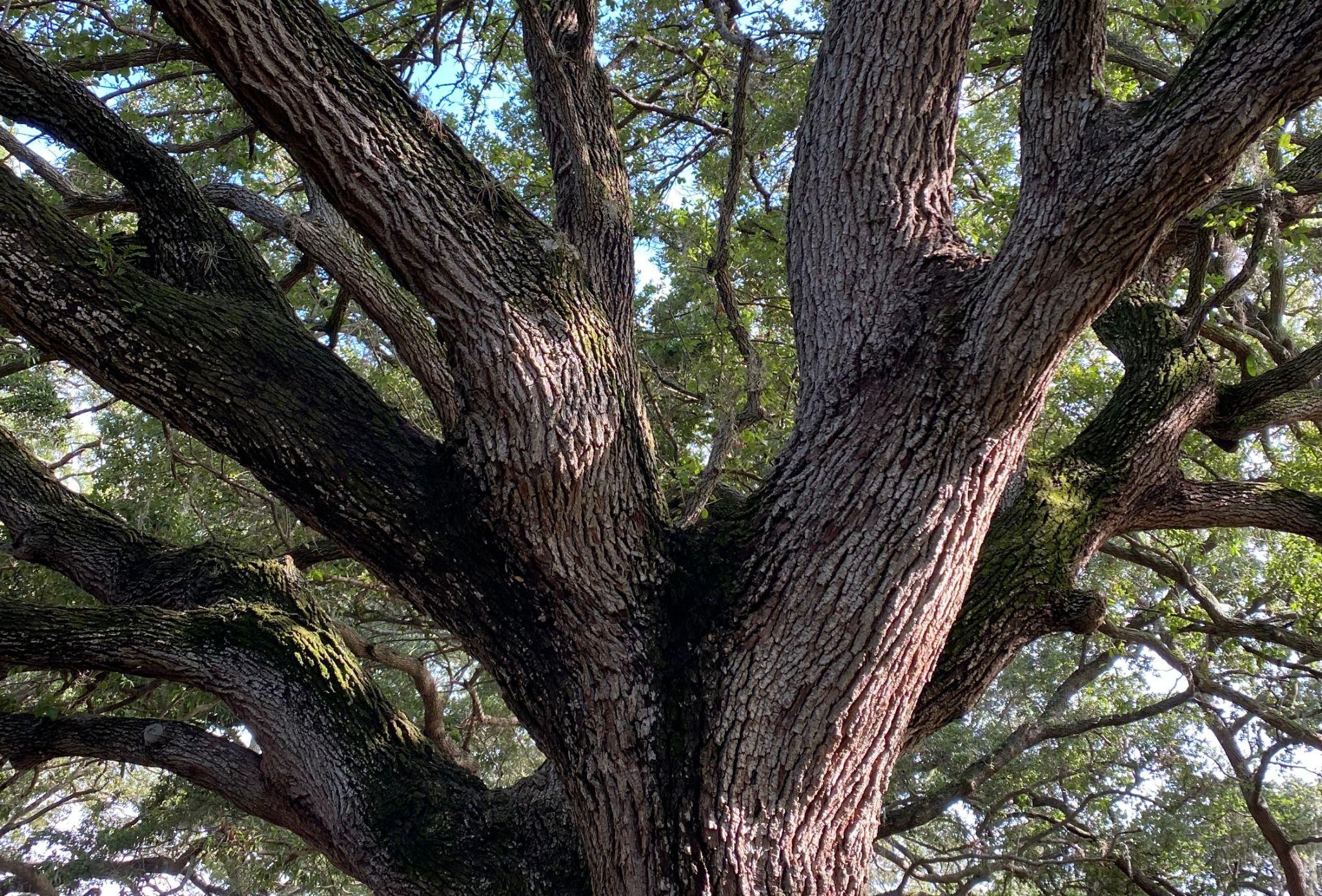
Many homeowners wonder, how often should you prune a tree? The answer varies depending on species, tree age, location, and your personal goals.
You may prune a tree every one to three years when it is young. Developing a strong structure early reduces the need for corrective pruning later. Mature trees often require evaluation every few years to determine whether adjustments are needed for clearance, balance, or safety.
The goals you set help determine the ideal pruning frequency. You may want branches kept away from your home, improved visibility, or reduced risk during storms. You may also want to preserve your tree’s natural form while keeping weak limbs under control. Every objective you have influences how often your tree should be pruned.
Tree pruning reduces hazards by removing dead or failing limbs. It also encourages better airflow through the canopy, making your tree more resilient. Regular pruning sessions allow ISA Certified Arborists to check for decay, disease, or storm damage. Maintaining this routine helps you avoid larger issues that might eventually lead to removal.
Here are practical considerations to help you decide when pruning should occur:
- The tree’s health and vigor
- Storm exposure
- Proximity to structures
- Branch density
- Past growth patterns
- Signs of stress or decline
Pruning also limits liability. Branches that hang over sidewalks, driveways, or patios present safety concerns. Addressing these issues regularly keeps your yard safer and more predictable.
When thinking through tree pruning vs tree removal, keep in mind that consistent pruning reduces the likelihood of structural failure. Proper care can extend a tree’s lifespand and reduces the likelihood of tree emeregencies. An ISA Certified Arborist can recommend a plan that balances tree health with your personal preferences.
The ultimate goal is simple: prune just enough to meet your needs without removing more than necessary. By following this philosophy, you protect your tree and your property. And when wondering how often should you prune a tree, consider using professional guidance to set the right schedule for each unique tree in your yard.
Why Tree Pruning Is Important For Your Trees
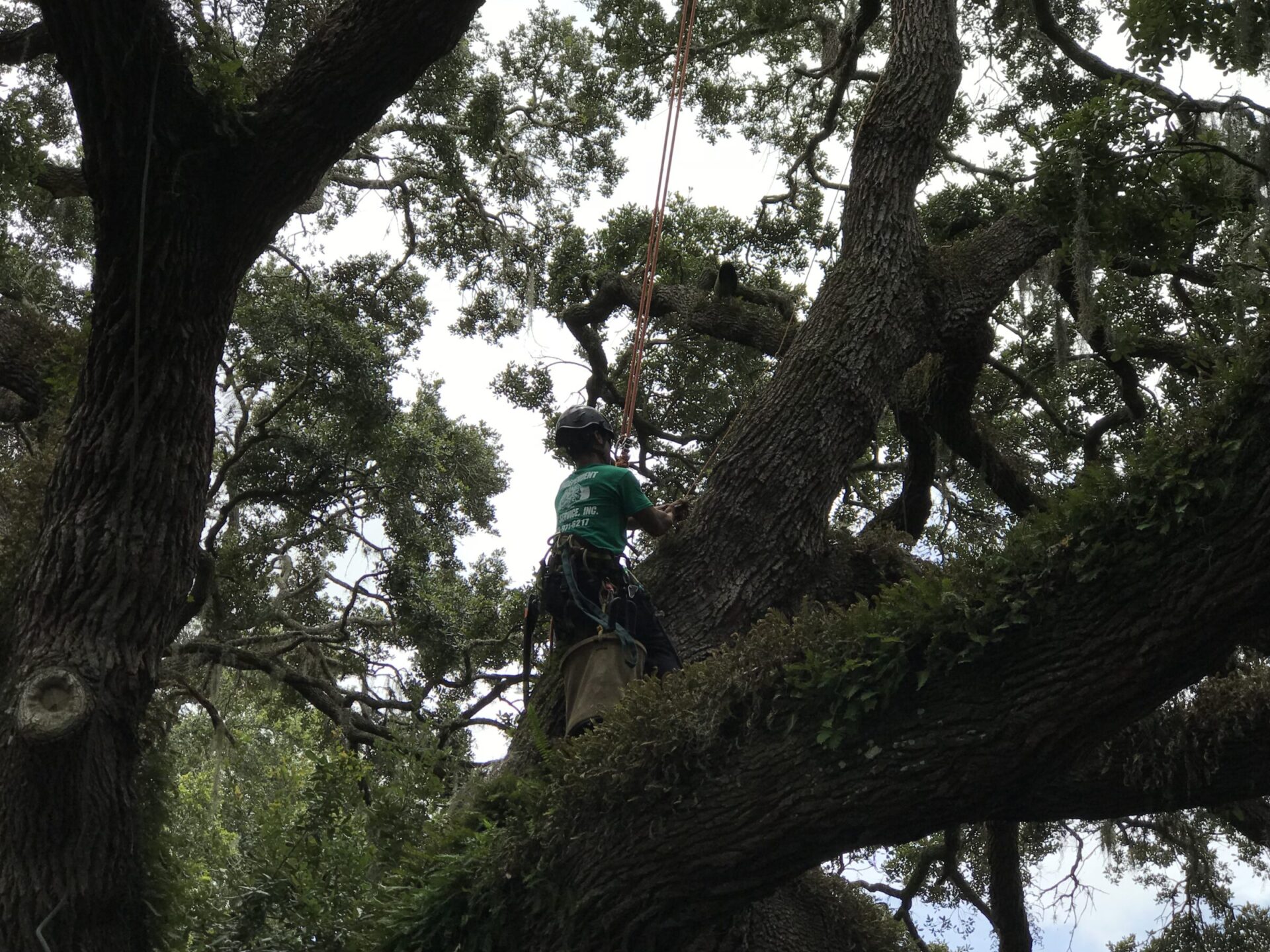
Pruning plays a direct role in how safely, steadily, and successfully your trees grow. It is not a cosmetic extra or an optional chore, it is a foundational part of long-term tree health and property safety. When pruning is done properly and at the right time, your tree becomes stronger, more resilient, and better prepared to withstand storms, seasonal changes, and structural stress. Understanding these advantages also helps you compare tree pruning with tree removal, especially when you want to preserve a tree rather than remove it. The essential benefits of tree pruning affect not only the appearance of your landscape but also the overall well-being of the tree itself.
Improving Health And Longevity
Healthy growth depends on removing dead, dying, diseased, or structurally weak branches. When your tree no longer wastes energy supporting failing limbs, it can redirect its resources toward building stronger cells, healthier foliage, and a more stable framework. Pruning encourages new growth, reduces the spread of disease, and increases sunlight penetration throughout the canopy. Better airflow lowers moisture buildup, lowering the risk of fungal problems and pest activity.
Trees in a suburban environment are pruned consistently throughout their life almost always live longer than those left unmanaged. Regular pruning also prevents small problems from becoming large failures that may eventually lead you to choose tree pruning vs tree removal as the stakes get higher.
Reducing Safety Hazards Around Your Home
Safety is one of the primary reasons homeowners choose to prune. Overextended limbs put stress on the trunk or branch union. Weak branches can fall without warning. Crowded canopies create leverage points where wind can twist and snap limbs. Any of these issues can damage your roof, vehicles, fencing, outdoor structures, or people using the yard.
Strategic pruning reduces the weight of heavy limbs, balances the canopy, and lowers the risk of sudden breakage. It also keeps clearance away from roofs, chimneys, driveways, and walkways. Pruning early and often protects your family and reduces emergency calls during storms.
Supporting Structural Strength
Good structure begins with strong branch unions, a central leader, and evenly spaced limbs. Pruning encourages these qualities by guiding the tree’s natural form. By removing competing branches and correcting poor growth patterns, pruning helps establish a stable framework that can withstand wind, ice, and seasonal stresses.
This structural reinforcement is especially important for younger trees. Early intervention reduces the need for correction later in life and prevents issues that could lead to premature removal.
Enhancing Appearance And Property Value
A well-pruned tree is naturally more attractive. Balanced canopies, open branch structure, and cleaner lines improve the look of your entire landscape. Your yard appears intentional, healthy, and well-maintained. Overgrown trees can make a property feel unkempt; properly cared-for trees create a sense of pride and lasting value.
Curb appeal also increases when trees are shaped thoughtfully and safely. When you invest in pruning, you support both beauty and function.
Encouraging Predictable, Safe Growth Patterns
Pruning helps your tree grow in a direction that benefits both its health and your safety. You avoid the unpredictable, heavy, or hazardous growth patterns that often lead to sudden failures. This reduces long-term liability and gives you more confidence about the trees surrounding your home.
How To Tell If A Tree Is Dying Or Unhealthy
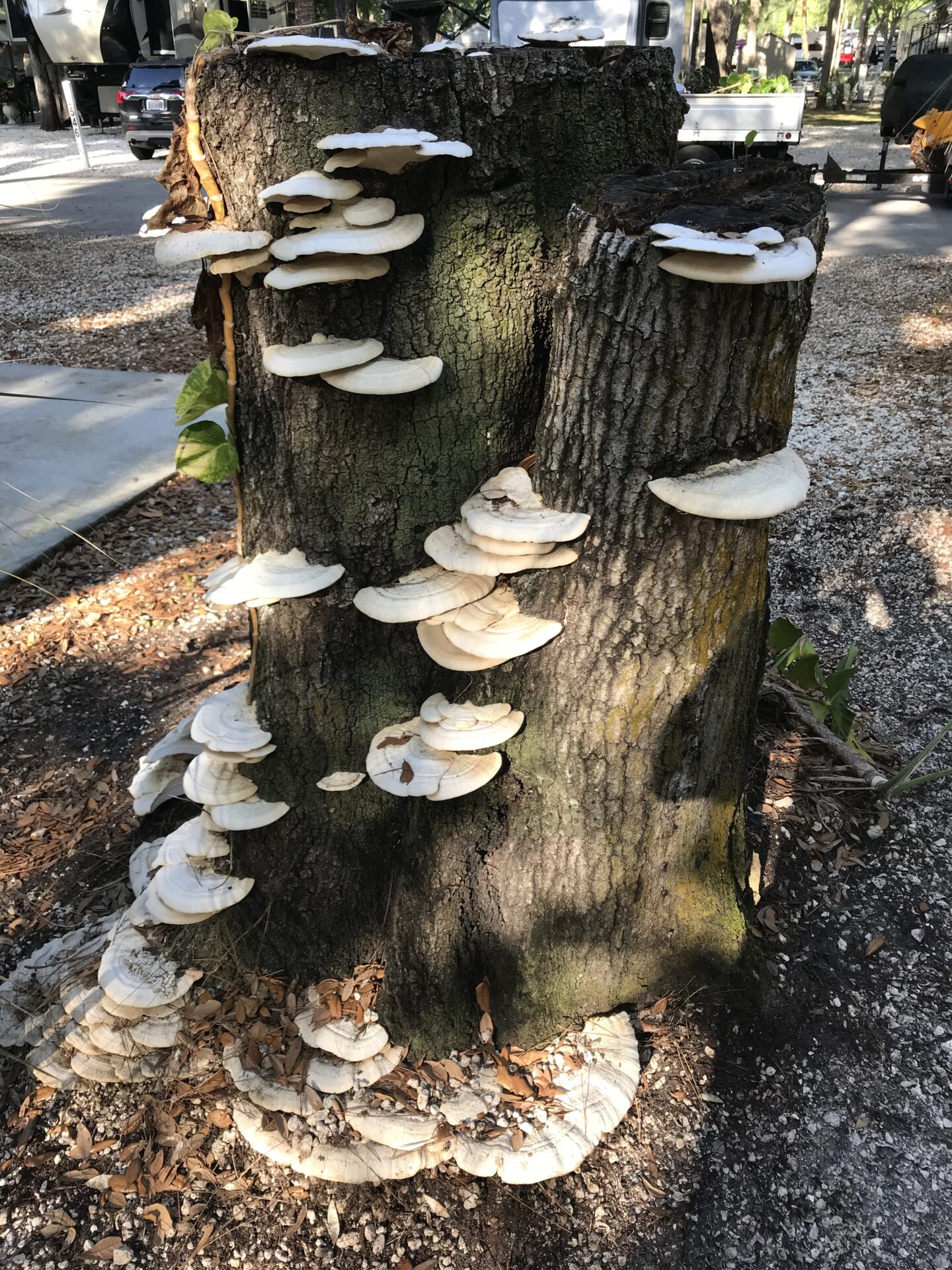
Recognizing early signs of decline helps you make informed decisions about whether a tree can be saved through pruning or requires a different approach.
Healthy trees show consistent growth, strong branch attachment, vibrant leaves, and solid bark. When these conditions change, your tree may be signaling distress. Early detection prevents hazards and allows you to explore options beyond removal.
Look for visible symptoms to evaluate decline:
- Thinning leaves or bare branches
- Bark peeling or falling off
- Mushrooms or fungal growth near the base
- Large cracks in the trunk
- Brittle or hollow branches
- Deadwood scattered in the canopy
- Discolored leaves or unusual leaf drop
Structural symptoms also reveal deeper problems. Leaning may indicate root failure. Soil movement around the base can show that the tree is no longer stable. Cavities or hollow areas in the trunk weaken the internal structure.
Understanding how to tell if a tree is dying helps you act before it becomes a safety risk. Some trees can recover with targeted pruning, improved care, or treatment. But when severe decay or root damage is present, the comparison of tree pruning vs tree removal becomes more urgent.
Storm damage also contributes to tree decline. When major limbs break, the remaining structure may not support long-term growth. Watching the tree closely over time helps determine whether it can stabilize or whether removal may eventually be necessary.
When you notice any of these signs, reach out to an ISA Certified Arborist. Professional evaluation offers clarity and helps you choose the safest, most effective approach for your trees and your property.
Signs That Your Tree Needs To Be Removed
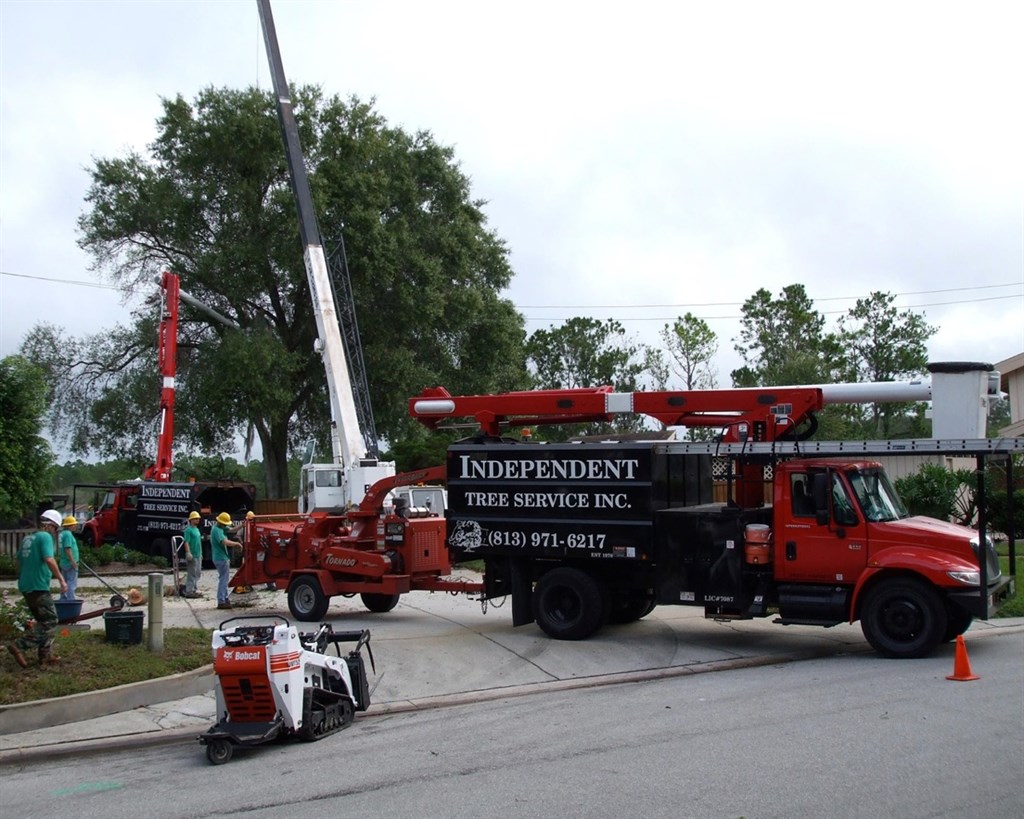
Understanding the scenarios where removal becomes necessary helps you avoid unexpected hazards. Even well-maintained trees can decline due to age, disease, storms, drought, flooding, or structural failure. While pruning often resolves minor issues, some situations require more decisive action. Recognizing these signs helps you make responsible choices for your home and safety.
A tree that poses an immediate risk should never be ignored. When large branches fail regularly or lean toward a home, driveway, or play area, the tree may be compromising its stability. Leaning becomes more serious if the lean increases over time or if soil shifts around the base. These changes often indicate root failure, which may not be corrected through pruning alone.
Disease is another major factor. When illness spreads beyond isolated limbs, the internal structure weakens. Fungi growing along the trunk or near the base often signal internal decay. If you notice soft or spongy wood, significant bark loss, or repeated branch die-off, these may be strong signs a tree needs to be removed.
Storm damage frequently influences the choice between tree pruning vs tree removal. If the tree loses more than half of its canopy in a storm, recovery is unlikely. Remaining branches may not support stable growth, making further breakage probable. A tree with a split trunk or severe cracks is especially dangerous, as trunk failure can happen unexpectedly.
Other signs include:
- Hollow or compromised trunk structure
- Major roots that are dead, cut, or lifted
- Repeated pest infestation
- Branches dropping without wind or weather events
- A canopy that fails to leaf out in spring
- Trees growing into utility lines
- Trees too close to foundations or septic areas
Dead trees frequently pose the highest risk and should be considered for removal promptly. They become brittle, unstable, and unpredictable. Even small dead trees can cause significant damage if they fall.
If you’re unsure, an ISA Certified Arborist can evaluate the tree’s condition and explain the reasoning clearly. The goal is to determine whether the tree can remain safely or whether removal protects your property and loved ones.
Independent Tree Service provides honest evaluations rooted in science, experience, and safety. You receive transparent information without pressure. If removal is necessary, our trained team, not outside contractors, handles the entire process using dependable equipment and careful planning.
Knowing the signs a tree needs to be removed helps you act responsibly, protect your home, and avoid unexpected emergencies.
What Should You Know About DIY vs Professional Tree Removal?
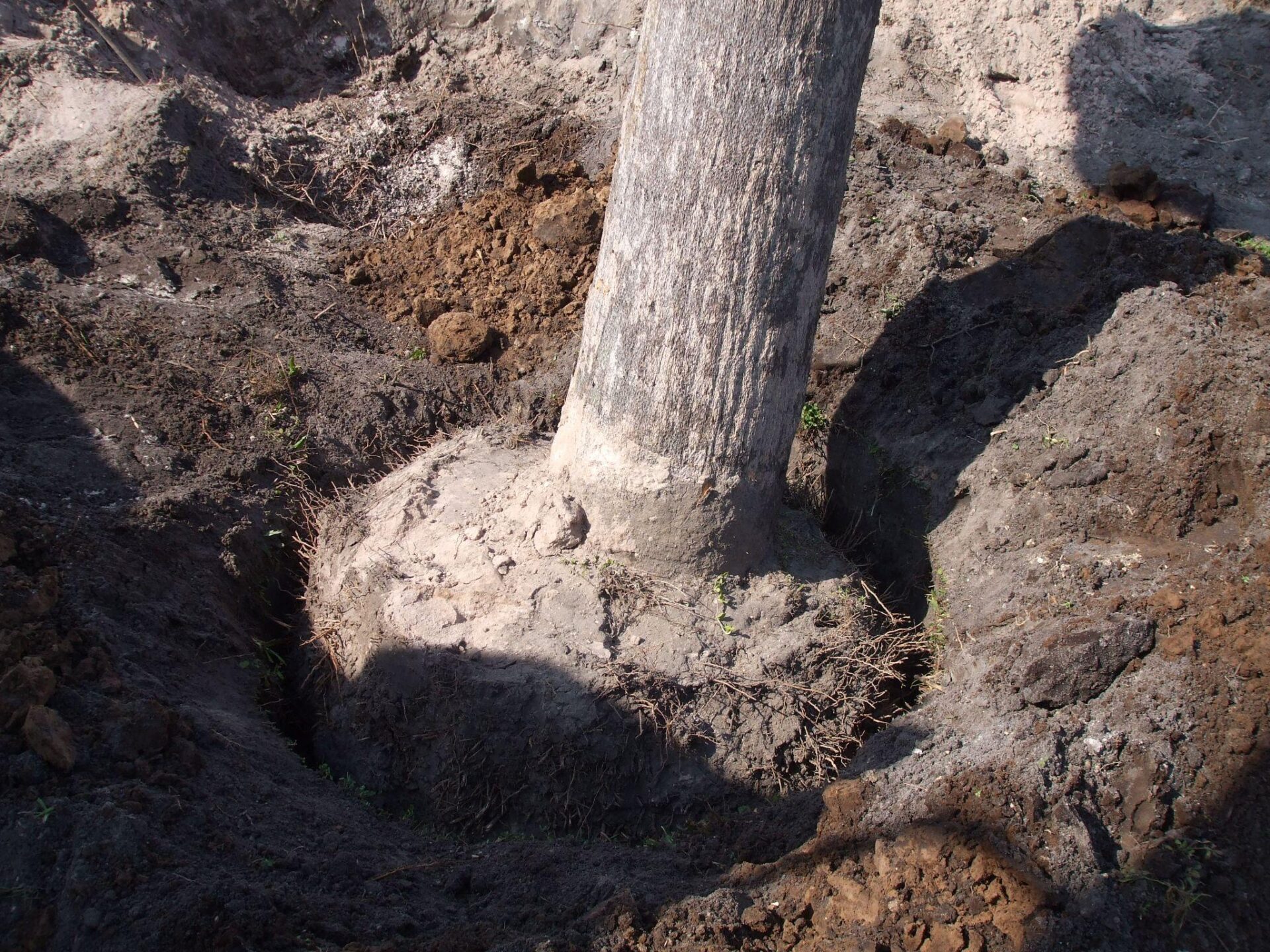
Choosing between DIY vs professional tree removal is a major decision. Some homeowners feel confident handling small tasks on their own, but removing a tree requires skill, planning, and physical capability. Understanding these differences protects you from injury, property damage, and unexpected complications.
What DIY Removal Requires
DIY tree removal demands careful preparation. You must consider how the tree will fall, where debris will land, and how you will remove heavy branches safely. You need access to saws, ladders, rigging equipment, safety gear, and a reliable plan for cleanup. You must also check whether your municipality requires a permit. Many homeowners begin the process only to realize they need a professional to finish the job.
Why Professional Removal Is Safer
Professional removal teams use advanced equipment, trained employees, and protective measures that minimize risk. Workers’ compensation and liability coverage protect your property if anything unexpected occurs. We handle removal using industry-leading tools and a team of trained employees, never outside contractors. You get consistent quality, dependable service, and clear communication throughout the process.
Your Next Step In Tree Care
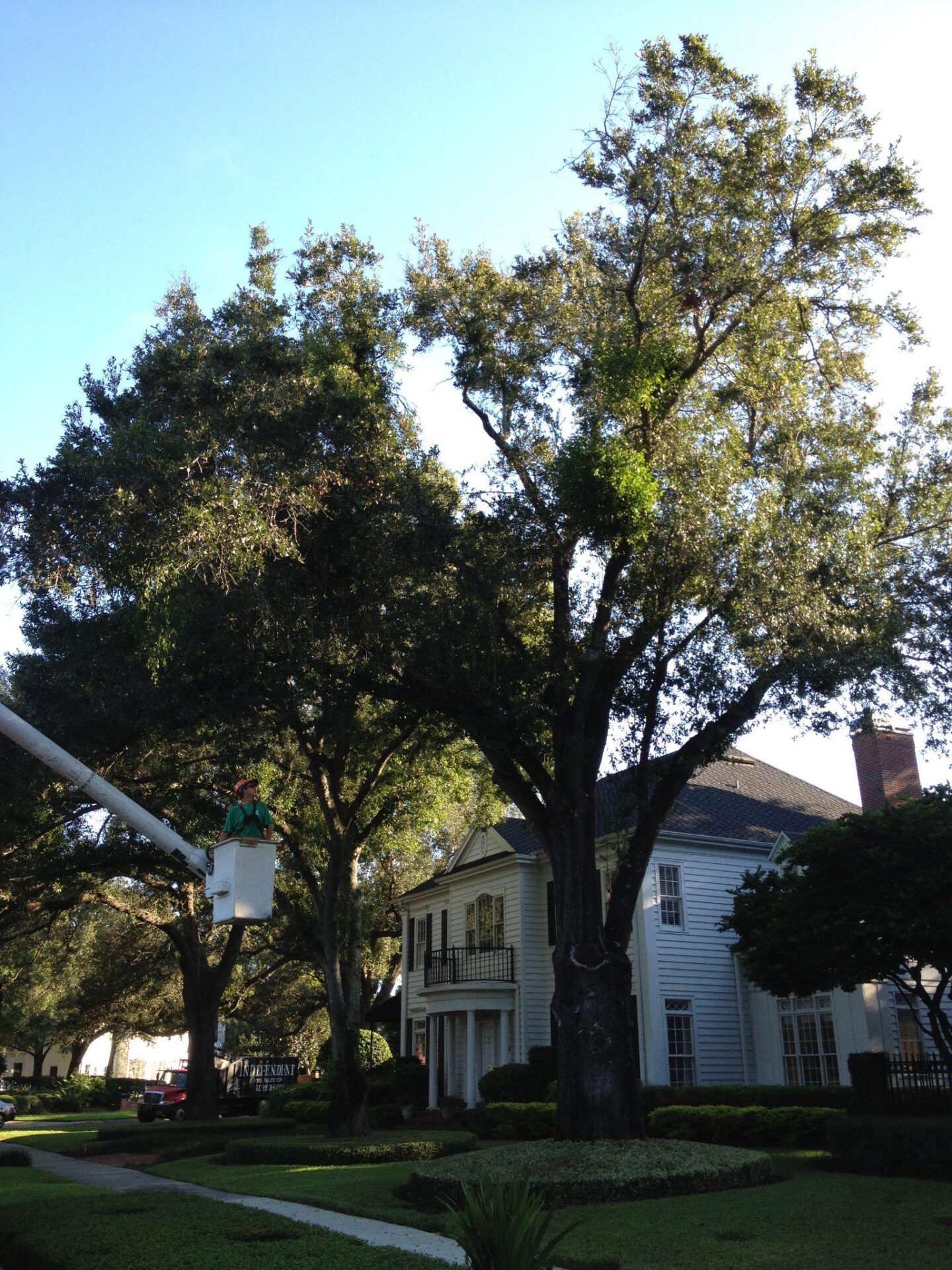
We know how important it is for you to understand what your trees need. Whether you’re deciding between pruning and removal, noticing structural issues, or wondering when to prune trees, our team is here to guide you through each step with honesty and respect. Our recommendations rely on science, practical experience, and careful evaluation. When you learn the difference between seasonal pruning, structural issues, and hazards, you gain the confidence to make choices that protect your home.
We always explain the long-term effects of tree pruning vs tree removal so you understand how each choice affects growth, safety, and your property. When we walk your yard, we point out risks, strengths, and opportunities for improvement. You receive information, not pressure. We believe that you should feel informed and supported every time you make a decision about your trees.
If removal becomes necessary, we perform the work with trained team members only. We never outsource, because consistency and accountability matter. If pruning is the better option, we’ll help you understand the timing, the structure, and the benefits of regular maintenance. Our company take pride in providing dependable, trustworthy service from start to finish.
Your landscape deserves proper care, expert handling, and attention rooted in experience. When you’re ready to take the next step, we’re here to offer the guidance and solutions you need.
If you want a clear, science-based evaluation of your trees and recommendations tailored to your yard, we’d be honored to help. Request a quote and let Independent Tree Service provide honest, dependable support for your next tree care decision.
Summary
Understanding tree pruning vs tree removal helps you determine what your trees need to stay healthy and safe. This guide explained how pruning supports growth, improves airflow, strengthens structure, and reduces risk. You also learned the benefits of tree pruning, such as increased safety and stronger long-term performance. Knowing when pruning is appropriate versus when removal becomes necessary helps you avoid hazards and protect your property.
Trees communicate their condition through visible signs. Noticing thinning leaves, cracks, decay, or structural imbalance gives you direction on what action to take. Evaluating risk helps you stay proactive rather than reactive. With the right information, you can keep your trees thriving and your home protected.
For tasks involving removal, safety and training matter. Choosing experienced professionals gives you peace of mind and reliable results. Independent Tree Service provides honest recommendations rooted in science, safety, and care. With a dependable team of ISA Certified Arborists and industry-leading tools, they ensure that each service is handled responsibly and efficiently.
Tags: