
When to Remove a Tree: 5 Signs You Shouldn’t Ignore
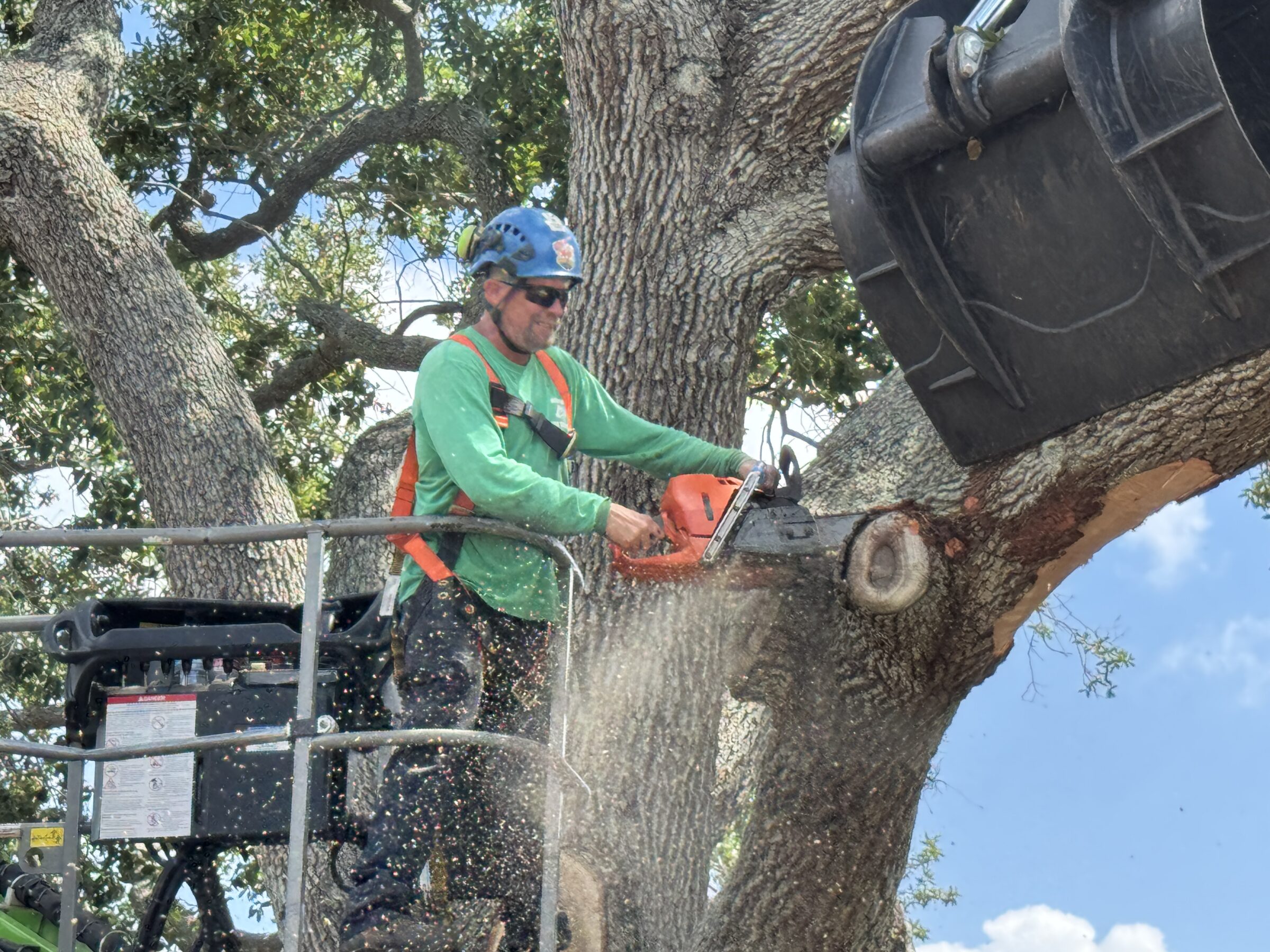
Trees enrich your yard, but a failing tree can cause serious harm. Many homeowners hesitate because they aren’t sure when to remove a tree. Subtle signals like dead limbs, cracks, mushrooms, or pests can go unnoticed until a storm knocks the tree over. This guide shows you how to spot these signs early so you know when to remove a tree before it becomes a hazard.
Acting too soon wastes a healthy tree, while waiting too long risks damage. By focusing on observable facts rather than guesswork, you’ll make better decisions. The goal is to reduce uncertainty and protect your family and landscape with clear, science‑based observations about when to remove a tree.
Why Removing Hazardous Trees Is Important?
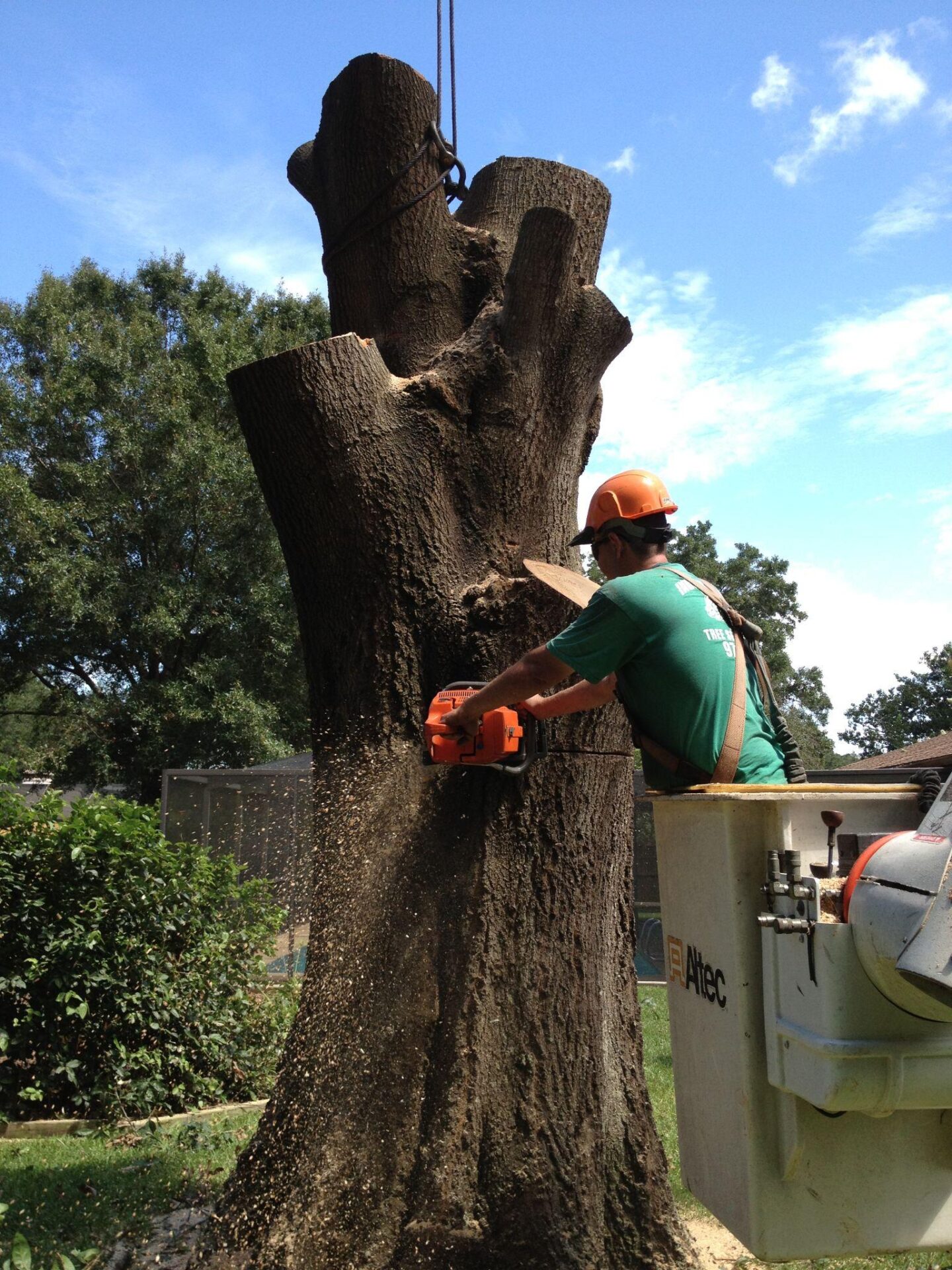
Leaving a dangerous tree standing invites trouble. Weak branches or roots can fail during storms, causing damage to roofs, cars, or fences. Insurance claims may be denied if obvious hazards are ignored. Knowing when to remove a tree helps you avoid these outcomes. Hazardous trees also cast deep shade, which reduces curb appeal. Taking action at the right time prevents pests and diseases from spreading, making your yard safer and more inviting.
Remove a hazardous tree to:
- Protect people and property: Prevent injuries and costly repairs by addressing risks before storms hit.
- Plan for replacement: Clear a hazard and prepare to plant a new tree when the time is right.
- Preserve property value: Removing an unsightly or dying tree supports curb appeal and may maintain home value.
Are Dead or Dying Branches a Sign that a Tree Is Dying?
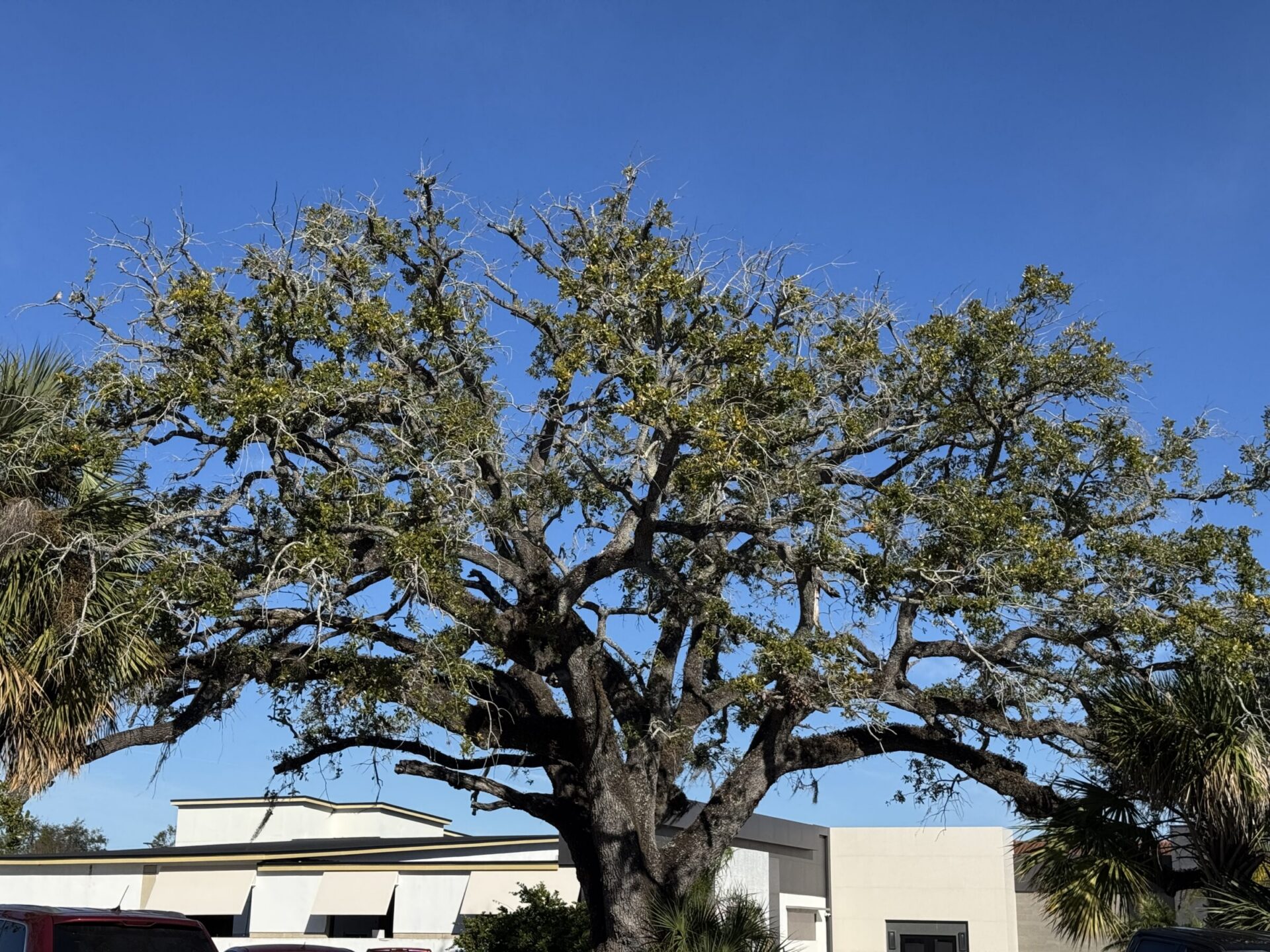
Dead branches aren’t always a death sentence. Trees shed small interior limbs as they focus growth on outer branches. A few dry twigs near the trunk are normal and can be pruned for appearance. However, dead limbs high in the canopy or across multiple branches suggest deeper trouble. Branch dieback can result from pests, disease, drought, or other environmental stress. When several large branches die back at once, the tree may be struggling more than you realize. Ignoring this increases the risk of heavy limbs snapping and falling during bad weather.
Normal Interior Deadwood
Trees often let go of inner branches that no longer receive sunlight. These limbs die naturally as the tree directs energy to the growing tips. Removing these small limbs tidies the tree but doesn’t mean removal is necessary. You can safely prune out this minor deadwood during routine maintenance without harming the tree.
Concerning Canopy Dieback
When large limbs or the tips of branches die and fail to leaf out, the tree may be stressed by disease, insect damage, or root problems. Brittle wood and heavy leaf loss during the growing season are signs to consider when to remove a tree to prevent falling limbs. Canopy dieback often starts at the branch tips and works inward, which means the tree is no longer able to support those limbs with water and nutrients. Deciding when to remove a tree at this stage can prevent property damage and make room for a healthier replacement.
Do Cracks, Cavities, or Rot Signal Tree Disease?
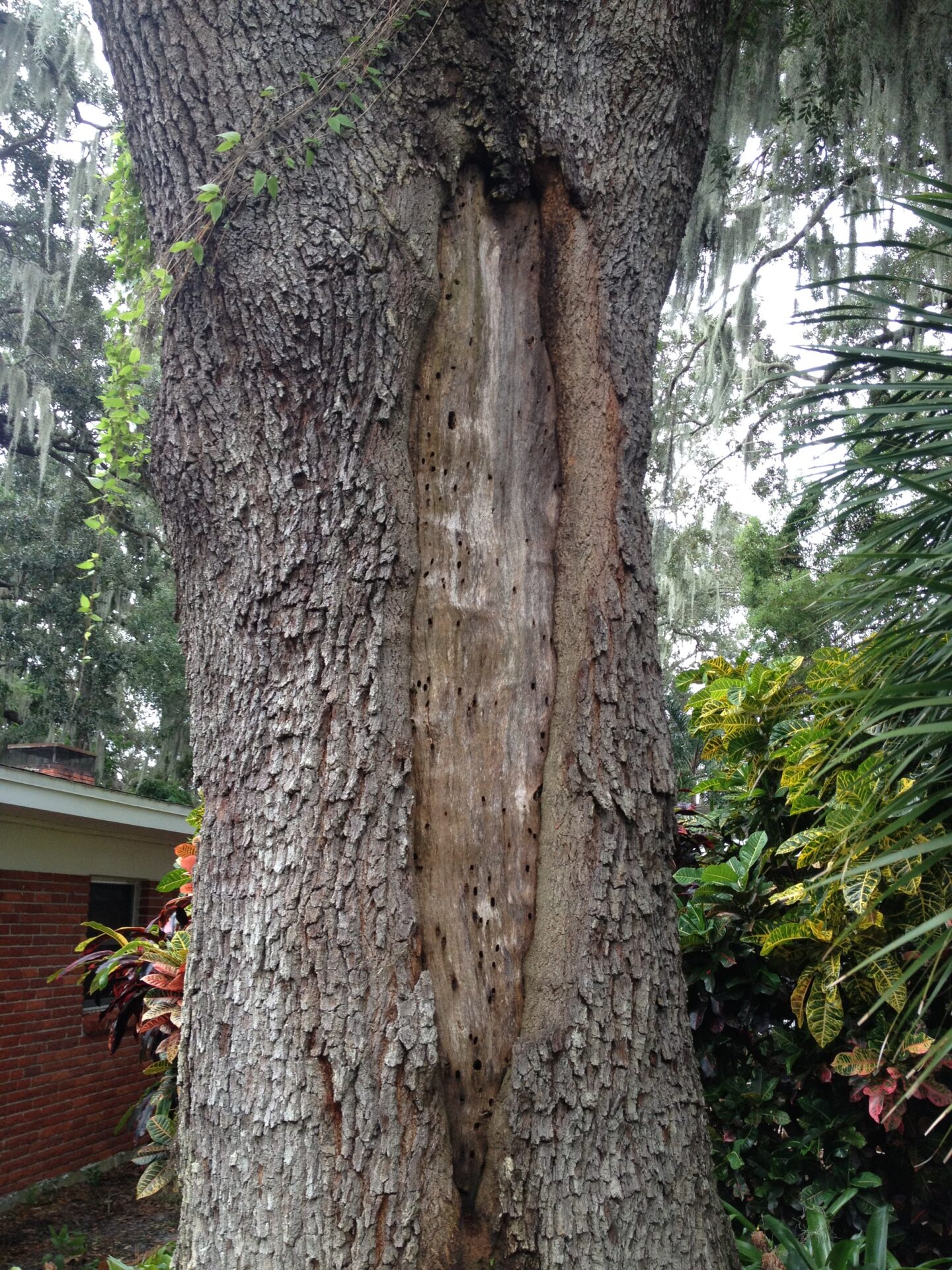
Structural defects compromise a tree’s strength. Cracks running down the trunk or major limbs can open and close with temperature changes, stressing the wood. Cavities form where branches were removed poorly, leaving hollow spaces that reduce support. Rot makes wood soft and spongy.
If more than a third of the trunk or a major limb is compromised by cracks, cavities, or rot, the tree becomes unstable. Look for missing bark, holes, or wood you can press into. When these conditions exist, consider when to remove a tree and to consult with an ISA certified arborist.
Should Fungal Growth at the Base Concern You?
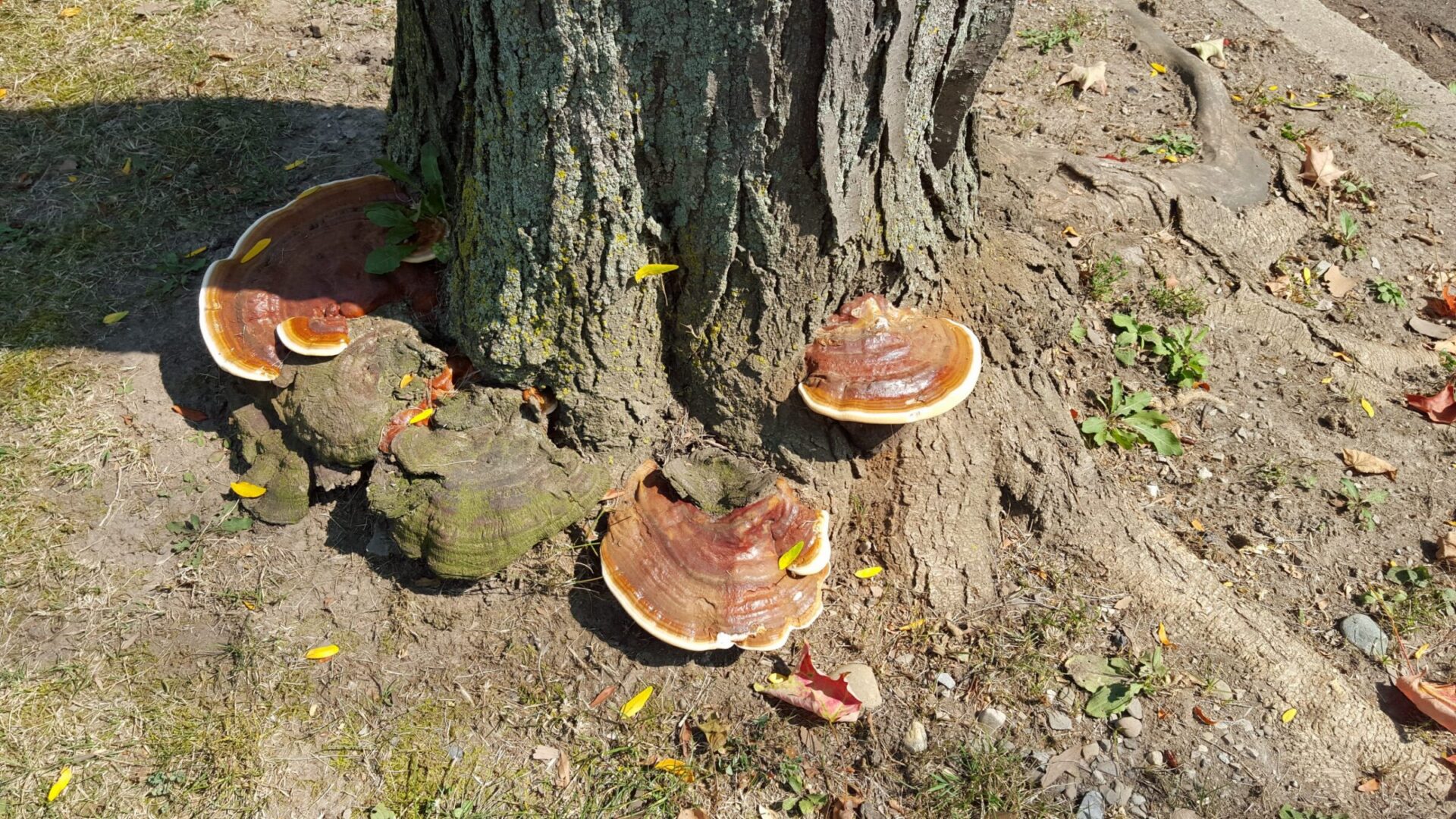
Fungi thrive on decaying wood. Mushrooms or shelf‑like growths at the base suggest internal rot in roots or lower trunk. Because this damage is hidden, the tree can appear healthy above ground while slowly losing its anchor.
Warning signs include:
- Mushrooms or conks: Fruiting bodies on roots or the trunk point to decay.
- Soft, spongy wood: A firm base should not compress under pressure.
If these signs appear, call a professional. Early removal prevents root failure and helps you decide when to remove a tree safely.
Is a Leaning Tree Dangerous?
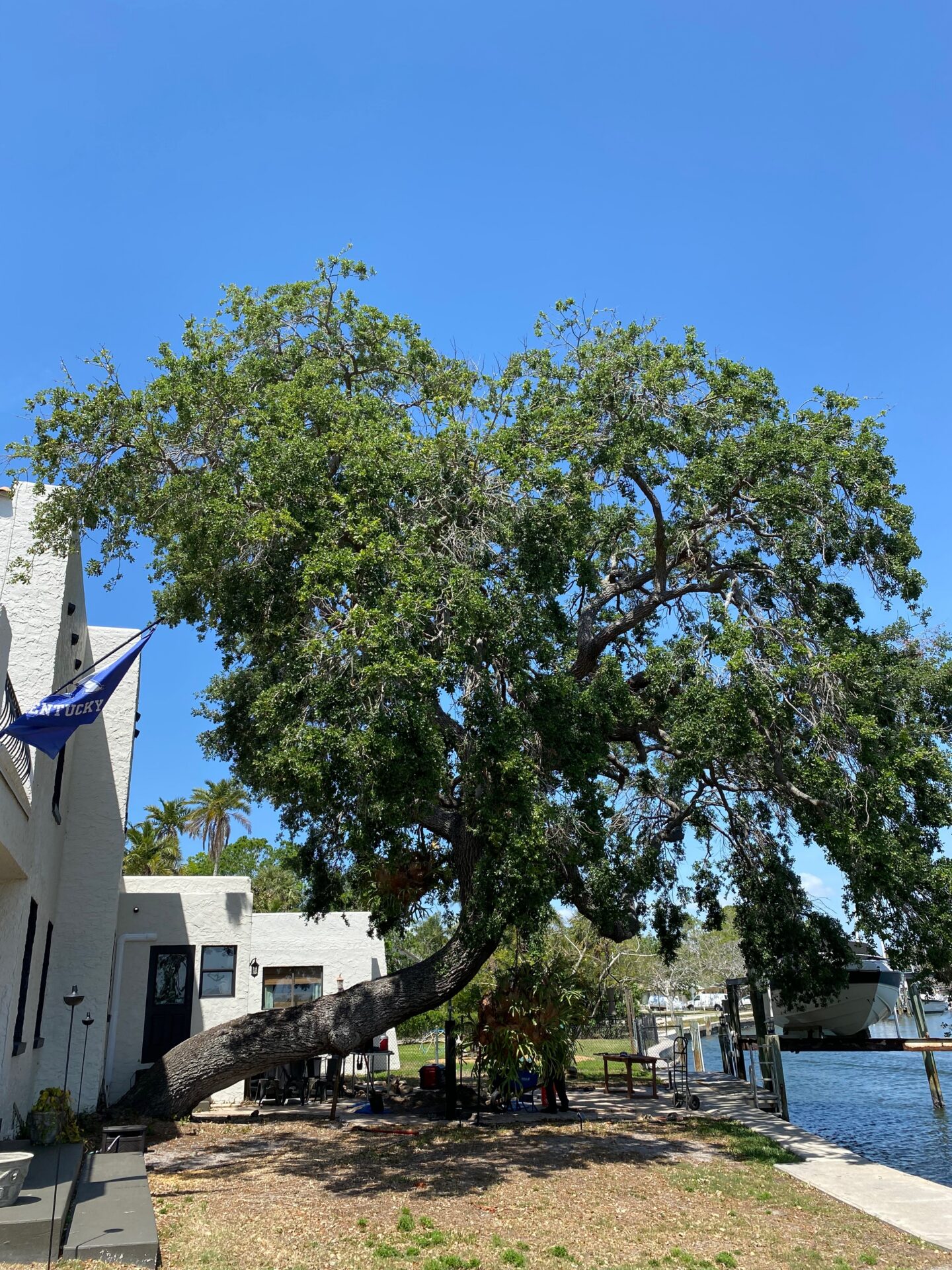
Many trees lean slightly and remain stable for years. A gradual lean with firm roots often poses little risk. The danger comes from a sudden or increasing lean, which can result from rain, wind, or root damage.
Check the ground around the tree. Soil cracking on the side opposite the lean or roots lifting from the soil suggests the root plate is failing. If a tree was once straight, then develops an obvious lean following a weather event, contact an ISA certified arborist to evaluate the tree to minimize the likelihood of imminent failure and weather you need to remove the tree or not. If the tree leans toward a house or driveway, act sooner. Combining lean with other defects strengthens the case for when to remove a tree.
Are Severe Disease or Pest Infestations Signs a Tree Is Dying?
Diseases and pests hasten decline. Cankers, oozing sap, frass, and sawdust piles are typical signs. Wood‑boring insects chew tunnels under the bark, disrupting water flow. Fungi and bacteria cause bark to sink, crack, or leak sap. Rapid leaf loss or branch dieback often follows.
Watch for:
- Bleeding or oozing spots: Sticky patches suggest infection.
- Small holes and sawdust: Exit holes and frass reveal insect activity.
When multiple symptoms appear, the tree may be dying. Removing it prevents pests and disease from spreading and clarifies when to remove a tree to maintain a healthy yard.
How Do You Tell if a Tree Is Dead or Dormant?
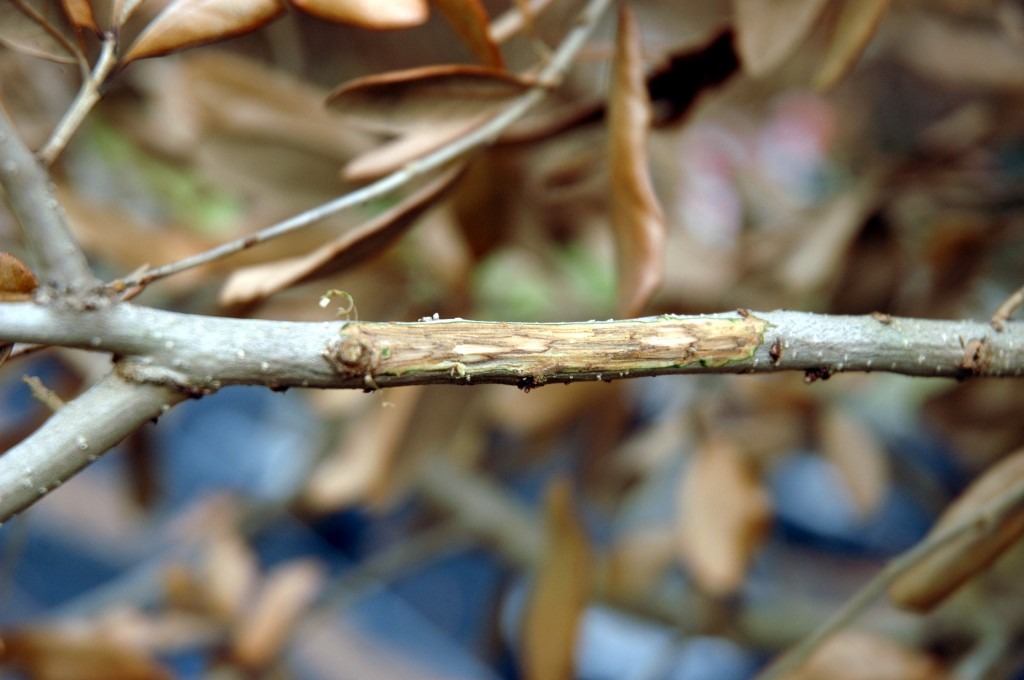
Trees rest in winter, often looking lifeless. Before deciding when to remove a tree, run simple tests to distinguish dormancy from death. This prevents cutting down a living tree and helps you understand your tree’s natural cycle. Check several branches in different parts of the canopy for a complete picture.
Scratch Test
Scratch a small patch of bark on a twig. Green, moist tissue beneath indicates life; brown, dry tissue indicates death. Perform this test on several branches, as one dead twig doesn’t doom the whole tree. If most scratch tests reveal brown, it may be time to consider when to remove a tree.
Bend Test
Bend a young twig gently. Live wood bends and springs back, while dead wood snaps. Test twigs from different parts of the canopy; a mixture of flexible and brittle twigs suggests partial dieback. If most twigs snap easily, the tree may no longer be viable.
Bud Inspection
Look for buds on branches. Dormant buds are intact even without leaves. If buds are shriveled or missing, that part may be dead. Combine bud inspection with scratch and bend tests for a fuller understanding. These tests help you decide whether to wait or remove the tree.
How Can You Cut Down a Tree Safely?
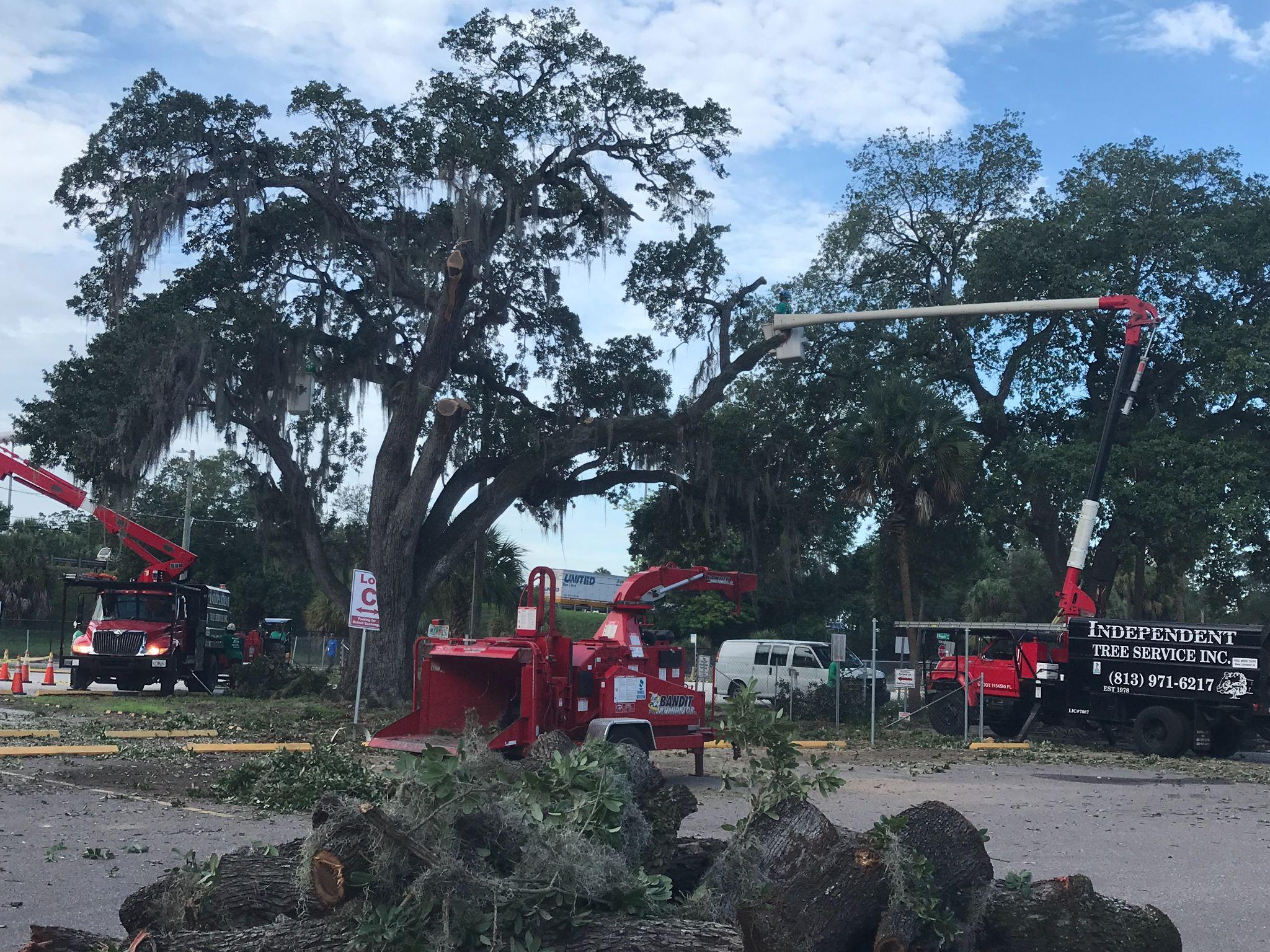
If you decide to cut a tree yourself, plan carefully. Survey the area to ensure the tree has room to fall without hitting structures or power lines. Clear people and obstacles. Choose an escape path angled away from the fall line.
Wear a helmet, goggles, ear protection, gloves, and boots. Use a sharp chainsaw sized for the tree. Make a notch cut on the side facing the desired fall direction, then make a felling cut from the opposite side slightly above the notch. When the tree begins to lean, stop cutting and retreat. For small trees, a handsaw may suffice. If the tree is large or near hazards, hire a professional so your decision about when to remove a tree doesn’t lead to injury.
Should You Remove a Dead Tree Yourself or Call a Pro?
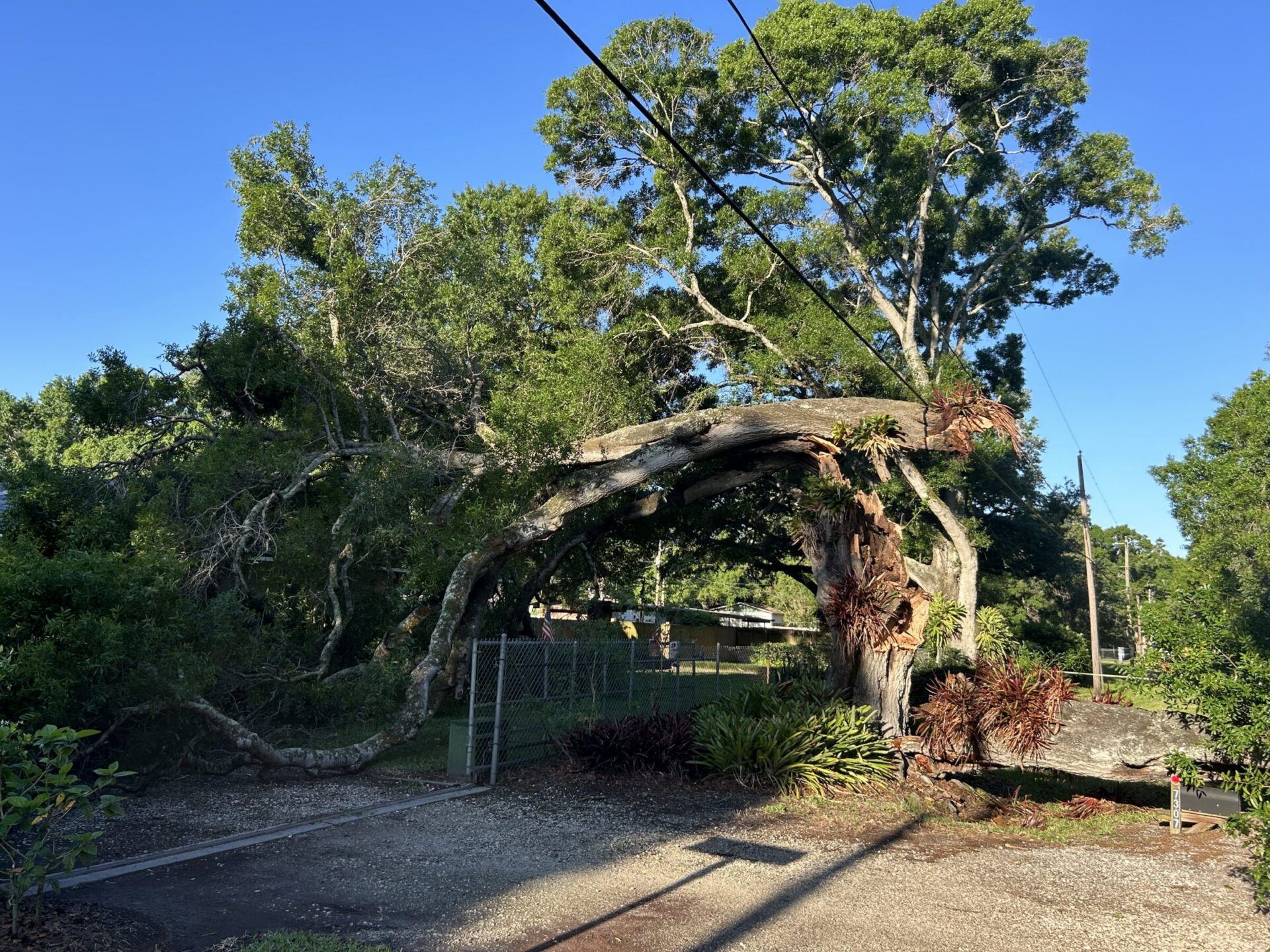
The choice depends on factors such as size, location, and safety. Small trees far from buildings may be removed by homeowners with proper tools. Large trees, those leaning toward structures, or trees weakened by pests or rot are best left to experts. Improper removal can cause injury or damage.
Independent Tree Service provides science‑based guidance and removal using modern equipment. We offer no‑pressure consultations and use our own crews to ensure consistent quality. The team evaluates signs such as dead branches, trunk defects, fungus, lean, and pests to help you determine when to remove a tree. With industry‑leading equipment, we can safely dismantle trees even in tight spaces.
When you notice big dead limbs, trunk decay, fungi, sudden lean, or severe infestation, consider professional help. Ensure your aborist is ISA certified and covered by general liability and workers compensation insurance so that you are not liable.
Protect your home and family by scheduling a consultation with Independent Tree Service and discover how expert guidance on when to remove a tree helps keep your landscape safe. Request a quote today.
Summary
Recognizing when to remove a tree is crucial for ensuring safety and maintaining landscape health. Watch for large dead branches, cracks, cavities, mushrooms at the base, sudden leans, and signs of pests or disease. Interior deadwood can be normal, but widespread dieback and hollow trunks reduce strength. Fungi indicate hidden root decay, while rapid lean or soil upheaval shows instability. Pest damage appears through holes, frass, sap, and rapid defoliation. Simple scratch, bend, and bud tests distinguish a dormant tree from a dead one. When cutting a tree yourself, plan carefully and wear safety gear, but call a professional for large or compromised trees. Independent Tree Service offers non-pressure advice and removal services using industry-leading equipment. These insights help you determine when to remove a tree and maintain a safe yard. Knowing the right timing prevents accidents, protects property, and supports healthy replanting. Removing dead or diseased trees in the landscape also help reduce the likelihood of spreading disease or pathogens.
Tags: