
A Hurricane Tree Preparedness Guide for Your Home: Structural Pruning, Weight Reduction & Clearance

Many homeowners along Florida’s coast know the anxiety of hurricane season all too well. A hurricane tree preparedness guide can turn that anxiety into confidence. As summer storms brew over the Gulf, the thought of towering oaks or pines near your home can be unsettling. It’s easy to imagine limbs crashing through windows or uprooted trunks tearing up foundations. You want your trees to be assets, not liabilities. That requires more than a last-minute trim. It takes proactive care grounded in science and experience. Too often people wait until the forecast calls for high winds before taking action, leaving little time to do the work safely. Without a plan, you could end up with rushed decisions, unnecessary removals, or overlooked hazards. By following a thoughtful, step‑by‑step strategy, you can make informed choices and reduce stress. This series will show you how to evaluate each tree, strengthen weak branches, reduce wind resistance and schedule professional help well in advance. You’ll learn why certain cuts are recommended and how to avoid harmful practices. Most importantly, you’ll discover that with clear guidance and support from certified arborists you can keep your yard beautiful and resilient even as hurricanes approach.
What Is a Hurricane Tree Preparedness Guide?
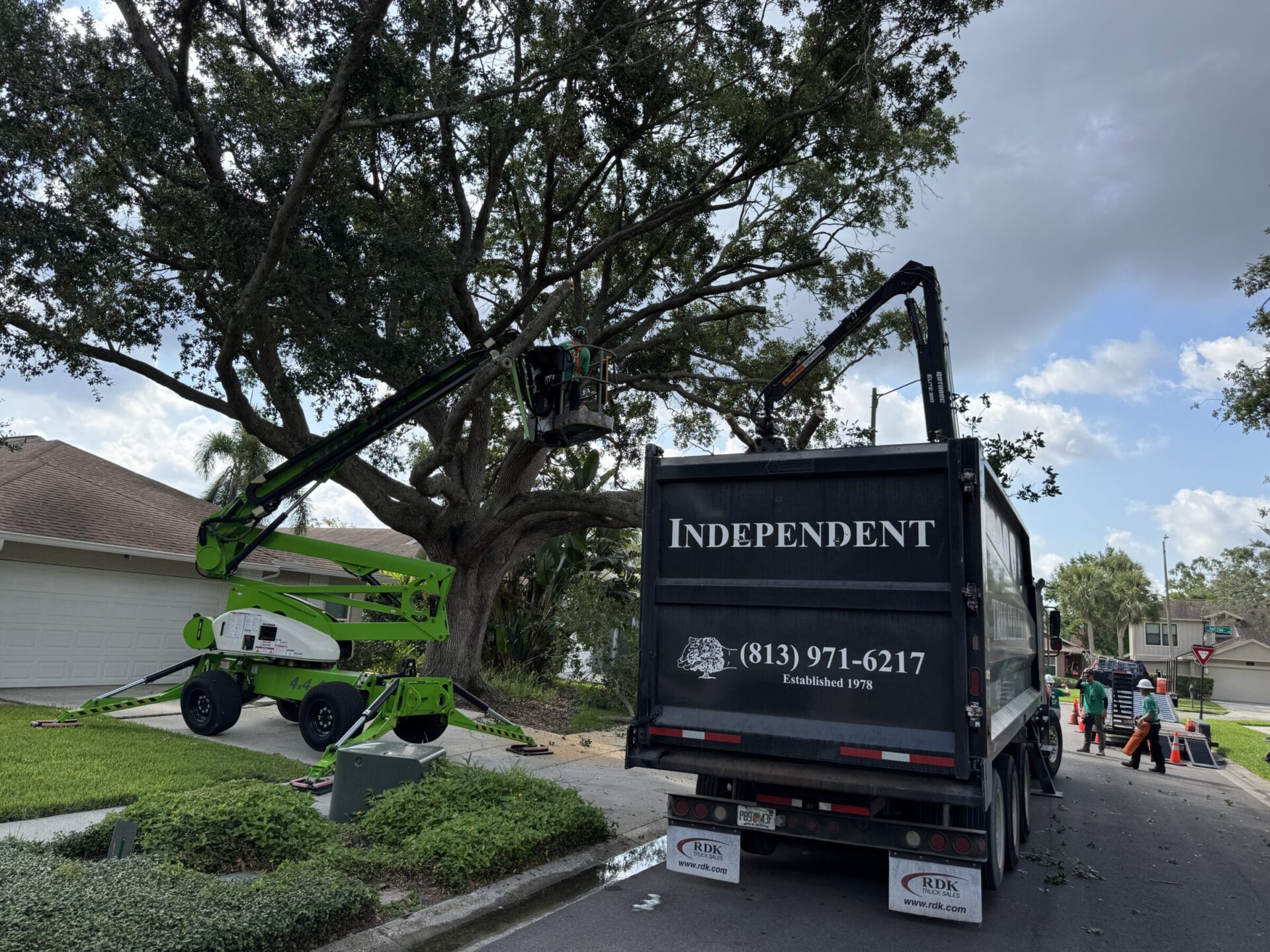
Think of a hurricane tree preparedness guide as a roadmap for safeguarding your landscape. It’s not just a list of quick fixes; it’s a comprehensive plan that helps you inspect, prioritize, and care for your trees before storms strike. In Florida, mature live oaks and palms are part of everyday life, but even healthy trees can fail under extreme wind if they’ve been neglected. A guide outlines the steps to prevent that outcome.
You’ll start by assessing each tree’s health and structure. Look for dead limbs, weak attachments, or overextended branches that could break. Identifying these issues early allows you to schedule corrective pruning well ahead of hurricane season rather than scrambling at the last moment. A good guide will also explain when to reduce canopy size, when to thin, and when to leave a tree alone.
The best plans incorporate advice from certified arborists. These professionals understand how different species respond to wind and can recommend specific pruning strategies. Following the guide means you’ll:
- Protect your home and family by reducing the likelihood of falling limbs, especially during storms or high winds, which can cause significant damage to roofs, vehicles, or even injure occupants.
- Preserve tree health by using proper cuts and avoiding over-pruning, which can stress the tree, make it susceptible to disease, or inhibit its natural growth and beauty.
- Save money by preventing costly emergency removals or property damage that can result from neglecting proper tree maintenance, often leading to more expensive and extensive repairs down the line.
Some homeowners attempt do‑it‑yourself tree work, but improper cuts can increase hazards. By following a structured guide and consulting experts when needed, you can approach storm season calmly. A well‑planned hurricane tree preparedness guide empowers you to take control, ensuring your trees remain assets rather than liabilities when the winds begin to howl.
How Structural Pruning for Hurricanes Strengthens Your Trees
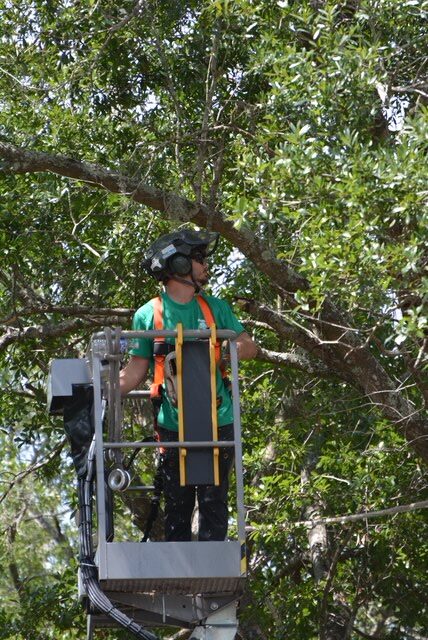
Structural pruning for hurricanes is about shaping a tree so it can handle high winds. Instead of randomly cutting branches, you purposefully shorten or remove weak, poorly attached limbs and co‑dominant stems. Research from the University of Florida notes that shortening the largest branches reduces wind force on the canopy. By removing overextended branches and thinning out crowded areas, you make the tree’s structure more compact and balanced, which lowers the chance of breakage during storms.
A typical structural pruning for hurricanes follows a few key steps:
- Identify the central leader: Many trees develop multiple leaders in open landscapes. Selecting one dominant trunk and subordinating competing leaders improves overall stability.
- Shorten long, heavy limbs: Use reduction cuts to remove end weight and leverage on overextended branches. This reduces both wind resistance and the risk of limb failure.
- Remove weak or dead branches: Dead limbs act like sails in strong winds and are more likely to snap. Removing them early protects people and property.
Early, proactive pruning is best. Younger trees respond quickly and heal faster than mature ones. Structural adjustments performed every few years in Tampa can create a strong framework that lasts the tree’s lifetime. If you’re not sure where to start, explore our Tree Pruning & Trimming page for more detail. When done correctly, structural pruning for hurricanes not only reduces the likelihood of catastrophic failures but also promotes healthy, attractive growth. With guidance and skilled hands, your trees will be better prepared to weather Florida’s storms.
Why Is Weight Reduction Pruning Important Before a Storm?
Heavy limbs are a liability in high winds. Hurricane weight reduction pruning focuses on removing mass from the ends of large branches to reduce leverage, weight, and wind resistance. Rather than stripping out interior growth or topping the tree, an arborist makes a reduction cut back to a lateral branch that is at least one‑third the diameter of the cut limb. This preserves the branch collar, keeps the tree’s natural shape, and prevents decay.
A few reasons to consider hurricane weight reduction pruning:
- Reduce risk of branch failure: Overextended limbs carrying heavy foliage or fruit can snap under the strain of wind. By shortening these limbs, you lessen the chance of them breaking.
- Improve wind flow: Shorter limbs expose less surface area to the wind, which decreases drag and helps the tree sway without failing.
- Preserve tree structure: Reduction cuts maintain the tree’s overall form and balance. Unlike topping, they encourage healthy regrowth from strong lateral branches.
Homeowners sometimes attempt this pruning on their own, but it requires an understanding of tree biology and load distribution. Improper cuts can unbalance the canopy or leave large wounds that decay. For this reason, consulting a certified arborist is essential. By planning ahead and using proper techniques, hurricane weight reduction pruning provides peace of mind that your trees are not overloaded when the next big storm arrives.
When Should You Schedule Tree Clearance Before Hurricane Season?
Timely preparation is key to reducing hurricane risks. Tree clearance before hurricane season isn’t something to leave until meteorologists start naming storms. In our region, hurricane season officially starts in June, but the cool season of November through February is the ideal time to walk your property and plan any removals or large limb clearances. Here’s why:
- Arborist availability: Reputable tree services book up quickly as storms approach. Scheduling your tree clearance before hurricane season means you can select a convenient date rather than settling for whatever is left.
- Weather conditions: Dry cool season weather allows heavy equipment to access your yard with minimal soil compaction. Once summer rains begin, the ground softens and work becomes more difficult.
- Wildlife considerations: Many birds nest in early summer. Removing large trees or limbs before nesting season helps avoid disturbing wildlife.
Tree clearance before hurricane impacts is not always about removing entire trees. Sometimes it involves removing a declining tree that can’t be saved, creating clearance for power lines, or taking out invasive species that could topple easily. A qualified arborist will help you prioritize removals and explain the implications of each choice. Need help evaluating your property? Learn about our Tree Assessments service. By taking action early, you protect your home and ensure the project is done safely and thoughtfully, long before winds pick up and schedules tighten.
How Can Hurricane‑Safe Tree Trimming Lower Risk to Your Roof & Power Lines?
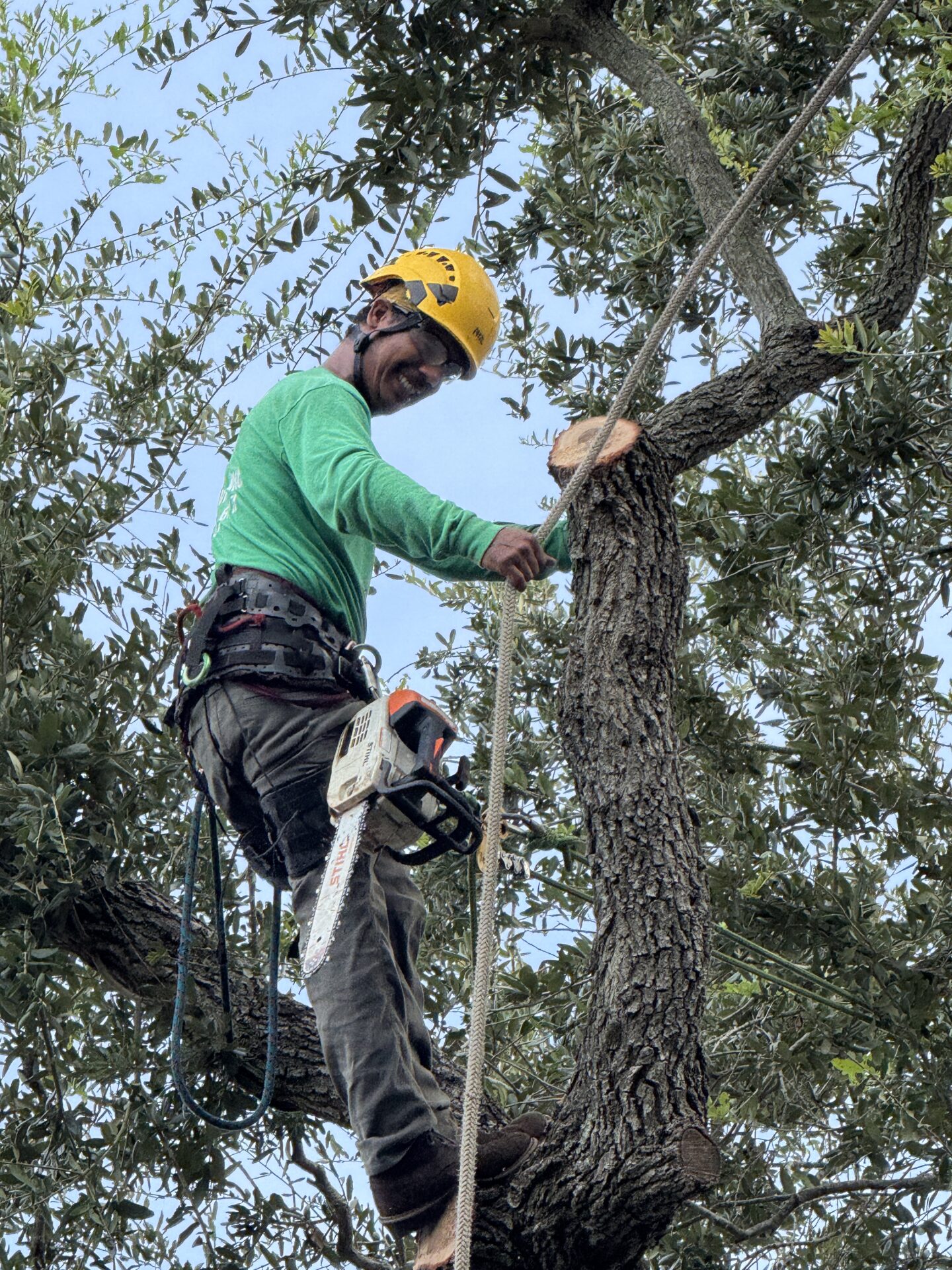
Branches rubbing against your roof or hanging over service lines pose obvious hazards. Hurricane‑safe tree trimming addresses these issues without compromising the tree’s health. When branches rest on a roof, they can strip shingles, allow moisture to seep in, and provide a pathway for pests. Removing those limbs lowers the chance of building damage. Likewise, branches near power lines can cause outages or fires when winds cause them to arc or snap.
To trim safely around structures:
- Maintain clearance: Keep branches at least three feet from roofs and gutters. For power lines, the safe distance is greater. In most cases, only a utility-approved contractor should prune within ten feet of energized lines. Never attempt this yourself.
- Use proper cuts: Make pruning cuts just outside the branch collar so wounds can close over. Avoid flush cuts or leaving long stubs.
- Avoid over‑raising: Removing too many low limbs can shift the tree’s weight to the canopy and increase storm damage. Instead, reduce the length of long branches in the upper canopy while maintaining some lower limbs for balance.
Hurricane‑safe tree trimming also means thinking beyond the obvious. Hidden branches within the canopy can grow toward wires or roofs over time. A certified arborist in Tampa will not only clear current hazards but also predict and redirect growth. They may recommend cabling or bracing to support heavy limbs or selective pruning to redistribute weight. Schedule trimming during cooler months when sap flow is lower to reduce stress on the tree and give wounds time to close before storm season. By taking this measured approach, you’ll protect your roof and utilities while maintaining the tree’s structural integrity.
What Branches Should Be Removed During Structural Pruning?
During structural pruning for hurricanes, the goal is to improve a tree’s architecture rather than simply making it smaller. Begin by removing dead, diseased, or damaged branches. These limbs are more likely to break and injure someone or damage property. Next, look for branches that cross or rub against each other; these create wounds that invite decay. Removing one of the crossing branches eliminates that point of friction.
Another priority is to address overextended or downward‑arching limbs. Long branches with a lot of foliage at the ends create leverage that can cause splitting in high winds. A reduction cut back to a strong lateral branch will reduce weight and wind exposure while preserving much of the limb’s function. Co‑dominant leaders (two stems of similar size competing at the top) are also problematic because they often have weak attachments. Subordinating one leader (reducing its length so it no longer competes) helps build a strong central trunk.
Use caution with large branches over six inches in diameter; cutting them creates large wounds that take longer to close over. In many cases, it’s better to remove a branch in stages over several years. A thoughtful structural pruning for hurricanes plan focuses on strategic cuts that improve form and safety without stripping away too much foliage. By following these guidelines, you encourage your tree to develop a robust structure that stands up better to the next big blow.
How Does Thinning the Canopy Reduce Wind Drag on Your Trees?
When wind meets a dense canopy, it pushes against the foliage and branches, creating drag that can break limbs or uproot trees. Selective thinning reduces this drag by allowing wind to pass through the canopy. The idea is to remove some interior branches and small secondary limbs, not large scaffold branches. This decreases the surface area exposed to wind while maintaining the tree’s overall form and leaf area for photosynthesis.
Done correctly, thinning offers several benefits:
- Lower wind load: By opening small “windows” in the canopy, wind pressure is distributed more evenly throughout the crown, significantly reducing the risk of branches breaking or the tree toppling during strong winds.
- Better light penetration: Thinning the canopy lets sunlight reach lower branches and understory plants, improving their photosynthetic activity and overall tree health. This also promotes more balanced growth within the tree.
- Reduced disease: Improved airflow within the thinned canopy helps dry leaves more quickly after rain or dew, significantly reducing the conditions favorable for the development and spread of fungal diseases and other moisture-related issues.
However, improper thinning can cause more harm than good. Removing too many interior branches, a practice known as lion‑tailing, shifts the weight to the ends of limbs and makes them more prone to snapping. Thinning should be conservative, removing the least amount of living tissue possible to accomplish the objective. Coupling canopy thinning with hurricane weight reduction pruning on overextended limbs often yields the best results because it reduces both drag and leverage. While thinning effects may not last as long as structural reductions, when done periodically by a trained arborist, it can be an effective tool for reducing storm damage. In the context of a hurricane tree preparedness guide, canopy thinning is one piece of the larger strategy for storm-resilient trees.
Why Keeping Competing Leaders Under Control Supports Wind Resistance
Many landscape trees in Tampa develop multiple leaders when planted in open spaces. While this can create a broad, attractive canopy, it also introduces weak unions. Co‑dominant stems are roughly equal‑diameter trunks that join together without a strong branch collar. These weak attachments are prone to splitting during storms. Keeping competing leaders under control improves wind resistance by promoting a single dominant leader and subordinating or removing the rest.
Arborists use a technique called subordination to manage co‑dominant leaders. Rather than removing one stem outright, they reduce its length with carefully placed cuts. This slows its growth, encouraging the selected main stem to dominate. Over time, the subordinated leader remains alive but smaller, reducing the risk of failure while preserving foliage for photosynthesis.
This process yields several advantages:
- Stronger structure: A single trunk with well‑spaced lateral branches distributes stress evenly.
- Reduced splitting risk: Fewer competing leaders mean fewer weak unions that can tear apart in high winds.
- Improved longevity: Trees with sound structure require less corrective pruning later and often live longer.
Controlling competing leaders is easiest when trees are young. Regular assessments during the first decade can spot emerging co‑dominant stems and address them early. For older trees, an arborist may still implement subordination cuts but will proceed gradually to avoid creating large wounds. By making leader management a part of your hurricane tree preparedness guide, you help your trees become more wind‑resilient and attractive in the long term.
How Often Should Your Trees Undergo Safety Pruning Assessments?
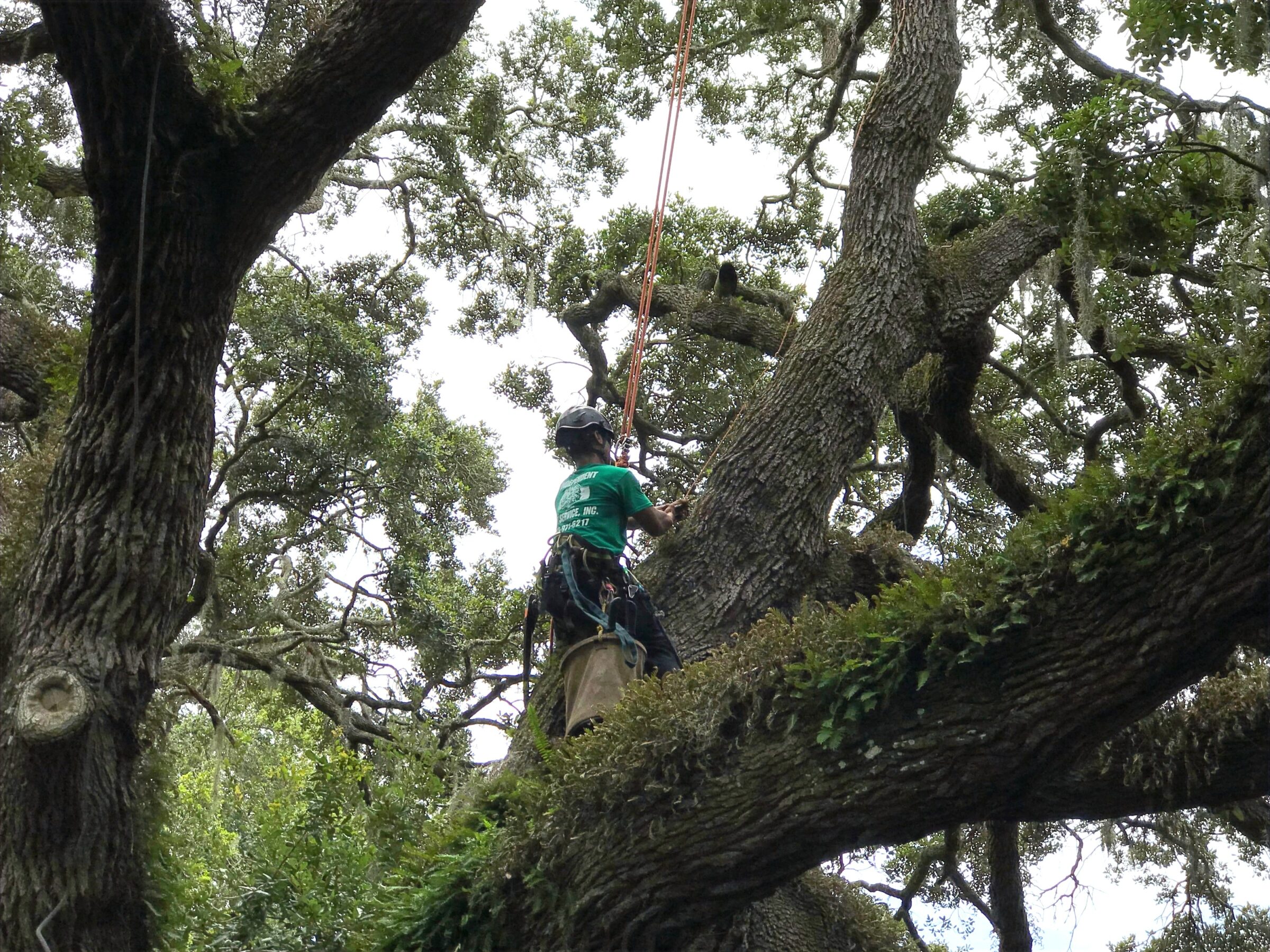
Trees in Tampa are living organisms that change over time. Branches grow longer and heavier, leaders compete, and environmental stresses take their toll. Regular safety pruning assessments help you stay ahead of these changes. For young, fast‑growing shade trees, structural pruning may be needed every two to three years. This keeps branches well‑spaced and prevents co‑dominant leaders from taking hold. Slower‑growing species may need less frequent work, but they still benefit from periodic checkups.
A good rule of thumb is to walk your property with an arborist at least once a year, ideally well before storm season. During these visits, you’ll look for deadwood, cracks, decay, and new growth that could impact power lines or roofs. You’ll also review any previous reduction cuts to see if additional hurricane weight reduction pruning is warranted. If you’ve removed a tree or had significant tree clearance before hurricane season, assessments help ensure remaining trees now exposed to more wind are still structurally sound.
These evaluations aren’t just about cutting. They’re about understanding your trees’ needs and timing interventions properly. A certified arborist will document what was done and recommend the next check. This approach prevents small issues from becoming big hazards and spreads out major pruning over several seasons. Consistent monitoring also means you’re less likely to need emergency services when storms approach, giving you peace of mind during hurricane season. By making safety assessments part of your maintenance routine, you’ll keep your yard safe and your trees strong year after year.
How Does Choosing Service With No Outside Contractors and Non‑Pressure Advice Benefit Your Control?
Selecting a tree care company is as important as the work itself. When you hire a service that never relies on outside contractors, you know exactly who’s on your property and what their qualifications are. Independent Tree Service employs and trains its own crews, which means every arborist follows the same high standards for pruning and safety. There are no unfamiliar subcontractors showing up with different practices or priorities. This consistency gives you confidence that the advice you receive is grounded in science and tailored to your yard’s needs.
Equally important is working with a company that offers recommendations without pressure. Your arborist will explain options, potential risks, and costs, then let you decide. You won’t be pushed to remove a tree if selective pruning or weight reduction will suffice. This empowers you to choose the level of intervention that matches your comfort level and budget.
When a single provider handles assessments, structural pruning for hurricanes, hurricane‑safe tree trimming, and tree clearance before hurricane season, communication is seamless. You don’t have to coordinate between multiple contractors, and there’s a clear understanding of your goals and concerns. As a result, the work is done efficiently and to your specifications. Investing in a team that values your control and focuses on education rather than sales ensures that your trees get the right care at the right time and that you remain in charge of every decision.
Going Beyond a Hurricane Tree Preparedness Guide in Tampa
Preparing your trees for storms is about being proactive rather than reactive. By following a hurricane tree preparedness guide, you address structural issues long before winds arrive. Structural pruning focuses on developing a strong central leader and well‑spaced branches, while hurricane weight reduction pruning reduces leverage on heavy limbs, both of which make trees more wind‑resistant. Thinning the canopy and managing co‑dominant stems further reduce wind drag and the likelihood of splitting. Regular safety assessments keep you informed about when to prune and when more significant tree clearance before hurricane season might be needed. When you choose a company that doesn’t outsource work and provides non‑pressure advice, you remain in control of every decision.
Caring for your landscape is an ongoing journey, not a one‑time fix. Investing in proper pruning now will save you stress and money when the next storm threatens. We encourage you to reach out to our certified arborists to discuss your trees. Whether you need structural corrections, hurricane‑safe tree trimming, or guidance on hurricane weight reduction pruning, we’re here to help.
Request a consultation to create a personalized plan. Your trees are invaluable assets, let's work together to keep them healthy and resilient through every season.
Tags: