
Tree Removal Safety: Why Certified ISA Arborists Matter
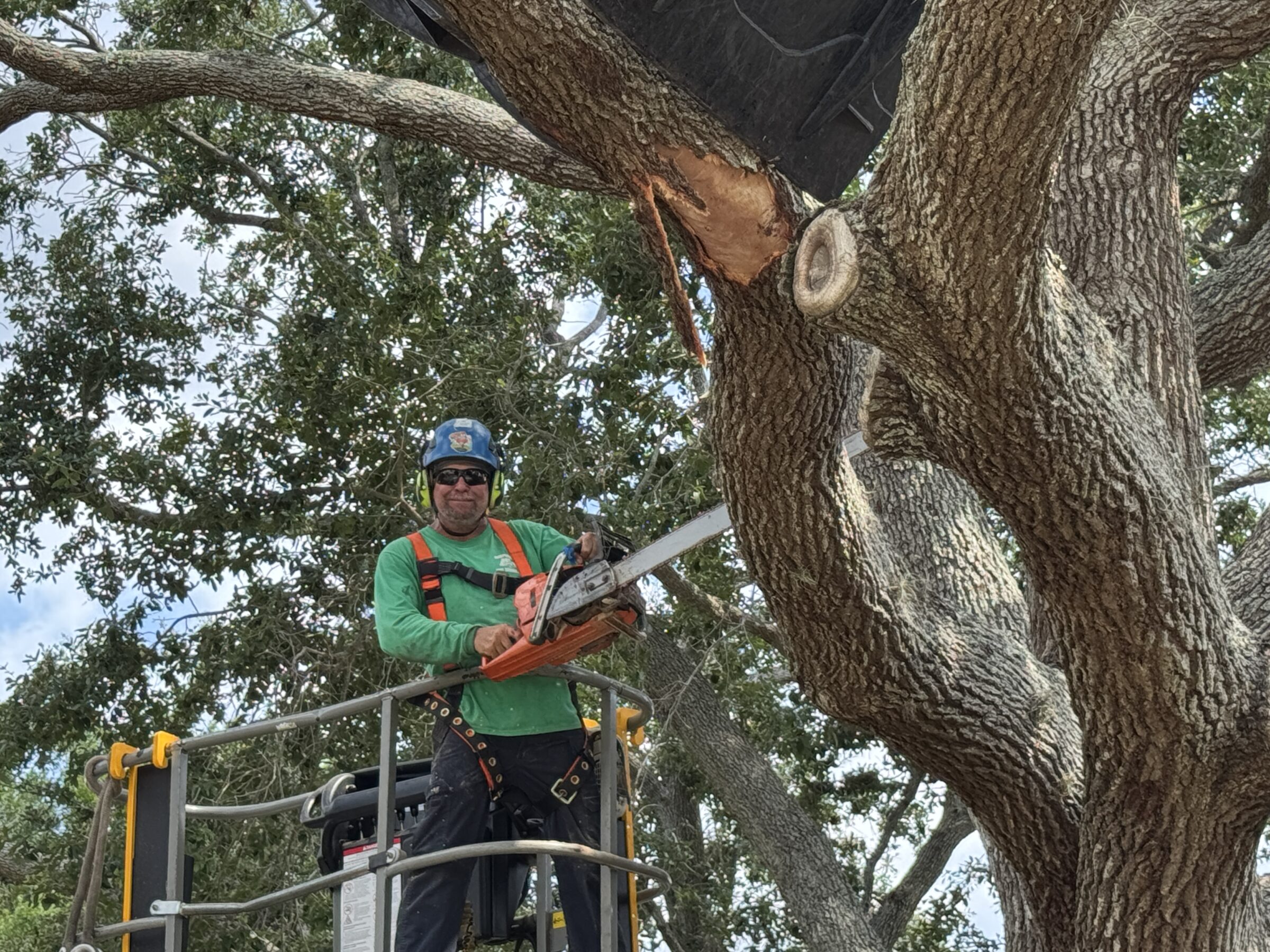
You want to protect your home, yard, and family when a tree reaches the point where pruning is no longer enough. Before making that decision, it helps to compare your options. That’s where our guide on Tree Pruning vs Tree Removal, becomes useful.
As you look for clear guidance, tree removal safety should always be at the front of your mind. You deserve reliable information based on science rather than sales pressure. You also deserve a crew you trust on your property, from the first inspection to the last cleanup. You get that peace of mind when your work is evaluated and completed by a certified arborist.
Understanding The Problem And The Solution
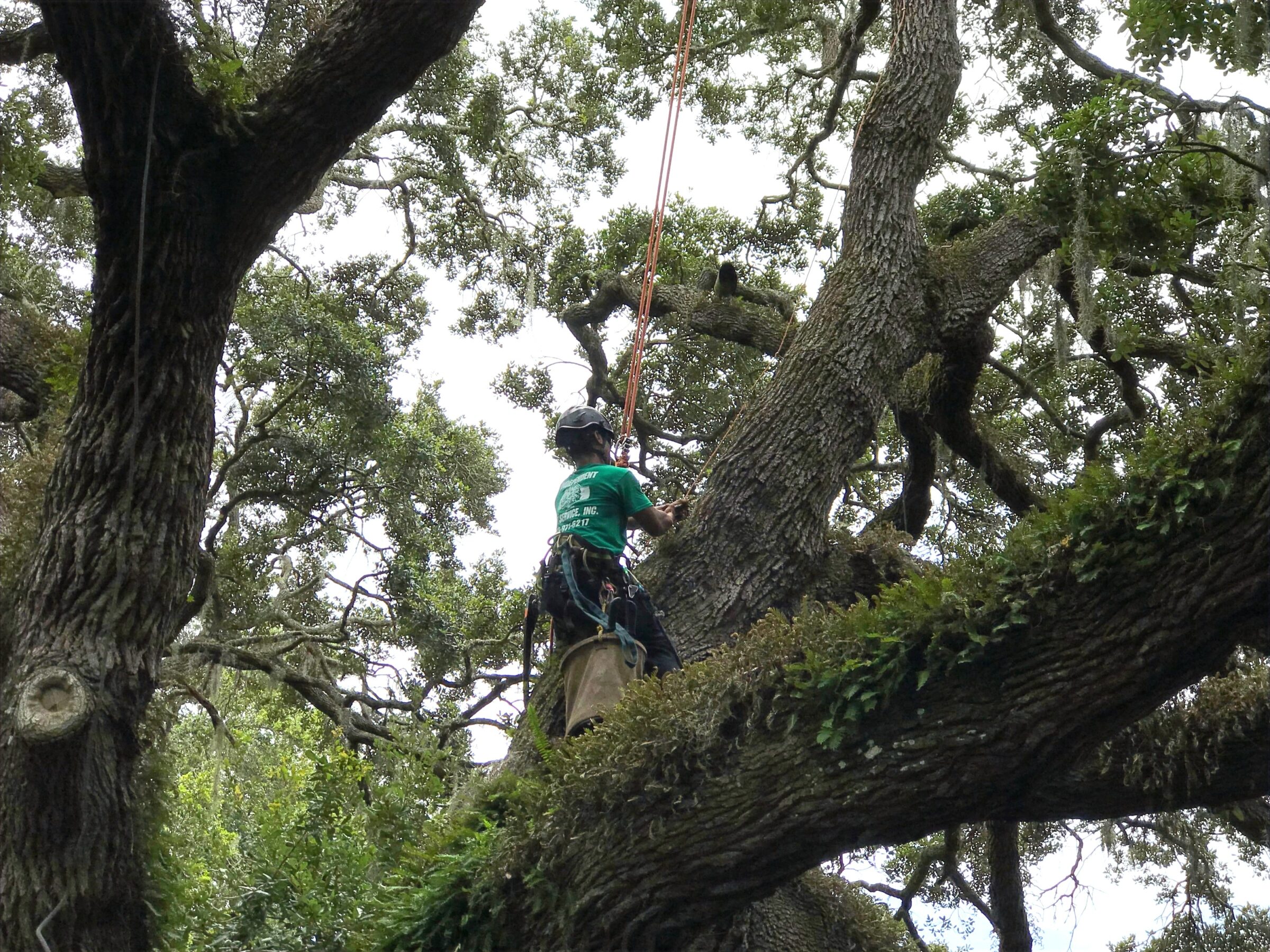
A declining or storm-damaged tree creates stress for any homeowner. When limbs hang low, roots shift, or trunk decay spreads, you face a mix of inconvenience and risk. The concern increases when the tree leans towards your home, grows over your fence, or sits beneath active utility lines.
When you don’t have the training or equipment to handle it alone, it’s normal to feel uncertain about your next step. The possibility of injury or property damage raises valid questions. The process can appear unfamiliar or even overwhelming.
There is a dependable way forward. When you rely on an ISA certified arborist and a crew that handles everything in-house, you get science-based guidance, a clear plan, and safer results. Tree removal safety becomes a controlled, predictable process where you always understand your options and never feel pushed into a decision that doesn’t fit your home or timeline.
Tree Removal Safety: What Your Certified Arborist Checks First
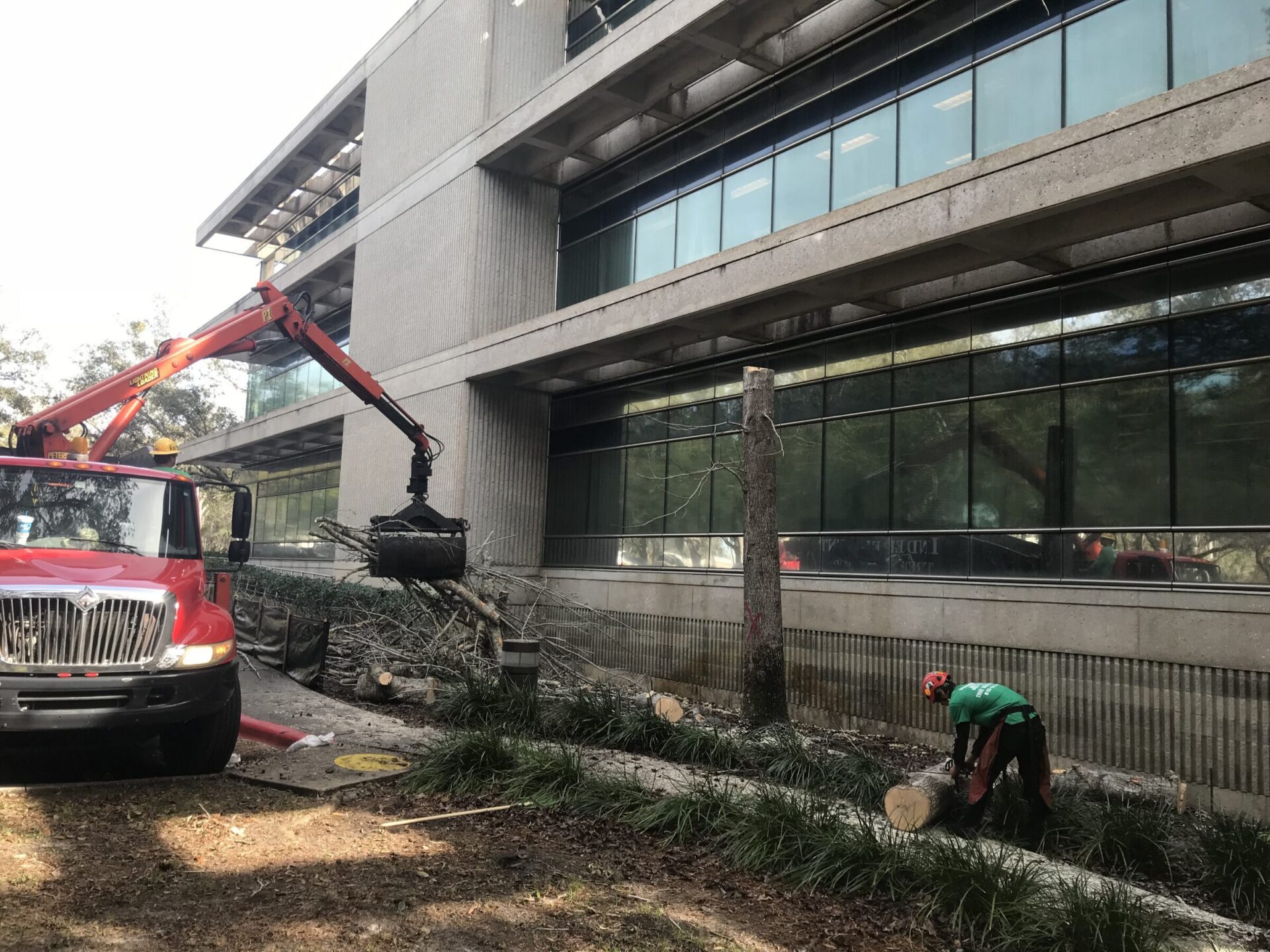
A ISA certified arborist begins every assessment with a close look at the tree’s structural stability. This safety-first approach helps you understand whether pruning could solve your problem or if removal is the most responsible choice. It also ensures tree removal safety from the start.
Here’s what your arborist evaluates first:
1. Tree Health
• Presence of trunk decay
• Root issues
• Fungal growth
• Cracking or splitting
• Lean direction and severity
When the structure becomes unpredictable, removal becomes the safer option.
2. Surrounding Hazards
• Distance to the home
• Overhang above patios, rooflines, and driveways
• Proximity to sheds, play areas, and outdoor equipment
• Wind exposure patterns
This protects you from common tree removal risks.
3. Utility Clearance
If your tree sits near electrical lines, tree removal safety requires strict distances. You cannot be within ten feet of a live power line. A trained arborist arranges coordination with the power company so the area is safe before work begins.
4. Yard Access
• Gate width
• Obstructions
• Slopes
• Soil conditions
• Parking space for trucks or cranes
You get a clear plan that considers the safest and least disruptive approach to your property.
The Professional Tree Removal Process: What To Expect
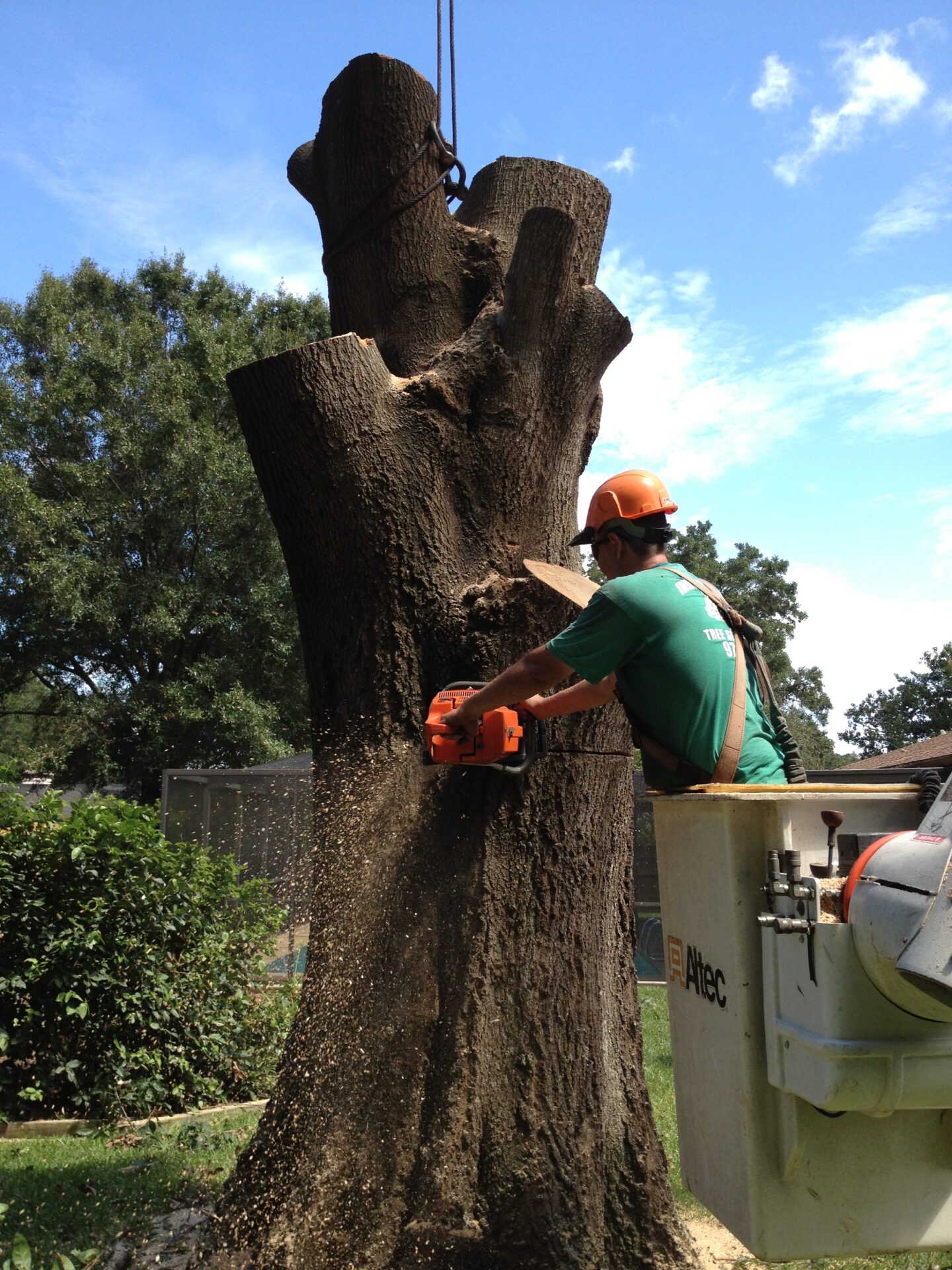
The professional tree removal process should feel organized, steady, and transparent. You deserve to know exactly what’s happening and when it will happen. This clarity supports both your comfort and overall tree removal safety.
Step 1: Pre-Removal Walkthrough
You and your arborist confirm:
• Project scale (what's needed/possible) and quote
• Equipment placement
• Landscape protection
• Expected timeline
• Communication plan
You get all the information upfront without pushy sales tactics.
Step 2: Site Preparation
The crew sets up:
• Safety zones
• Rigging anchors
• Ground protection mats
• Drop zones for debris
This reduces impact on your lawn and structures.
Step 3: Controlled Limb Removal
Trained climbers or lift operators remove branches piece by piece. Rope-based rigging prevents limbs from dropping in an unpredictable way. These professionals know the risks each limb represents and how to control each limb's safe journey to the ground, protecting your home.
Step 4: Trunk Dismantling
The trunk comes down in sections, often guided by rigging or cranes. Again, each cut is made with creating a predictable journey to the ground that avoids damaging your property.
Step 5: Cleanup And Removal
Branches and trunk chunks are chipped, loaded, and hauled away, leaving your property as clean as possible. No outside contractors step onto your property. Every step stays with the same dependable crew.
Throughout this process, your arborist explains what to expect during tree removal so you stay informed the whole time.
Tree Removal Risks Near Roofs, Fences, And Utility Structures

Homes and yards create tight working conditions. That’s why it's especially important to practice tree removal safety in residential environments.
Here are the most common challenges your arborist prepares for:
Risk 1: Roof Damage
Overhanging limbs can fall the wrong way if cut without proper rigging. Your arborist predicts their weight and direction to keep your roof protected.
Risk 2: Fence And Structure Contact
Fences, sheds, pergolas, and other outdoor structures may sit directly in the path of many tree branches. Professional crews use controlled lowering with rigging and cranes to protect such structures from damage.
Risk 3: Utility Lines
This is one of the most serious tree removal risks. Cutting corners is not optional when a mistake could prove deadly or damage crucial utility structures.
Remember:
• You must stay ten feet away from a power line.
• Trained crews coordinate with local utility providers.
• An arborist ensures the power company schedules any needed line adjustments.
This is why you need certified ISA arborists. There are many tree-removal risks and each one needs to be handled by experts to avoid potentially fatal incidents or damage to property or infrastructure.
How Industry-Leading Equipment Helps Protect Your Property
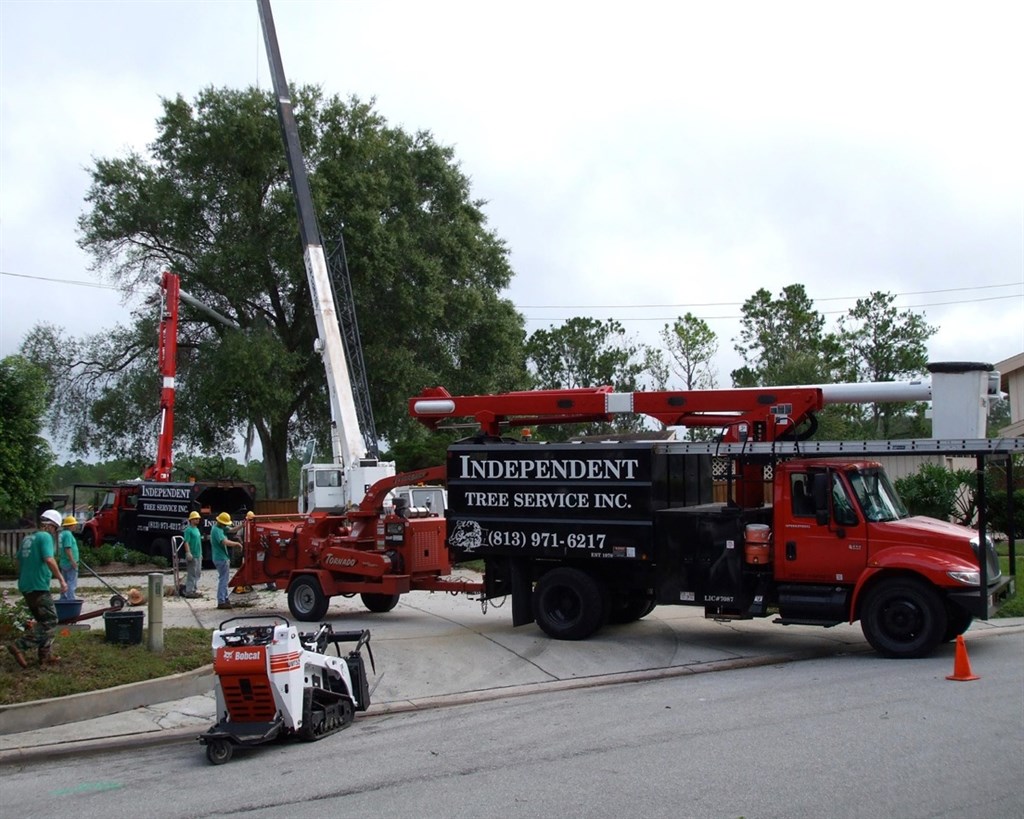
You get better results when your crew arrives with modern, well-maintained equipment. It might seem like a lot but every piece of equipment is there for tree removal safety, efficiency, and reduced impact on your yard.
Tools That Support Safe Work
• Bucket trucks for improved positioning and all terrain turf friendly man lifts
• Cranes for controlled trunk removal
• Rigging systems that distribute weight
• Grapple trucks to aid efficient debris hauling
• Compact stump grinders for tight spaces
Why This Matters For Your Home
• Less strain on your soil
• Fewer ruts or divots
• Reduced time on your property
• Better control over each cut
• Lower chance of accidental damage and maximize efficiences to lessen worker fatigue
Since your crew is fully in-house, you get accountability at every stage. No unknown contractors, no unverified equipment.
Stump Grinding Safety: What You Can Expect After The Tree Is Gone
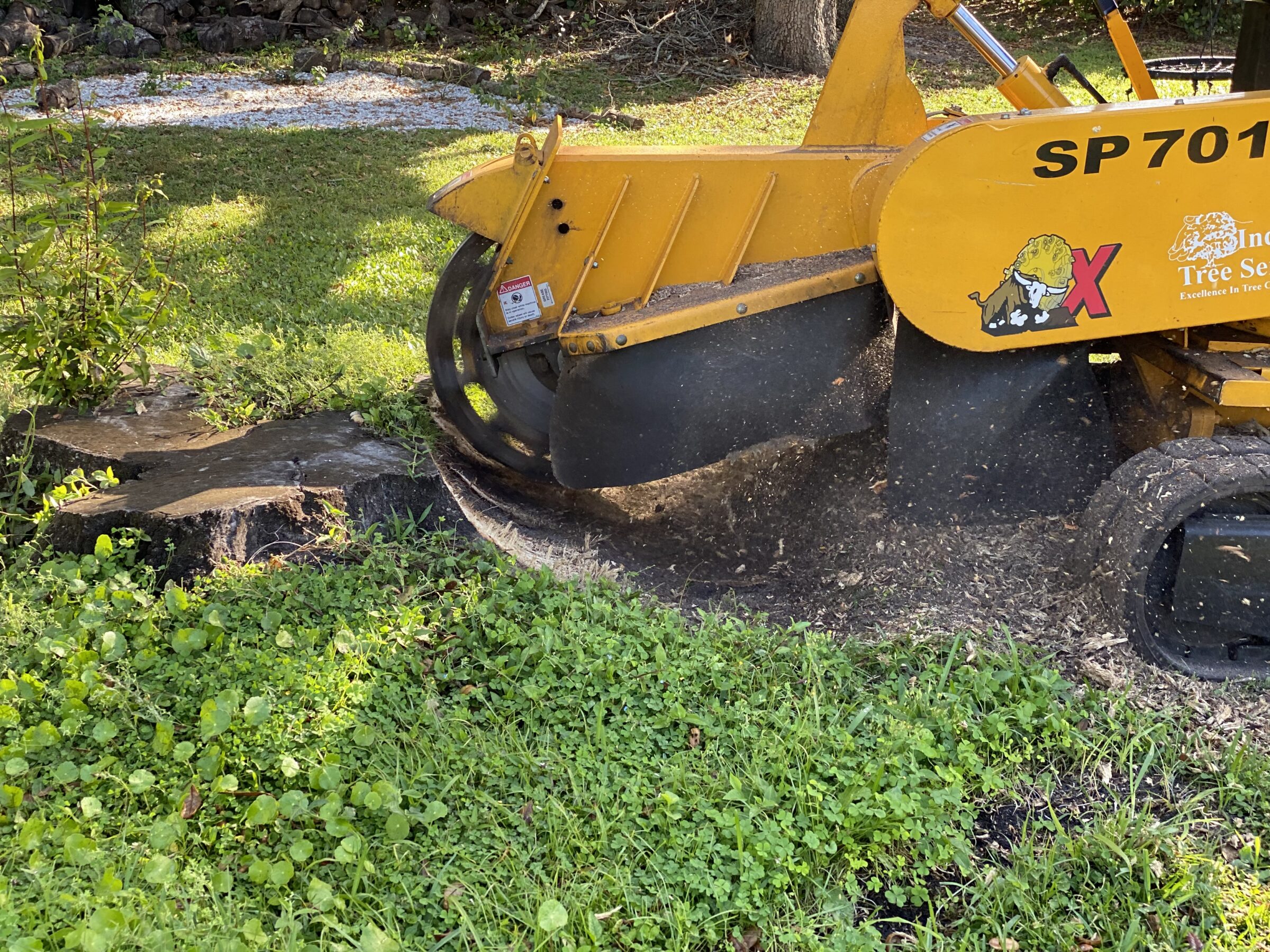
After removing the trunk and branches, the remaining stump becomes the next safety concern. That’s where stump grinding safety practices comes into play.
Here’s what you can expect:
The Safety Steps
- The crew idenitifies all known underground utilities.
- Barriers or cones define a safe perimeter.
- The machine operator keeps the grinder level and steady.
- Stump grinding wood chips are contained as much as possible.
This supports tree removal safety even after the main trunk is gone.
What Happens To The Stump
• The stump is ground several inches below grade.
• Chips remain for use as mulch or can be hauled away.
• The area becomes ready for new sod, new planting, or left natural.
Your arborist explains the condition of the remaining roots so you understand long-term expectations.
Palm Tree Removal Safety In Warm-Climate Landscapes
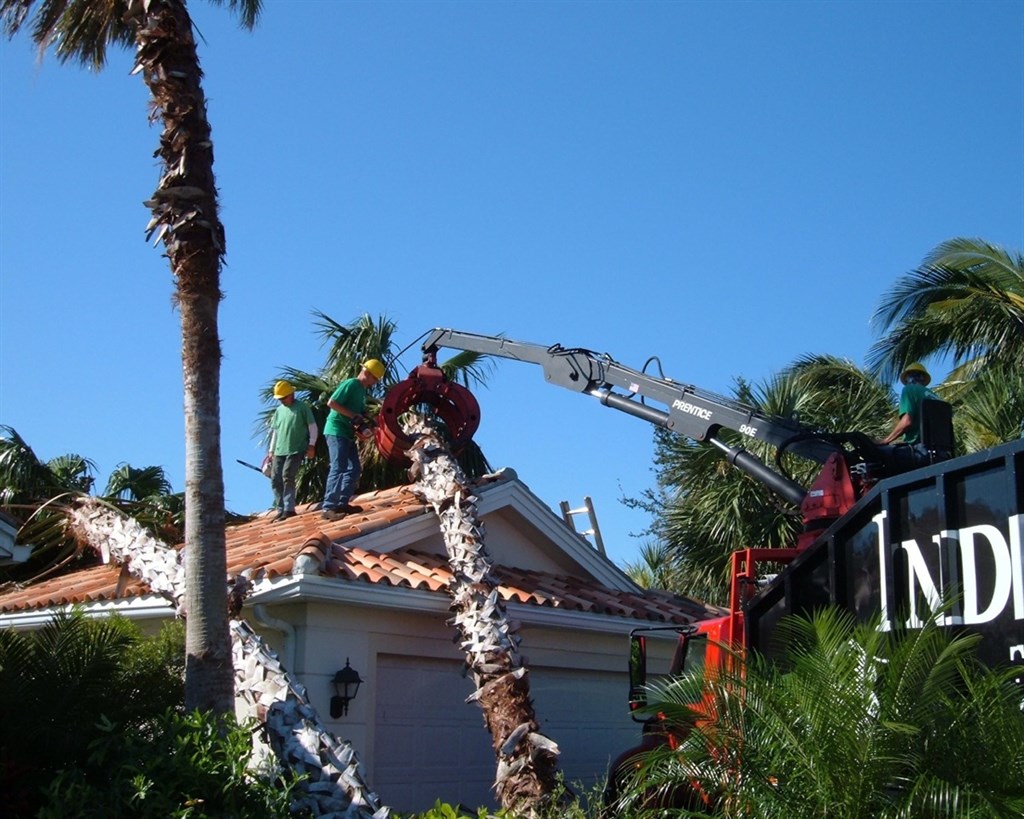
Palms come with their own hazards. Their height, weight, and internal structure require specialized care to ensure palm tree removal safety for your property.
What Your Arborist Checks
• Insect or fungal problems
• Root ball health (how resistant the roots are to toppling)
• Wind load
• Frond distribution
• Stability of the trunk
One of the most important issues is Ganoderma. If your palm has this disease, the trunk can lose structural strength and fall without warning. Your arborist inspects the base for fungal components before planning a safe removal approach.
How This Supports Palm Tree Removal Safety
Careful evaluation prevents accidents caused by internal decay or unexpected collapse. You get a removal plan that respects the unique challenges palm trees present.
How To Prepare Your Yard For A Safer Removal Day
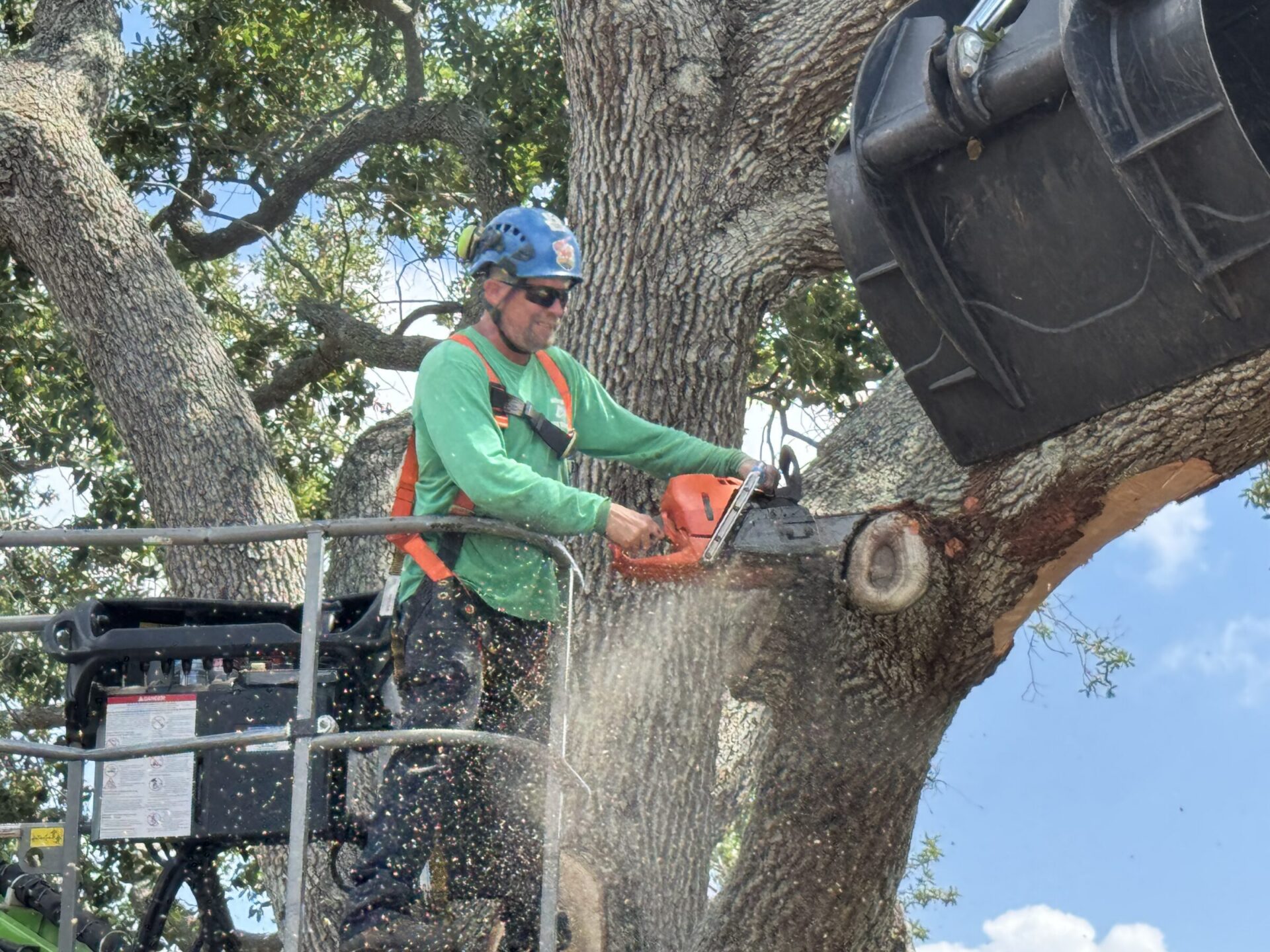
You can support tree removal safety with a few simple steps before your crew arrives.
Quick Prep List
• Move cars out of the driveway
• Clear patios, walkways, and furniture
• Keep pets indoors
• Unlock gates
• Mark sprinkler heads if possible
• Identify fragile landscape features
Simple Communication Tips
• Confirm arrival time the day before
• Ask where vehicles will park if you need to plan accommodations (e.g., keeping parking spaces free)
• Review your removal plan one last time so you know what to expect
These small actions help your arborist get straight to work while keeping your home as protected as possible.
A Safe, Professional Way To Protect Your Property

Tree removal doesn’t need to feel confusing or stressful. When you rely on a certified ISA arborist, a trained in-house crew, and a company committed to science-based guidance, the process becomes manageable and predictable. You understand the condition of your tree, the safest way to address it, and the steps taken to protect your home from start to finish.
If you’re ready to review your options, Request A Quote with our team at Independent Tree Service or contact us today and start with a conversation that respects your timeline and comfort level.
Summary
This blog covered the importance of tree removal safety, from the initial inspection by a certified ISA arborist to the equipment, planning, and cleanup involved. You learned about why hire a certified ISA arborist, the professional tree removal process, tree removal risks, palm tree removal safety, stump grinding safety, and what to expect during tree removal. With science-based guidance and an in-house crew, you get dependable results that protect your home and yard.
Tags: