
When is the Best Time to Prune Trees?
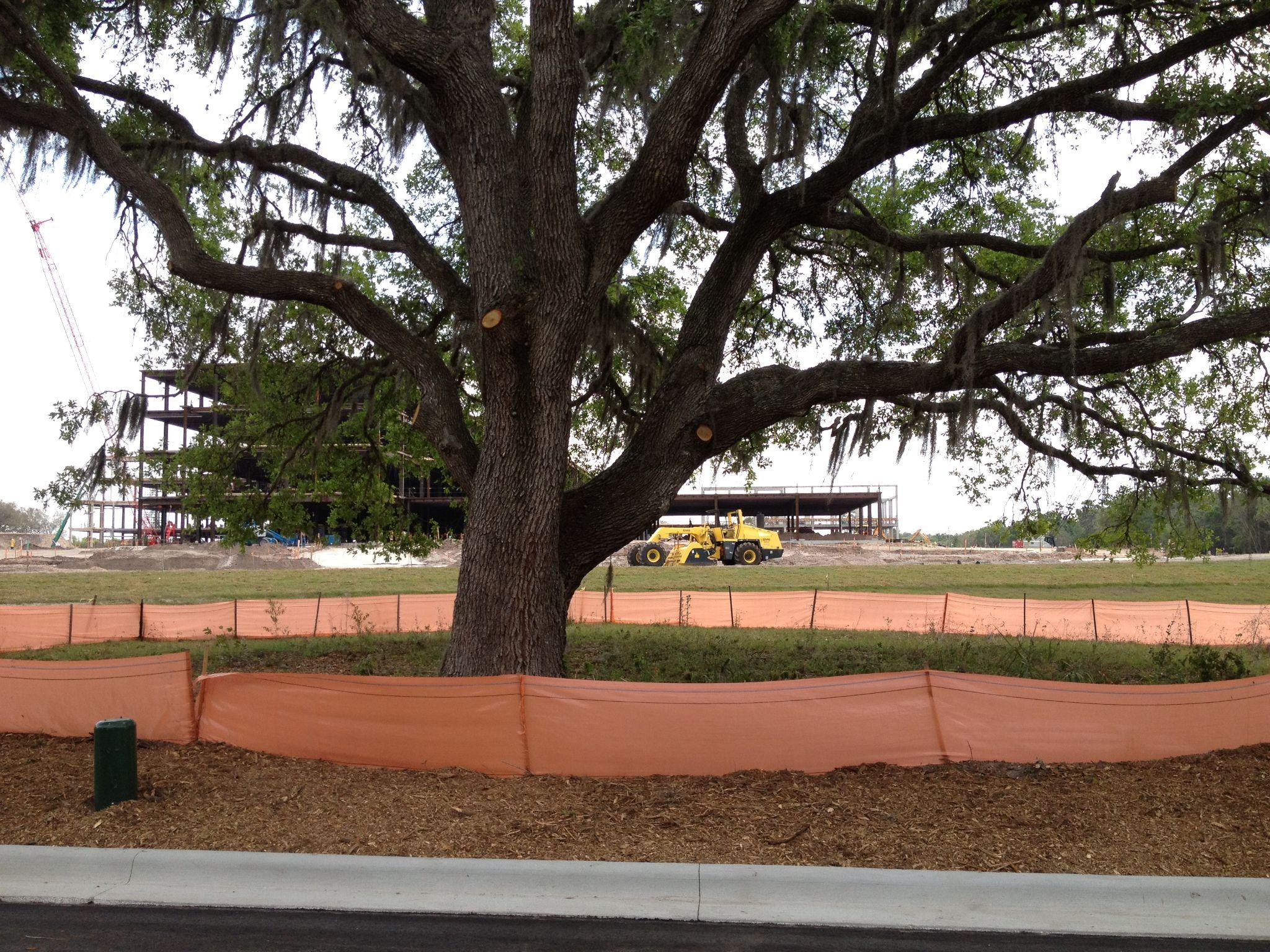
You may look at a tree in your yard and wonder when the best time to prune trees really is. It’s a common question for homeowners seeking healthy growth, improved structure, and a safe property. The challenge comes when the timing feels uncertain. Should you trim sooner? Should you wait? What happens if you prune at the wrong time?
When timing is unclear, it’s easy to delay. But waiting too long can allow weak limbs to worsen, reduce stability, or leave your tree struggling during storms. On the other hand, pruning too early or during a stressful season can interrupt healthy growth.
That’s why understanding the best time to prune trees matters. When you match pruning to the tree’s natural cycles, you support strong healing, stable growth, and long-term health. A thoughtful approach gives you confidence in the decisions you make without guesswork or unnecessary stress on your trees.
Why Timing Matters For Tree Pruning
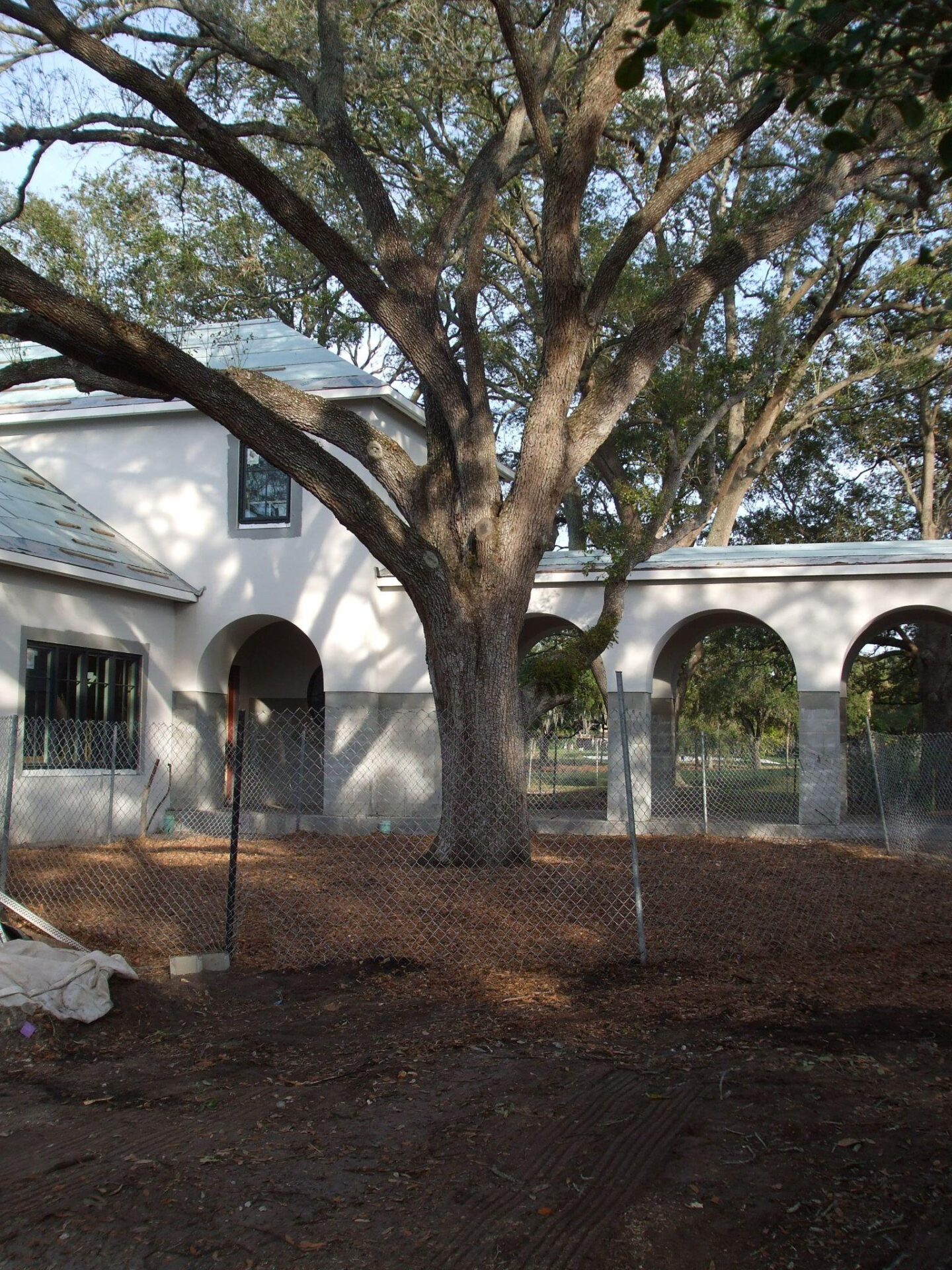
Choosing the best time to prune trees shapes how your landscape develops over many years. Proper timing supports strong healing, controlled growth, and safer branch structure. When you prune at the right time, you help the tree conserve energy, grow evenly, and recover quickly.
Tree biology changes throughout the year. This is evident in leaf growth, sap flow, and branch development. When you prune during stable periods, the cuts seal more reliably. Your tree uses stored energy rather than active growth energy. That means it can focus on healing instead of competing processes.
Pruning also helps you guide how the tree grows near your home. You reduce the chance of broken limbs during storms, improve air movement, and help manage shade. Choosing the best time to prune trees gives you cleaner cuts, healthier branch structure, and a tree that fits your property’s needs without unnecessary stress.
What Is the Best Time of Year to Prune Trees?
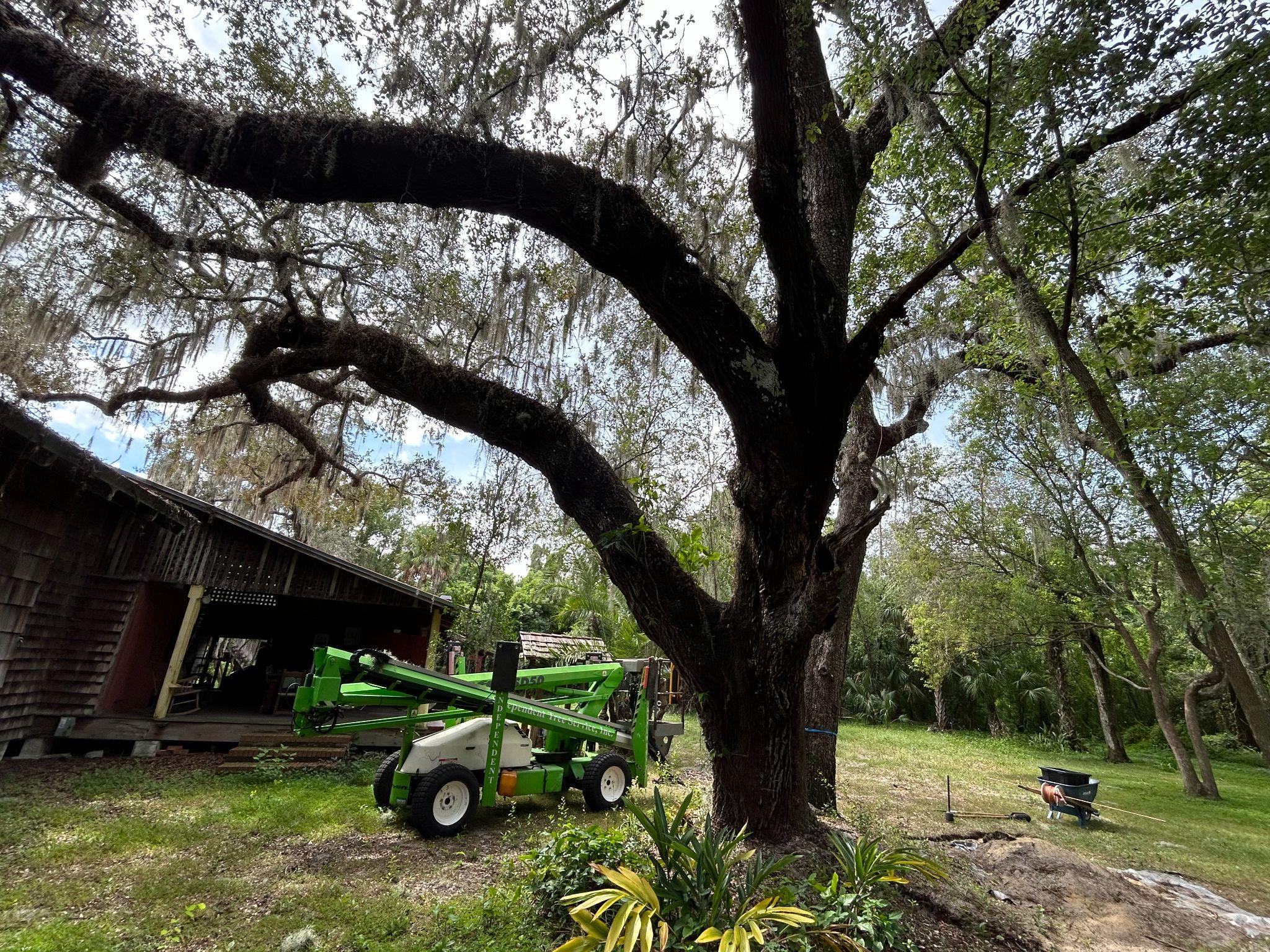
For most properties across the country, late winter is often considered the best time to prune trees. This timing works because the tree is dormant. Energy is stored in the roots and trunk, and branches are not actively producing new leaves. Cuts made during this period tend to heal well. You also get a better view of the tree’s structure because there are no leaves blocking your sightlines.
Using the best time to prune trees in late winter supports safe summer growth. Trees bounce back with strong, healthy shoots. You can also remove limbs that may fail during hurricane-season winds or heavy storms. For homeowners in Florida, the rules are more flexible. Because local trees experience a milder climate, your pruning window is wider. You can prune throughout the year without causing the same stress seen in colder regions.
Still, even in Florida, planning helps. You get better results when your pruning matches your long-term goals whether it’s improving shape, increasing clearance, or encouraging controlled leaf development.
Pruning Trees In Winter Vs. Summer

The best time to prune trees is often winter, but the choice depends on your objective. Pruning trees in winter leads to faster healing and less sap flow. Trees are not producing new growth during this season. Winter cuts stay clean, and the tree pushes out healthy new growth once temperatures warm up.
Pruning trees in summer offers different results. Summer pruning can slow certain types of vigorous growth. If a tree produces long, fast-growing shoots, selective summer pruning can help control size. But summer also brings heat, pests, and higher stress levels. That means heavy pruning should be avoided. Light pruning for safety or small corrections is usually fine.
Pruning trees in fall is less ideal in colder climates. Trees are preparing for dormancy, and cuts may not seal well before temperatures drop. In Florida, fall pruning is still workable because the climate does not cause the same freeze-related stress. Fall pruning is also useful for homeowners who want proactive care. You can remove weak or heavy limbs before the windy season begins.
When you understand your reasons for pruning, you make better choices. The best time to prune trees changes depending on whether you want growth, shape, clearance, or safety.
When Not To Prune Trees?
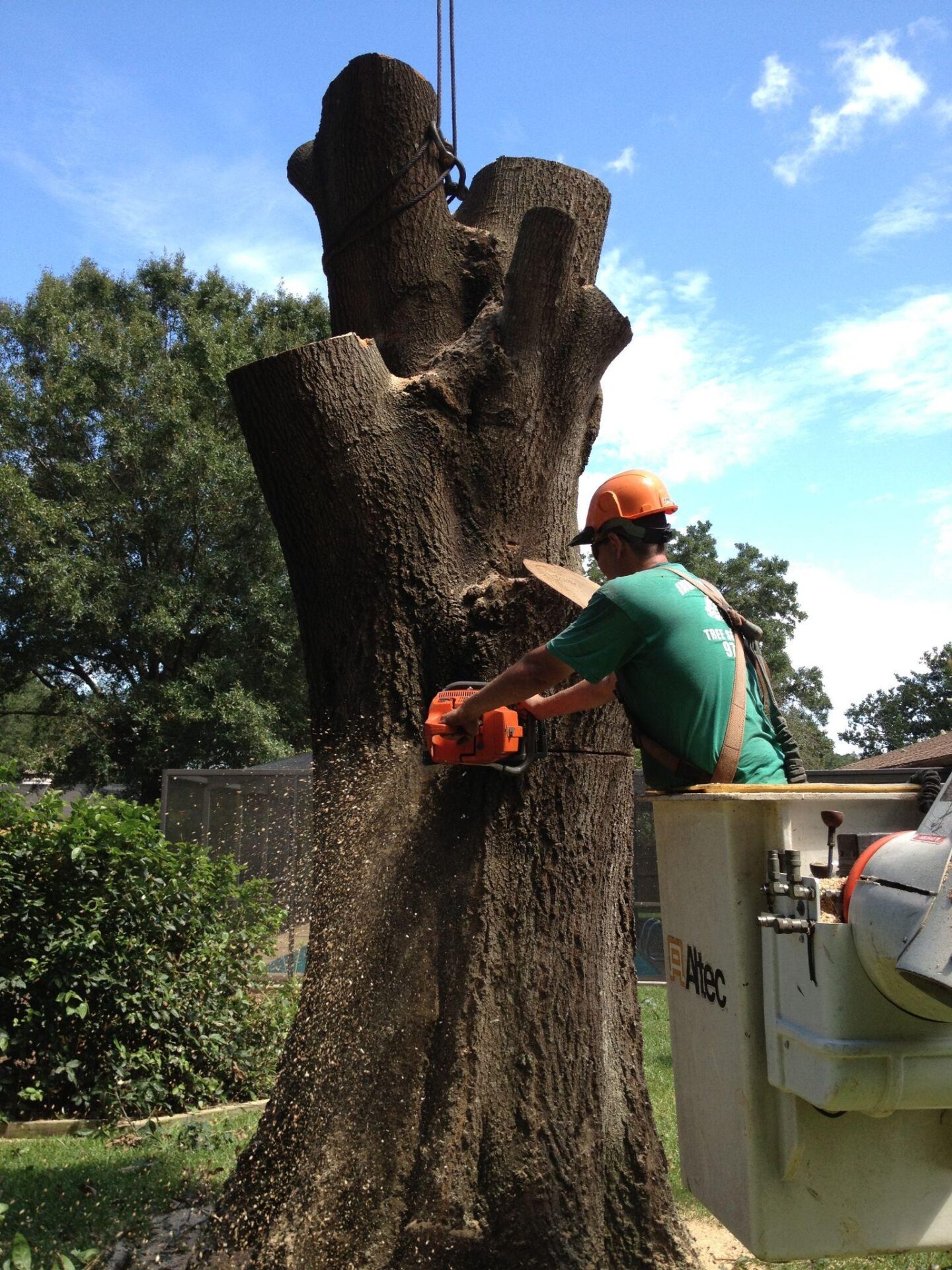
Even though the best time to prune trees is flexible in Florida, there are times when pruning should be avoided. Your tree’s condition tells you more than the calendar.
Avoid pruning when:
- The tree is showing signs of disease. Pruning spreads certain pathogens.
- The tree is stressed from drought. Cuts may not heal well.
- The tree is producing new spring growth. This pulls energy away from leaves the tree has already invested in.
In spring, leaves help store energy. When you remove branches during this stage, you waste the tree’s recent energy use. Because Florida’s warm weather encourages rapid growth, light spring pruning can be okay for small corrections, but it’s not ideal for heavy shaping.
Removing dead wood is the exception. Dead branches can be cut any time of year. It does not help or harm the tree, it simply improves safety.
When timing feels uncertain, returning to your objective helps. The best time to prune trees is always tied to what you want the tree to do next season or next year.
What Is the Best Time to Prune Different Tree Types?
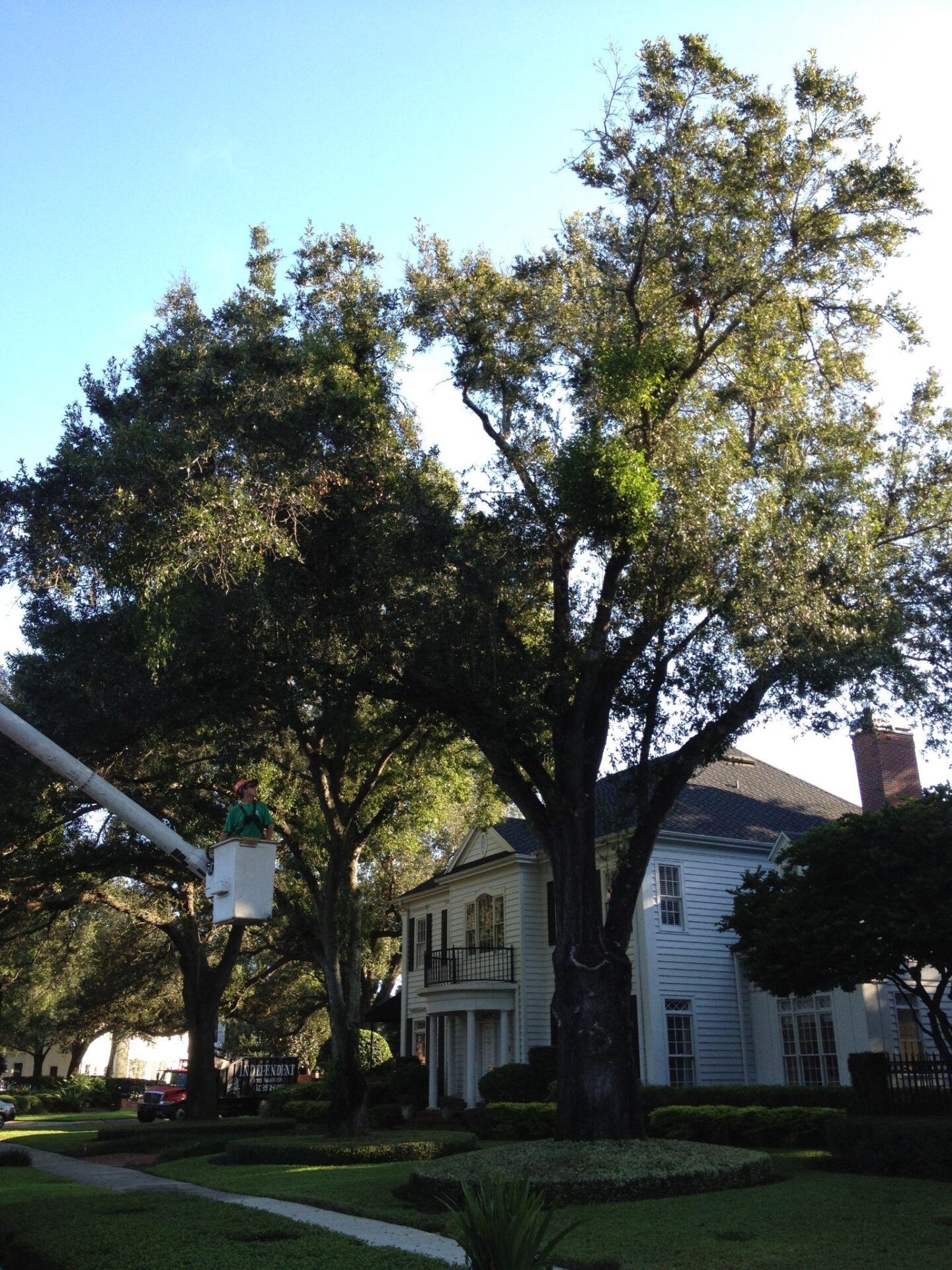
Different species respond better to specific pruning times. Although the best time to prune trees overall is late winter, some trees require more precise planning.
When To Prune Oak Trees
Homeowners often ask when to prune oak trees. Oaks benefit from pruning in late winter before new spring growth. This reduces exposure to pests. Oak trees in Florida are more flexible, but winter remains the safest season for larger cuts.
When To Prune Fruit Trees
Fruit trees have their own rhythm. Knowing when to prune fruit trees helps steady production. Most fruit trees prefer pruning in late winter. This encourages healthy spring budding and productive fruiting. Light summer touch-ups are fine, but heavier cuts belong in the dormant season.
Your property may include palms, maples, magnolias, or other common Florida varieties. Their timing varies, but the theme stays the same: match the pruning to your goals. The best time to prune trees is always the time that helps your tree grow, recover, and stay strong.
How Often Should You Prune Your Trees?
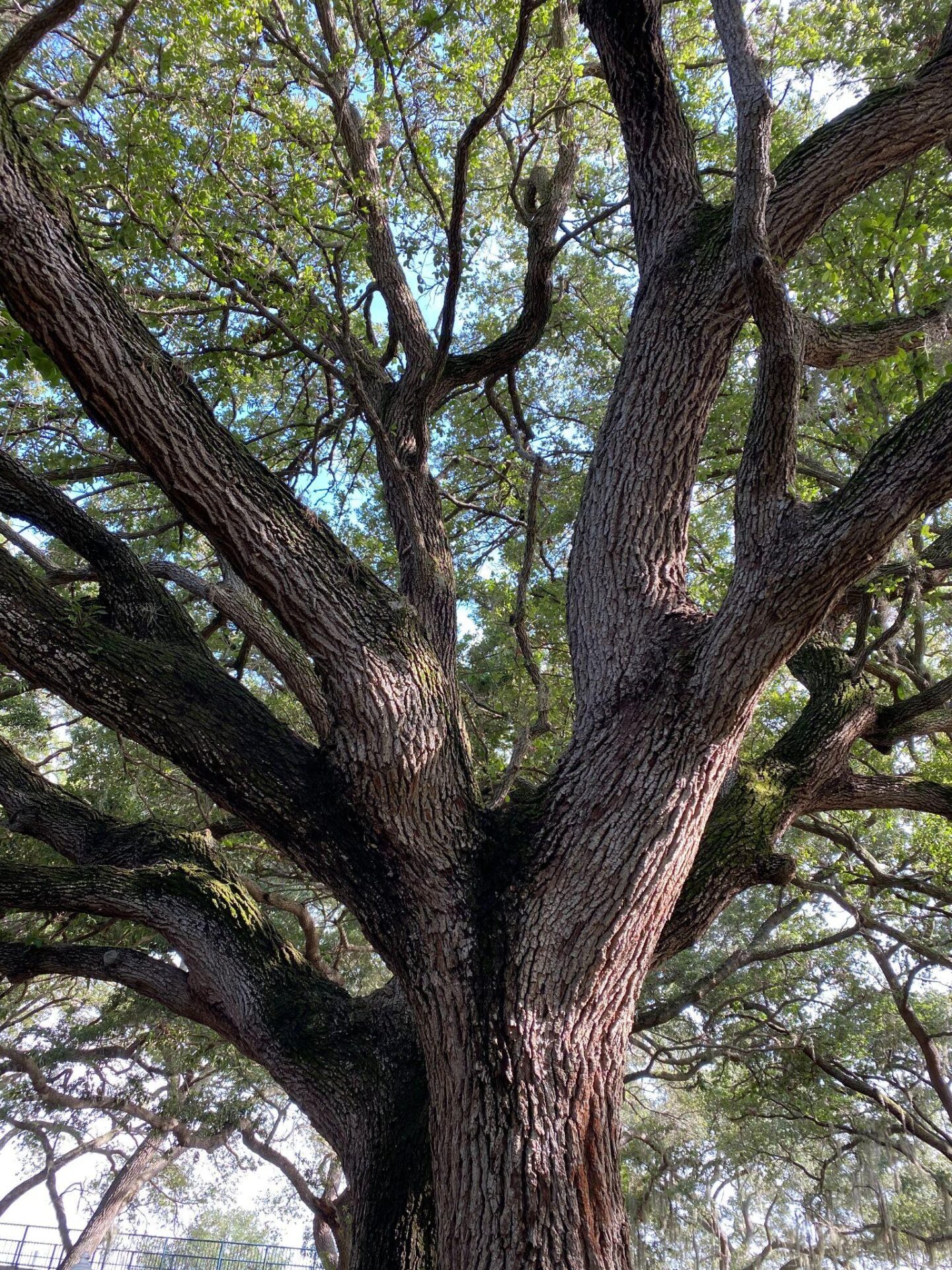
Knowing the best time to prune trees also helps you plan a maintenance schedule. Trees do not need heavy pruning every year. Instead, focus on smaller annual checks and periodic structural pruning.
A simple guideline:
- Annual inspection: Look for weak limbs, crossing branches, or clearance issues.
- Light yearly pruning: Remove small, unwanted shoots or problem branches.
- Heavy pruning: Every few years, depending on species and growth rate.
Older trees may need less frequent work. Younger trees may need shaping to encourage strong structure early on. When your trees are assessed with industry-leading equipment and handled by trained professionals, the work stays safe, clean, and consistent. With no pressure sales and no outside contractors, you get care that fits your needs—not someone else’s agenda.
A steady schedule keeps your property safe and your landscape healthy for years to come.
A Smart Approach To Tree Care
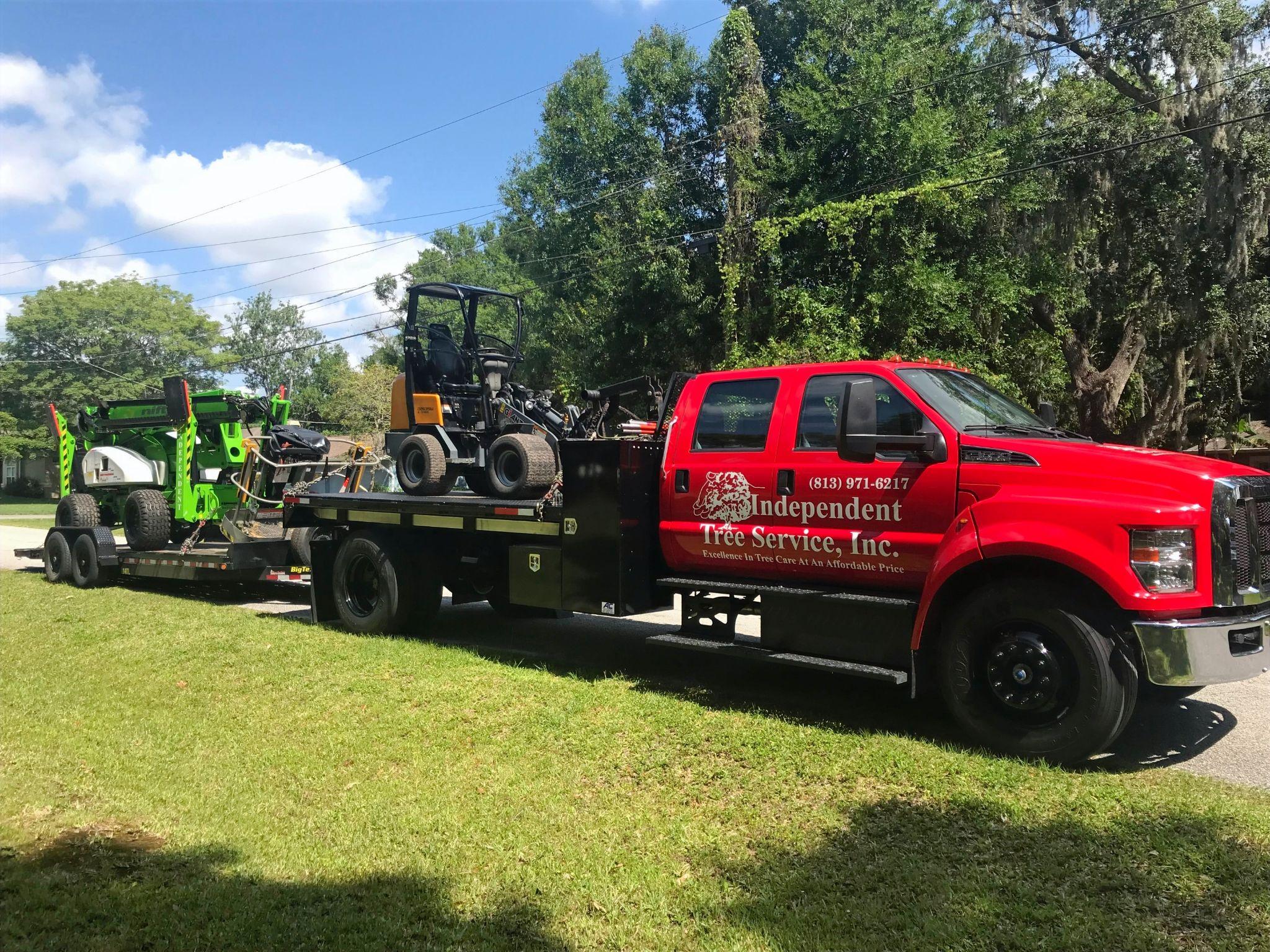
A smart approach to tree care starts with understanding how timing, climate, and long-term growth patterns influence the health of your landscape. When the best time to prune trees is matched to each tree’s natural cycles, the result is stronger structure, safer branches, and more predictable development year after year. Thoughtful timing also helps prevent unnecessary stress and reduces the chance of storm-related failures.
Independent Tree Service supports this type of science-based decision-making by providing guidance built on accurate information rather than pressure-driven recommendations. The focus is always on helping homeowners understand how pruning choices influence long-term health, stability, and safety. With no outside contractors involved and industry-leading equipment on every job, the service stays consistent, controlled, and aligned with proper tree-care standards.
This approach benefits homeowners who want confidence when shaping or maintaining their trees. By paying attention to seasonal patterns, branch structure, and the tree’s current condition, the right pruning plan becomes clearer. Over time, this leads to healthier growth, safer surroundings, and a landscape that remains easier to manage.
Tree care works best when the decisions are informed, steady, and timed to support the tree’s natural rhythm. Independent Tree Service provides the information homeowners need to make those choices with clarity and purpose.
Want to book a tree care service with us? Request a quote, and get expert tree care service.
Summary
Understanding the best time to prune trees helps you make informed choices that support healthy growth, consistent structure, and long-term safety around your home. Each season influences how a tree responds to pruning, and knowing how timing affects recovery can make your overall care plan far easier to manage. Homeowners also benefit from recognizing how climate, species, and tree age shape the decisions made throughout the year.
This guide explains how seasonal conditions influence pruning, when to avoid making cuts, how different species respond to timing, and why thoughtful planning keeps your landscape stable. It also highlights why certain trees benefit from strategic seasonal care, such as the best time to trim trees for steady, predictable growth.
By understanding these patterns, you gain clarity, reduce guesswork, and create a landscape that grows stronger over time. If you’d like support in evaluating your trees or planning your next pruning cycle, Independent Tree Service is ready to help.
Tags: